Now ask any Indian to open their kitchen cupboard, and you will be greeted by almost the same brand names. In the case of spices, the brand loyalty is more generation-specific than all other FMCG categories, as families often continue to purchase the same brand that their mothers and grandmothers had grown up with, since the taste of home is a matter of fact and not opinion.
But behind those well-known packets, there’s a very massive industry. India is the largest producer, consumer, and exporter of spices in the world, with more than 75 varieties grown in the various climate zones of the country and over 70% of the world’s export of spices coming from the country.
The total value of the domestic-branded spices market was valued at approximately ₹94,927 crore in 2025 and is expected to expand at a CAGR of approximately 9.2% through 2035, although it is estimated to be a relatively small share, accounting for 30-35% of the total market. the remaining share is still sold loose through traditional local channels.
Here are the top 10 spice brands in India—when they started, who owns them, and what they offer.
How We Ranked These Brands
This list is based on a combination of brand legacy and founding history, parent company scale and revenue, national or strong regional market presence, and product range—drawing on company disclosures, industry research reports, and credible business reporting.
Top 10 Spice Brands in India: Quick Comparison
| Rank | Brand | Owner | Founded | HQ | Core Products |
| 1 | Everest | Shah family | 1967 | Mumbai | 45+ pure spices and blended masalas |
| 2 | MDH | Gulati family | 1919 | Delhi | Pure spices, garam masala, chaat masala |
| 3 | Catch | DS Group | 1987 (spices) | Noida | Spices, sprinklers, seasonings, salt |
| 4 | Aashirvaad Spices | ITC Limited | Spices launched in 2019 | Kolkata | Whole and blended spices, sambar/garam masala |
| 5 | Tata Sampann | Tata Consumer Products | Sampann launched in 2016 | Mumbai | Spices, pulses, besan, ready-to-cook mixes |
| 6 | Badshah Masala | Founding family | 1958 | Mumbai | Garam masala, biryani masala, chaat masala |
| 7 | Patanjali Spices | Patanjali Ayurved Limited | 2006 | Haridwar | Organic and herbal spice blends |
| 8 | MTR Foods | Orkla India | 1924 | Bengaluru | South Indian masalas, ready-mixes, pickles |
| 9 | Eastern Condiments | Orkla India | 1983 | Kochi | South Indian spices, curry powders, pickles |
| 10 | Aachi Masala | Aachi Group | 1995 | Chennai | South Indian blended masalas, instant mixes |
Everest—India’s Largest Spice Brand
- Founded: 1967
- Owner: Shah Family
- Headquarters: Mumbai, Maharashtra
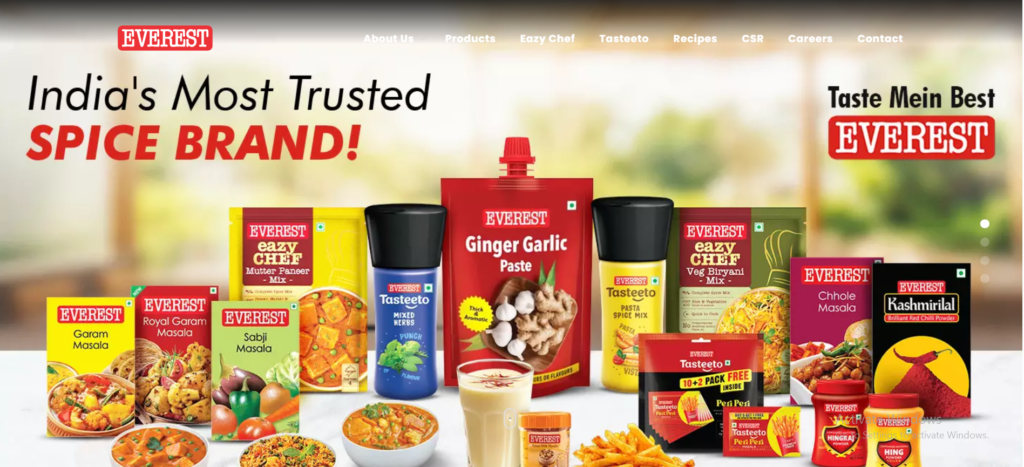
Vadilal Bhai Shah, a founder of “Everest Food Products,” started his spice shop in Mumbai with a 200-square-foot business premises. For years, Shah had worked in his father’s dry-fruit shop, where he noticed that the same foods would be prepared differently in different parts of the country with different spice mixes, which led him to his first appreciation of the differences in the spices used in various parts of the country.
His sons, Sanjeev and Rajiv Shah, went on to make Everest a world-renowned spice brand, and the company exported to over 58 countries.
Everest has been named a Superbrand eight times in 2003, 2005, 2009, 2013, 2017, 2021, 2024, and 2026 and is India’s largest spice company with an operating revenue of around ₹2500 crore for FY2023.
What they do: Produce and sell spices, blended masalas, seasonings, and cooking pastes, both nationally and internationally.
Products: turmeric powder, red chili powder, coriander powder, garam masala, Kitchen King, pav bhaji masala, meat masala, and Tasteeto Ginger-Garlic Paste.
MDH—The Oldest Iconic Name
- Founded: 1919
- Owner: Gulati Family
- Headquarters: New Delhi
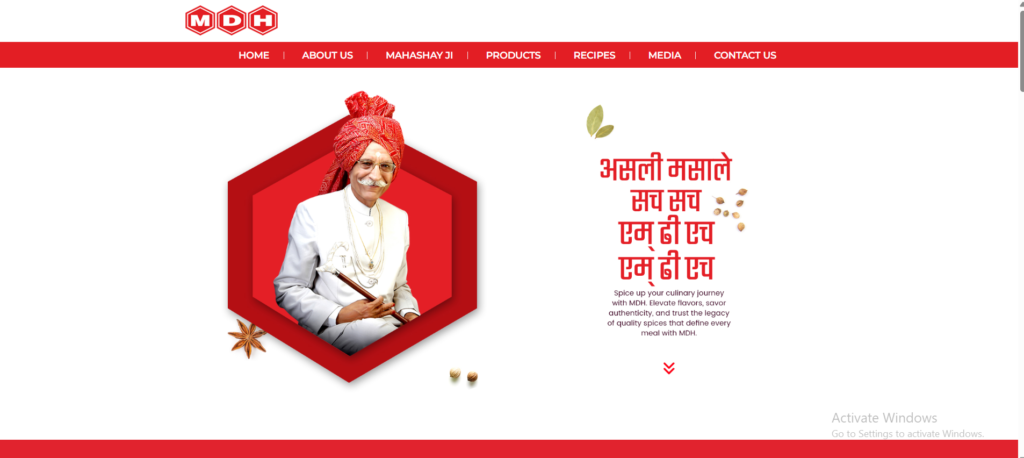
Mahashayan Di Hatti (MDH) is the oldest spice company on this list, started in pre-Partition Sialkot in 1919 by Mahashay Chunni Lal Gulati. After Partition, after his son Mahashay Dharampal Gulati moved to Delhi, he began his work afresh with a factory at Kirti Nagar in 1959.
Gulati personally sponsored MDH’s advertisements in the years, under the tagline “Asli Masale Sach Sach, MDH MDH.” In December 2020, he passed away at the age of 98.
MDH is an average player, accounting for 12% of the branded spices market share, and is currently undergoing the process of automation in grinding and nitrogen-flushed packing for quality maintenance and also to meet export requirements.
What they do: Manufacture and market various spices and mixes of spices on ground and export them to some international markets.
Products: Deggi Mirch, Garam Masala, Kitchen King, Chana Masala, Chaat Masala, Dal Makhani Masala, Rajmah Masala.
Catch—The Innovation Leader
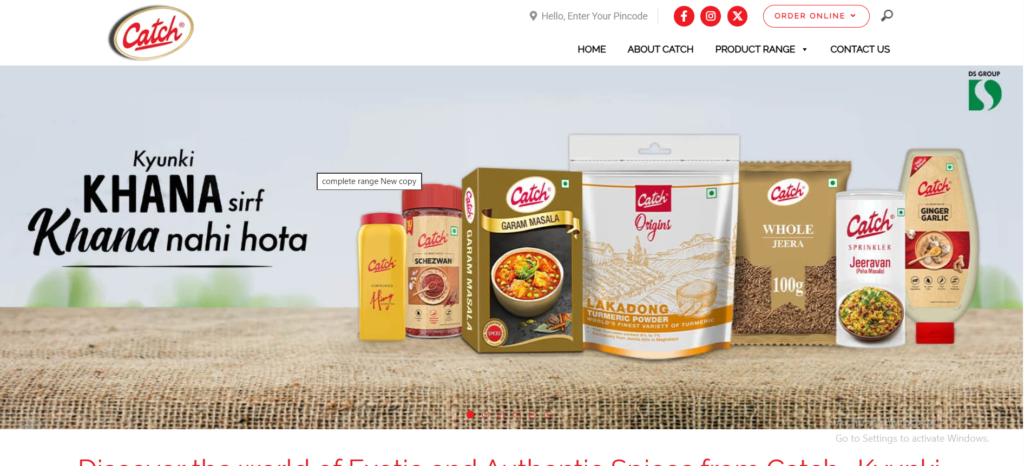
- Founded: 1987 (Spices Division)
- Owner: DS Group (Dharampal Satyapal Group)
- Headquarters: Noida, Uttar Pradesh
Catch is a part of the Dharampal Satyapal Group of companies, which was started as a Perfumery business at Chandni Chowk, Delhi, in the year 1929. In 1987, the group introduced packaged foods with the launch of Catch Pepper and Salt that used its now-historical table top rotary sprinkler, which truly revolutionised the way that everyday spices were used in Indian homes.
Today, DS Group says that in its diversified portfolio, it has a turnover of more than ₹6500 crore. The group in March 2026 announced its plans for moving towards tier 2 and tier 3 markets and doubling the sales of Catch.
What they do: Manufactures packaged spices, seasonings, sprinklers, and table salt for retail and food-service customers.
Products: Pure Spices, Garam Masala, Sprinklers, Table Salt, Ginger-Garlic Paste, Seasonings.
Aashirvaad Spices—ITC’s Entry into the Category
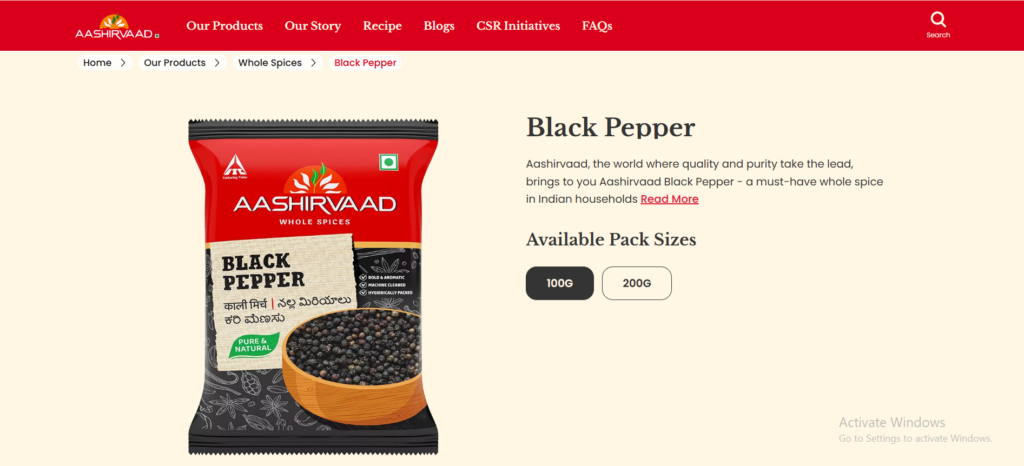
- Founded: 2019 (Spices)
- Owner: ITC Limited
- Headquarters: Kolkata, West Bengal
ITC’s business is quite diverse and is one of the most diversified publicly listed conglomerates, with gross revenue in the range of ₹75,000 crore for FY 24-25.
It started its spice business with the well-established Aashirvaad brand name to utilise the wide network of the ITC. ITC also has a big presence in East India, with a major presence in the premium and organic segment, Sunrise Pure, and recently acquired 24 Mantra Organic for ₹472.5 crore.
What they do: Offer packaged whole spices and blended masalas through ITC’s nationwide FMCG distribution network.
Products: Turmeric, Red Chilli Powder, Coriander Powder, Garam Masala, Sambar Masala, Regional Spice Blends.
Tata Sampann—Tata’s Foray into Branded Staples
- Founded: 2016
- Owner: Tata Consumer Products Limited
- Headquarters: Mumbai, Maharashtra
Founded with the sole purpose of bringing Tata quality assurance to the everyday kitchen item, Tata Sampann is a part of the iconic Tata group under the consumer wing of the group and is categorised in the FMCG division.
It’s positioned for high-end urban homes where the brand name is a reliable and transparent identity with which Tata can resonate. The brand is now known in the modern trade and is on the quick commerce apps such as Blinkit, Zepto and Swiggy Instamart.
What they do: Manufacture premium spices, pulses, flours, and ready-to-cook food products under the Tata brand.
Products: Turmeric, Chilli Powder, Coriander Powder, Garam Masala, Pulses, Besan, Spice Mixes.
Badshah Masala—The Value-for-Money Favourite
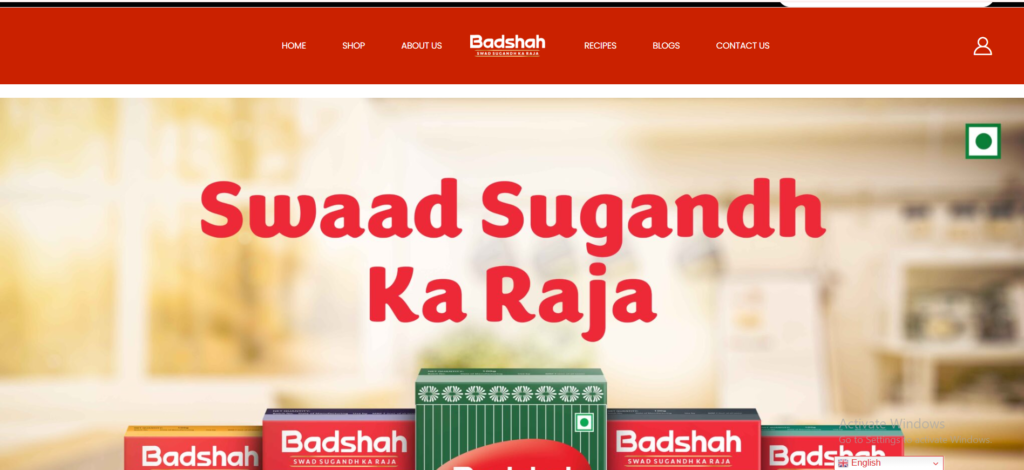
- Founded: 1958
- Owner: Badshah Masala Private Limited (Founding Family)
- Headquarters: Mumbai, Maharashtra
Badshah Masala has made this one promise: the bold and authentic taste at an affordable price. Its blends reflect the fiery and tangy flavors of the most popular dishes found in Maharashtra, such as pav bhaji, chaat, and biryani, which are all a part of the rich street food culture that one finds in Mumbai.
That’s the taste and price that have enabled it to hold its own against much bigger brands across the country. Presently, the distribution is strong across western and northern regions of India and has witnessed the presence of quick commerce.
What they do: Produce affordable blended masalas and spice powders with a strong presence across western and northern India.
Products: Garam Masala, Pav Bhaji Masala, Chaat Masala, Chole Masala, Biryani Masala, Chana Masala
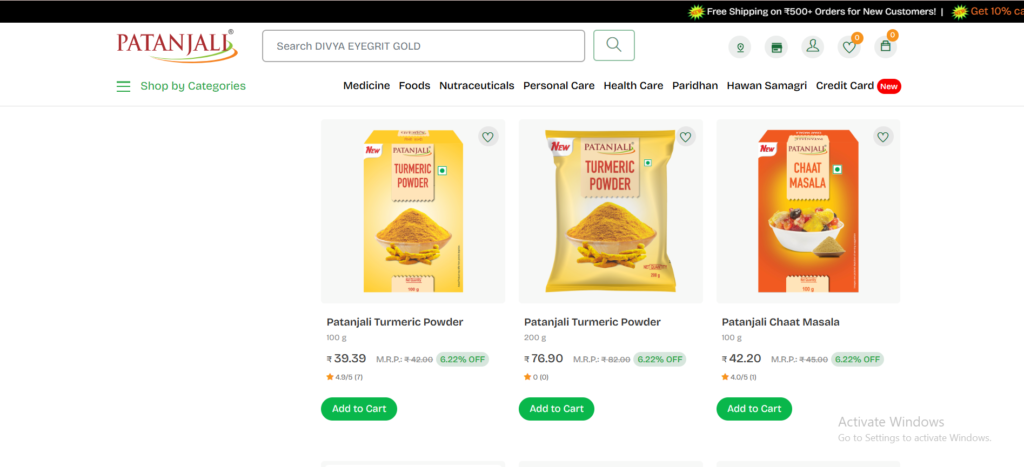
Patanjali Spices—The Herbal, Health-Focused Challenger
- Founded: 2006
- Owner: Patanjali Ayurved Limited
- Headquarters: Haridwar, Uttarakhand
Patanjali, co-founded by Baba Ramdev and Acharya Balkrishna, took Ayurvedic medicine from packaged spices by emphasising its purity, natural sourcing, and the absence of additives.
This new entrant spurred the legacy brands to come up with clean label and organic products, fundamentally changing the way the brands communicate to health-conscious customers. The distribution system of the brand surpasses 25,000 retail outlets, Patanjali Megastores and online.
What they do: Manufacture Ayurvedic-inspired packaged spices, herbal products, and everyday food items.
Products: Turmeric, Chilli Powder, Coriander Powder, Garam Masala, Organic Spice Blends.
MTR Foods—The South Indian Staple
- Founded: 1924
- Owner: Orkla India
- Headquarters: Bengaluru, Karnataka
MTR started its journey in 1924 as Mavalli Tiffin Room in Bengaluru, founded by the Maiya family. It created rava idli in 1939 to replace rice when there was a scarcity of rice during the war. In 1975, it was forced into packaged foods by price controls during the emergency and in 1995, it became a spice item.
Today, MTR is part of Orkla India (which consists of Eastern Condiments) and has a combined turnover of more than ₹2400 crore.
What they do: Produce South Indian spice blends, ready-to-cook foods, breakfast mixes, and packaged food products.
Products: Sambar Powder, Rasam Powder, Bisibelebath Mix, Turmeric, Chilli Powder, Pickles, Instant Mixes.
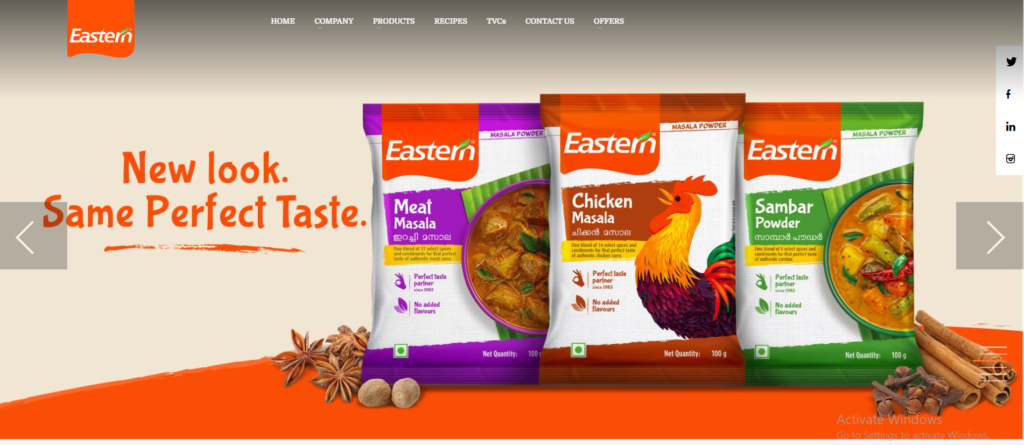
Eastern Condiments—Kerala’s Spice Pioneer
- Founded: 1983
- Owner: Orkla India
- Headquarters: Kochi, Kerala
Eastern Condiments was one of the first organised brands that introduced spices to Indian households in packaged and branded form, when most of the spices were sold loose and unbranded.
It has a solid base in the spice industry in Kerala and has achieved good household penetration in Kerala and Tamil Nadu. Eastern and MTR accounted for over 80% of Orkla India’s total revenue when Orkla ASA acquired the two from MTR in 2020, and the Meeran family owns a stake of 9.99%.
What they do: Manufacture South Indian spice blends, curry powders, pickles, and packaged food products.
Products: Curry Powder, Fish Masala, Chicken Masala, Sambar Powder, Rasam Powder, Pickles.
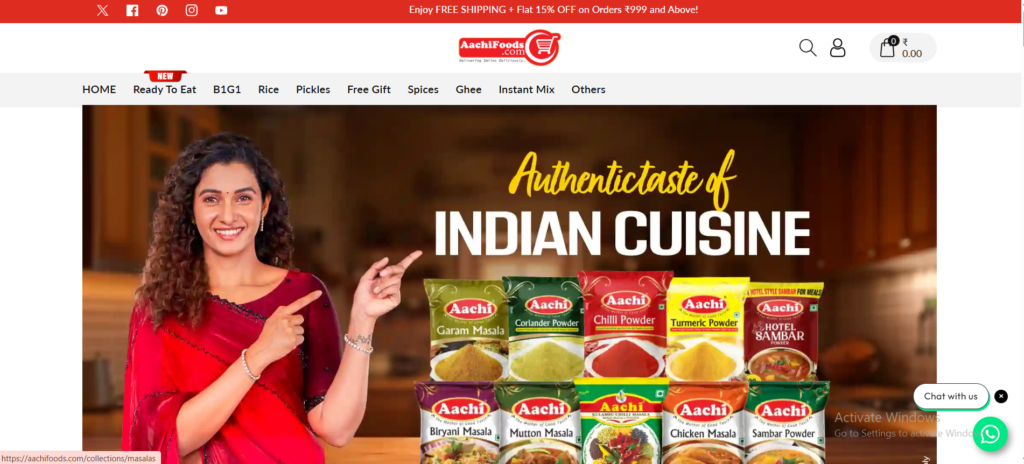
Aachi Masala—Tamil Nadu’s Household Name
- Founded: 1995
- Owner: Aachi Group
- Headquarters: Chennai, Tamil Nadu
In 1995, A.D. Padmasingh Isaac began Aachi, a masala store which grew to become one of the most widely known and recognisable food companies in South India. Aachi became popular due to its authentic blends of South Indian cuisine that are prepared according to the local recipes.
It gradually emerged as one of the best brands of packaged food products in South India over the years. The operating revenue of the company has crossed ₹1600 crore mark in FY23, and it is one of the leading spice companies in India.
The brand boasts a strong footprint in the states of Tamil Nadu and Andhra Pradesh and neighbouring states and now has started to make its way into cloud kitchens and QSRs.
What they do: Produce South Indian spice blends, instant food mixes, pickles, and traditional packaged foods.
Products: Biryani Masala, Chicken Masala, Fish Curry Masala, Sambar Powder, Rasam Powder, Instant Mixes.
Market Trends Shaping India’s Spice Industry in 2026
- Branded packaging is catching up: Consumers are now moving away from their traditional habit of buying unbranded loose spices to purchasing packaged spice products that are hygienic and safe, due to health consciousness and adulteration concerns.
- Better technology, better flavor: Volatiles are better preserved when using better technology, e.g., cryogenic or low-temperature grinding (LTG), than with traditional grinding technology, and nitrogen-flushed packing extends shelf life.
- Exports continue to be a significant driver of growth: Exports in totality are estimated at USD 4.72 billion and exported to 180+ countries in FY 2024-25 of 1.80 million tonnes. The major crops for income are chili and cumin.
- The rate of regional consolidation is accelerating: National brands are gaining brand awareness, regional brands (Aachi, Eastern, MTR) are doing well in their own markets in South India, and the DS group is growing in tier-2 and tier-3 towns in the south.
- GI-tagged spices are becoming popular all over the world: The spices of Lakadong, Turmeric (Meghalaya), have a higher concentration of curcumin, and the crop is now receiving Geographical Indication certification and is gaining wide popularity internationally.
Market Size Snapshot
| Metric | Value |
| India’s spices market value (2025) | ~₹94,927 crore (estimates vary up to ₹2.2 lakh crore by methodology) |
| Projected CAGR (2026–2035) | ~9.2% |
| Organized/branded segment share | ~30–35% |
| India’s spice exports (FY 2024–25) | ~1.8 million tonnes, ~$4.72 billion |
| India’s share of global spice exports | 70%+ |
| Dominant spice form | Powder (~44–58%, depending on source) |

Note: Market figures vary across research firms depending on methodology and scope; figures above reflect a reasonable range from multiple industry reports.
Frequently Asked Questions
What is the No. 1 spice brand in India?
Everest is the biggest in terms of revenues, although MDH is perhaps the most recognizable name, having been around for over 100 years and having had a significant advertising campaign.
Which is the oldest spice brand in India?
MDH was established in 1919, MTR Foods in 1924 (originally a restaurant), and the DS Group in 1929 (parent of Catch).
Who owns MDH and Everest?
The Gulati family owns MDH, the Shah family owns Everest, and they are now run by Sanjeev and Rajiv Shah.
What are the best brands for South Indian cooking?
The most trusted brands for South Indian spice blends and regional masalas are MTR Foods, Eastern Condiments, and Aachi Masala.
Which brands are owned by large corporates rather than families?
Aashirvaad Spices (ITC Limited) and Tata Sampann (Tata Consumer Products) are both professionally managed and publicly listed companies.
Are Patanjali spices genuinely organic?
Patanjali’s spices are touted as natural and Ayurveda-friendly. Buyers need to confirm any particular product certification since “natural” and “certified organic” are not always synonymous.
Why do Indian spice brands face recalls abroad?
Some Everest and MDH products were singled out in 2024 for pesticide residue (ethylene oxide) levels exceeding permitted levels by regulators in Hong Kong, Singapore, and New Zealand. Since then, the industry has made investments to improve its quality control.
How big is India’s spice export market?
The total export volume of chilled products for FY 2024-25 was ~1.8 million tonnes, contributing ~$4.72 billion to the revenue of India’s exports to 180+ countries, with chilli being the leading category, followed by cumin.
Conclusion
The spice industry in India is a mixture of past and present, and big business. Companies such as MDH and Everest earned their reputation through a trusted blend at a time when it wasn’t yet a brand-saturated space, while big brands such as ITC and Tata can capitalise on an unbranded space.
Even the big boys of the region like Aachi, Eastern Condiments and MTR are still doing a fantastic job at what they do, and when you have a cuisine as diverse as India, there simply isn’t a country that can have one winner.
With increasing export volumes and improvement in packaging technology, coupled with the rising preference of health-conscious consumers to purchase packaged spices over loose spices, packaging will become a major differentiator in the coming decade and will be rewarded for brands that can deliver on authenticity of regional taste and genuine, verifiable quality.
It’s the most varied—and considered—selection of choices ever for consumers.