In India, pediatric dentistry has often been a neglected aspect of healthcare. Despite a significant number of children under the age of 10 requiring dental care, the existing oral healthcare systems have not been tailored to meet their needs. Instead, many young patients find themselves in standard adult dental clinics—environments that can be dull, intimidating, and anxiety-inducing, even for adults.
For children, this experience can be particularly daunting. Fear, resistance, and anxiety can set in early and linger throughout life. Alarmingly, nearly half of childhood oral health issues—like cavities, gum disease, enamel erosion, and misaligned teeth—are preventable if addressed promptly.
While pediatric dentistry worldwide emphasizes prevention, behavioral management, psychology, and building trust, in India, it has largely been confined to small hospital departments or individual practices. This has created a significant gap between children’s needs and what the healthcare system offers, leading to the inception of Small Bites.
A Personal Mission
Dr. Premila Naidu, the visionary behind Small Bites, views pediatric dentistry as more than just a career; it is a personal mission. While studying at Oxford Dental College in Bengaluru, she recognized that children’s oral healthcare was one of the most overlooked areas in India. Reflecting on her own childhood fears of visiting the dentist, she thought, “If I felt this way, many children must feel the same. I wanted to transform that experience entirely.”
After completing her graduation and post-graduation in pediatric dentistry, she opened her first clinic in Indiranagar in 2007—one of the few clinics dedicated solely to children at that time.
Facing Early Challenges
Initially, the response was disappointing. Many parents were unaware of the importance of pediatric dentistry, leading to low patient turnout and minimal revenue. To make ends meet, Dr. Naidu took on roles at prominent hospitals like Fortis and Narayana Hrudayalaya.
While this experience honed her clinical skills, it also revealed how unsuitable large hospital environments were for children. Kids needed time, empathy, and flexibility— qualities often absent in traditional healthcare settings.
In 2012, she made the courageous choice to leave her corporate roles and fully dedicate herself to Small Bites, despite the financial uncertainties that lay ahead.
Raising Awareness Beyond Clinic Walls
Recognizing that awareness was a significant hurdle, Dr. Naidu expanded her outreach beyond the clinic. She organized oral health camps in preschools, housing societies, and community centres, educating parents and teachers about the importance of children’s dental health.
Gradually, perceptions began to shift. Parents started to understand that pediatric dentistry is about prevention rather than just pain management. By 2013-14, Small Bites achieved financial stability, largely thanks to the trust built through word-of-mouth referrals.
Developing a Scalable, Child-Centric Model
As patient numbers grew, another challenge emerged: reliance on individual doctors. To scale effectively, Dr. Naidu established robust systems based on three key pillars:
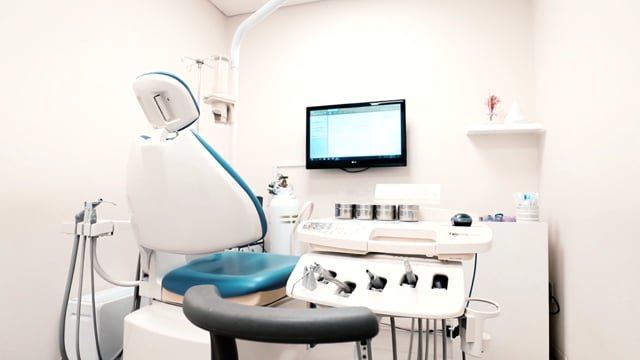
1. A multi-sensory clinic design featuring calming colours, textured flooring, fidget tools, engaging videos, and inclusive facilities for neurodiverse and specially-abled children.
2. Comprehensive standard operating procedures (SOPs) centred on communication, comfort, and familiarity prior to treatment.
3. People-first training, ensuring that even front-desk staff are equipped with knowledge in child psychology and empathy.
Growth and Future Aspirations
In 2022, Small Bites opened its second centre, marking its evolution from a founder-led clinic to a scalable organization. Today, it operates five clinics across Bengaluru, with plans for two more.
The impact has been remarkable, with Small Bites successfully treating over 45,000 children in its clinics and achieving a consistent year-on-year growth of approximately 20%. The organisation enjoys robust profit margins between 15% and 20%. Impressively, its newer centres are becoming profitable within their inaugural year of operations, showcasing the effectiveness and scalability of its child-focused approach.
Looking ahead, the aim is to expand to 10 centres in Bengaluru, followed by other metropolitan and Tier-2 cities, fundamentally transforming the approach to children’s oral healthcare in India.
“Children shouldn’t grow up fearing dentists. If we get the experience right from the start, we can change their outcomes for life,” Dr. Naidu asserts.