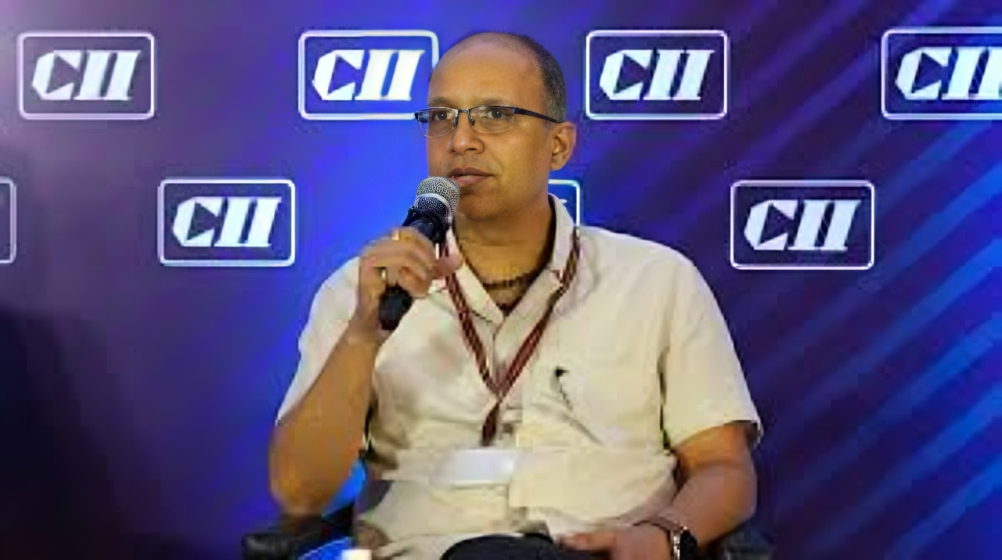
Micro, small, and medium-sized businesses (MSMEs) are crucial to India’s development into one of the world’s biggest and most powerful marketplaces. Free trade agreements (FTAs), such as the recently reinforced UK-India FTA framework, are giving Indian MSMEs substantial opportunity to enter international public procurement markets, according to Ajit B. Chavan, Additional Chief Executive Officer of the Government e-Marketplace (GeM).
Speaking on the changing role of Indian businesses, Chavan emphasized that the goal of GeM and the Indian government is to help MSMEs maintain their competitiveness in the home market while also growing their global presence. According to him, the three fundamental elements of this approach are organized market expansion, quick digital adoption, and legislative support. When combined, these components provide a robust connection between the growth of local businesses and access to foreign markets, guaranteeing that Indian MSMEs are prepared to meet global standards and grow effectively.
MSMEs as Catalysts for Economic Development
Chavan reaffirmed that MSMEs are still essential to India’s GDP contribution, job creation, and innovation. He emphasized the significance of creating a comprehensive ecosystem that incorporates financial inclusion, simpler market access, digital literacy, and well-defined legislative frameworks in order to maintain this momentum. He claims that in order to create a robust, inclusive, and future-ready economy that is in line with India’s larger growth goals,
it is crucial to support startups, women entrepreneurs, and SC/ST-led businesses
He pointed out that innovation is ingrained in Indian MSMEs’ DNA. These businesses may create competitive goods and services for both home and foreign markets with the correct support networks and cooperative platforms. This strategy guarantees fair growth across areas, industries, and communities while also bolstering India’s standing as a worldwide supplier.
Support for Policies for Inclusive Development
Affirmative policy initiatives are actively assuring equitable chances for women-led, SC/ST led, and minority-owned firms, Chavan emphasized, highlighting the government’s commitment on openness, efficiency, and inclusiveness. In order to assist smaller businesses successfully engage in public procurement procedures, strategic alliances with industry associations and international organizations like UN Women are further improving outreach and digital literacy.
In order to address the structural issues MSMEs confront, he continued, continuing policy interventions, capacity-building projects, and mentorship programs are constantly being improved. These focused initiatives seek to level the playing field so that businesses of all sizes and industries may take advantage of opportunities and experience long-term success.
Financial Enablement and Digital Platforms
MSME growth is now greatly aided by digital public procurement platforms like GeM. GeM has greatly lowered entry barriers for smaller vendors by improving the transparency, accessibility, and efficiency of government tenders. Currently, MSMEs account for around 45–46% of all transactions on the platform, with over 44,000 startups, almost 2 lakh women led firms, and about 60,000 SC/ST-led businesses participating. According to Chavan, the platform successfully democratizes public procurement access.
Another important area of attention is still financial inclusion. With a focus on reasonable interest rates, the GeM Sahay program offers collateral-free loans up to ₹10 lakh in a matter of minutes. MSMEs may concentrate on expanding operations, increasing productivity, and fostering innovation without being hampered by financial difficulties by combining timely financial support with digital market access.
Obstacles and the Path Ahead
Operational issues including category-based bidding, recurrent contract filings, and product validation procedures continue to exist despite advancements. Chavan stated that in order to address these problems, GeM 2.0 would have standardized categories, automatic notifications, and process simplification to enhance user experience. He emphasized that ongoing stakeholder input is essential for improving policy while upholding Make in India principles, compliance, and openness.
Chavan voiced great hope for India’s future as a major player in the world economy. Indian MSMEs are well-positioned to prosper because to improved worldwide access made possible by free trade agreements and a strong, inclusive local ecosystem. In order to develop sustainably, make a significant contribution to national progress, and strengthen India’s
position as a top global market, he urged businesses to embrace technology, innovation, and teamwork.