The fast growth of artificial intelligence is driving unprecedented investment in large-scale data center infrastructure in the global technology ecosystem. Prominent IT firms including Google, Meta, Microsoft, OpenAI, and Perplexity are all contributing billions of dollars to
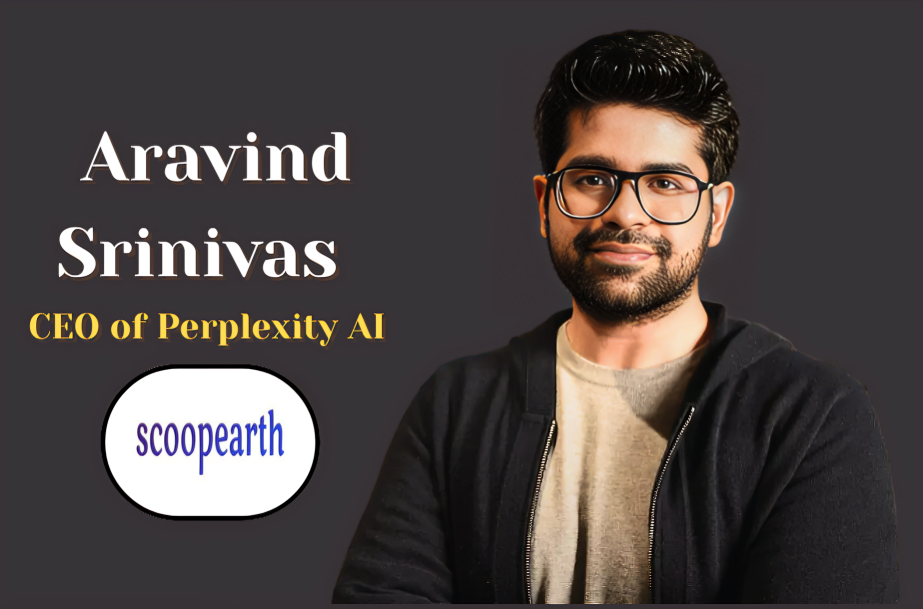
the construction and expansion of data centers worldwide. By the end of this decade, industry analysts predict that total investment in this sector may be close to USD 1 trillion. Aravind Srinivas, CEO of Perplexity, has offered a different perspective despite this increase, arguing that the true future of artificial intelligence might not be found in centralized data centers.
In a YouTube audio interview with Prakhar Gupta, Srinivas expressed his belief that the emergence of locally implemented, on-device AI poses the greatest long-term threat to data centers. He said that the need on big, centralized data centers for inference may be greatly reduced if sophisticated intelligence could be effectively integrated into chips that operate directly on consumer devices. He believes that the importance of large cloud-based infrastructures may eventually decline as AI processing moves closer to the consumer.
The transition to local processing from centralized intelligence
The most well-known AI platforms at the moment, such as ChatGPT, Gemini, and Perplexity conversational systems, mostly rely on strong servers housed in data centers. These facilities remotely handle user inquiries and return answers to devices. High performance is made possible by this paradigm, however there are significant operational difficulties. Large quantities of power are used in data centers, which also need constant hardware maintenance and largely rely on water-based cooling systems to control the heat produced by high performance computer equipment.
Srinivas emphasized that compared to this centralized architecture, on-device AI has a number of advantages. The AI model can more successfully adjust to unique tastes and usage patterns because it is located directly on the user’s device. He pointed out that these AI
systems will effectively be “living on the computer,” enabling more responsive and customized interactions without continual need on external servers.
Benefits of cost effectiveness, sustainability, and privacy
According to Srinivas, the potential for on-device AI to drastically lower infrastructure costs is another important benefit. Businesses may reduce power use, cooling needs, and total data center maintenance costs if AI processing takes place locally. By lessening the environmental impact of large-scale data center operations, this change may also benefit sustainability initiatives.
On-device AI may also provide significant privacy enhancements. The danger of data exposure or abuse might be significantly decreased since user data would stay on the device instead of being sent to distant servers. This strategy is in line with growing concerns about privacy and data protection laws throughout the world, especially those that apply to Indian and international digital ecosystems.
Technological developments and prospects for the future
Srinivas acknowledged that existing AI models are too big and resource-intensive to function well on commonplace devices like laptops and cellphones, but he was upbeat about upcoming advancements. He said that more potent and energy-efficient technology might make on device AI a reality in the upcoming years, citing developments in chip design and processing capabilities from firms like Apple and Qualcomm.
Srinivas also discussed the persistent problem of hallucinations in AI systems, acknowledging that existing models can produce false or deceptive answers. But as AI training methods and model designs advance, he is still optimistic that this problem will be mostly fixed in the next five years.
Conclusion
According to Aravind Srinivas, there may be a major change in how artificial intelligence develops in the future. The development of effective on-device AI has the potential to completely change the technological landscape, even if data centers already play a crucial role in driving AI progress. On-device AI has the ability to revolutionize user interactions with intelligent systems and lessen long-term reliance on centralized data center infrastructure by providing cost efficiency, improved privacy, and personalized intelligence.