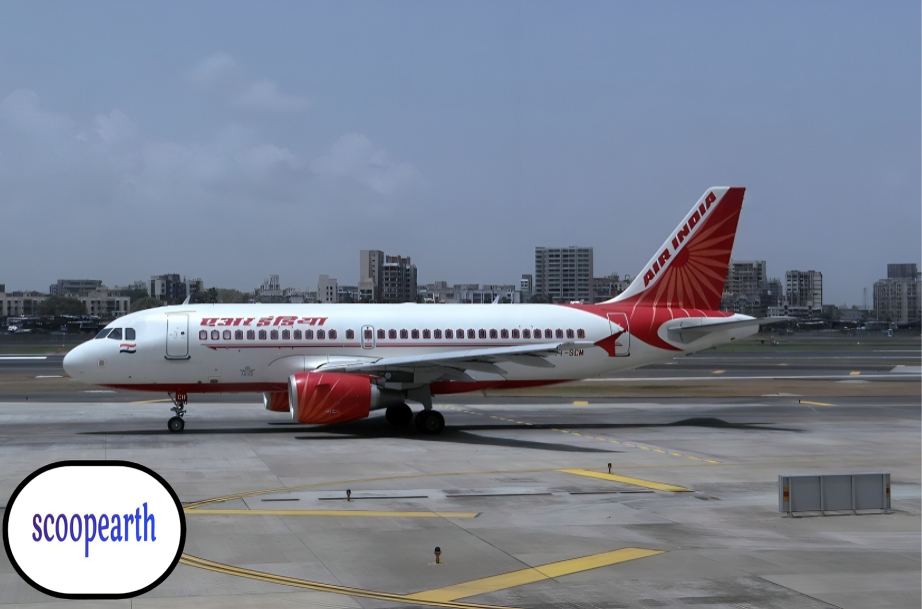
Air India is reportedly seeking approximately $1.5 billion in a fresh cash infusion from its parent companies, Tata Sons and Singapore Airlines. The financial move follows the carrier’s sustained loss of operating profit and the review being undertaken for its overall transformation.
This capital infusion is aimed at stabilizing the cash flow of the airline, as well as meeting all its restructuring requirements and obligations. The two companies that are assessing the proposal include Tata Sons, which has a controlling interest of 74.9%, and Singapore Airlines, which has an interest of 25.1%.
Equity contributions and operational expenses
Security of fresh capital underscores the substantial financial pressures on Air India, even with the transition to a privatized management regime. Following the acquisition of the carrier by the Tata group in January 2022, the airline has launched a huge transformation program to transform its operations, replace the old aircraft and renovate the fleet.
Legacy debts, relatively costlier jet fuel, short-term leasing and post-merger integration costs have taken a toll on profitability. The current capital spending is significant because, with the continued growth in their fleets, both Airbus and Boeing have significant commitments in terms of orders for hundreds of new aircraft.
Funding requirement shall be allocated in proportion to their respective shareholding percentages to the two joint venture partners. The proposed equity split would give Tata Sons a stake of about $1.125 billion, while Singapore Airlines is supposed to raise around $375 million to hold its 25.1% equity stake.
Singapore Airlines’ involvement will be key to achieving the financial projections and reflects the long-term confidence in the growth of the Singaporean airline within the thriving Indian aviation industry.
Integration challenges and strategic vision
Much of the requested $1.5 billion is being directed into continuous improvement and fleet consolidation. Air India is now working on a multi-year interior upgrade to its aging widebody fleet, incorporating new cabins, modernised inflight entertainment systems and fresh seats.
Funding will go toward the lease payments for induction aircraft to bridge the gap between slower direct aircraft deliveries and the capacity demands. The airline claims it will boost the consistency of its international long-haul product to rival the Middle Eastern and European legacy carriers.
The operational integration of Vistara into Air India is also complex, which adds to the financial burden. Short-term administrative and operational costs have been high due to the integration of the workforce, the alignment of corporate culture, the synchronization of route networks, and the unification of dual reservations systems.
The merger has given Air India a greater share of the market and a better possibility of premium traffic, but the transition period has created stress on available resources and increased overhead during the current financial year.
The shareholders believe that the capital request is a strategic investment and not a quick get-rich scheme given its current losses. The ultimate goal is the creation of a world-class global carrier that is able to make the most of India’s thriving domestic and international aviation traffic.
With $1.5 billion of new equity capital secured, the management believes that balance sheet leverage will become more stable, supplier payments will continue, and its multi-stage plan to return the company to profits in the years ahead will go forward without interruption.
Conclusion
Air India’s demand for $1.5 billion extra from Tata Sons and Singapore Airlines illustrates the financial difficulties of making over a heritage airline. To continue the multi-year plan to transform the business, the new investment will be critical as losses build amid fleet refurbishment, operating overheads and merger integration costs.
The joint venture’s upcoming capital contributions will give the partners a chance to prove their willingness to strengthen Air India’s operational capability and market share.