India’s quick commerce sector is entering a critical juncture, with major players adopting distinctly different strategies amidst escalating competition from well-funded rivals. As Swiggy Instamart focuses on expanding its scale through large-format dark stores, Blinkit prioritises depth in its product assortment, and Zepto sharpens its price driven approach, the market is clearly fragmenting along strategic lines.
With fresh capital still accessible but investor scrutiny on the rise, 2026 is poised to be a pivotal year for the evolution of India’s ultra-fast delivery ecosystem.
Swiggy Leverages Megapods for Scale and Efficiency
Swiggy’s quick commerce division, Instamart, is increasingly relying on large-format dark stores, known as “megapods”, to enhance unit economics and operational efficiency. These megapods consolidate a broader inventory, enabling Swiggy to serve larger catchment areas while lowering per-order costs.
This strategy underscores Swiggy’s conviction that achieving scale, rather than merely prioritising speed, will be crucial for long-term sustainability. By optimising backend logistics and inventory management, Instamart aims to strike a balance between quick delivery and improved margins—an approach that aligns with its overarching goal of profitability across the Swiggy ecosystem.
Blinkit Emphasises Assortment and Frequency
Backed by Zomato, Blinkit continues to carve out its niche by focusing on depth and variety. The platform is broadening its product range beyond groceries to include categories such as electronics, personal care, stationery, and small appliances, which encourages higher order frequency and larger basket sizes.
Instead of competing solely on price, Blinkit positions itself as a convenience-first platform, allowing users to find a wide array of products within minutes. This strategy heavily relies on dense urban networks and high consumer engagement, particularly in metropolitan areas, where speed and selection are key drivers of customer loyalty.
Zepto Intensifies Its Price-Driven Strategy
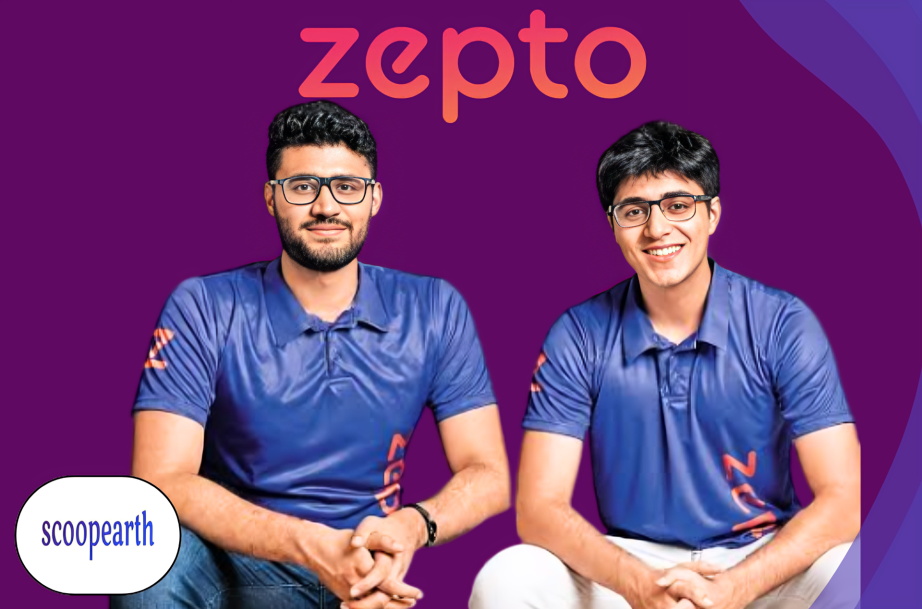
As one of the newer entrants in the market, Zepto is increasingly adopting aggressive pricing and discount strategies to attract and retain customers. The company has established itself as the most cost-effective option among quick commerce platforms, particularly for daily essentials.
By targeting price-sensitive consumers and optimising last-mile delivery, Zepto aims to rapidly increase its volume. However, this strategy also places pressure on margins, making operational discipline and cost control essential as competition heats up.
Big Tech and Retail Giants Elevate the Competition
As established players refine their strategies, the competitive landscape is becoming increasingly crowded. Amazon and Reliance’s JioMart are steadily advancing their quick commerce ambitions, bolstered by extensive supply chains, substantial capital reserves, and established customer bases.
Their entry has heightened the stakes for execution, compelling startups to innovate while also defending their market share against competitors with significantly greater financial resources and ecosystem advantages.
2026: A Defining Year for Quick Commerce
With capital still flowing but expectations rising, the quick commerce sector is transitioning from a land-grab phase to one where differentiation and sustainability take precedence over mere speed. Each player’s strategy—whether focused on scale, assortment, or pricing—reflects a unique vision for the future of quick commerce.
As competitors close in and consumer behaviour evolves, 2026 could be the year that determines which business models thrive and which fade away. What is evident is that quick commerce in India is no longer a straightforward race; it has become a complex contest of strategy, execution, and resilience.