From Rural Barabanki to National Honour: Teen Innovator Wins PM’s Bal Puraskar
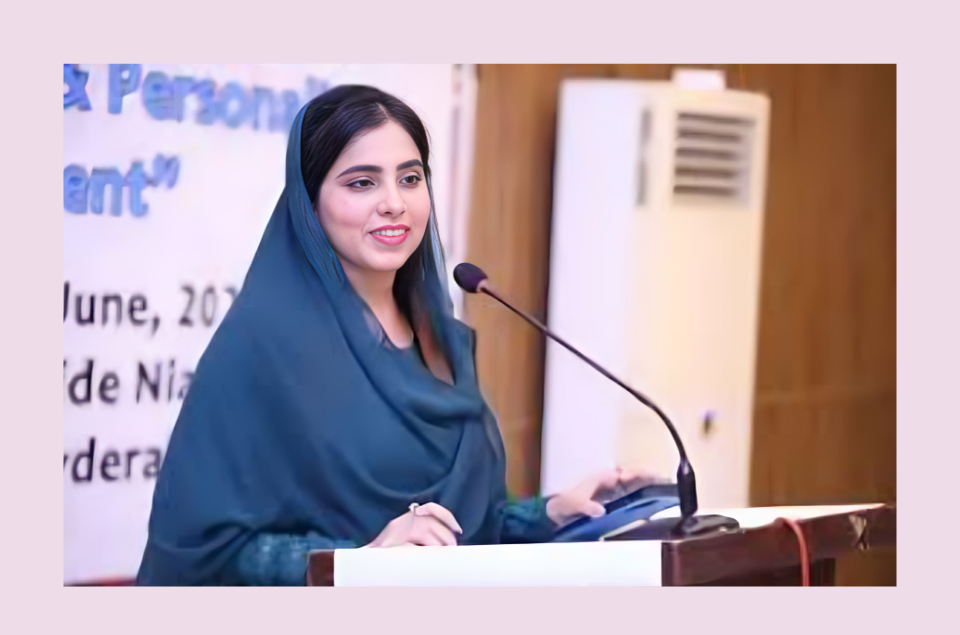
Lucknow: In a remarkable testament to grassroots innovation, 17-year-old Pooja Pal from Agehra village in Barabanki district, Uttar Pradesh, has garnered national acclaim for her scientific ingenuity. She has been awarded the esteemed Prime Minister’s Bal Puraskar for her creation of a dust-free wheat threshing model, which addresses a significant health issue faced by rural communities.
Pooja is one of 20 children from across India selected for this honour, which will be presented on December 26. Barabanki District Magistrate Shashank Tripathi confirmed her achievement, noting that the Centre has acknowledged her contributions to science and innovation. He emphasized that her journey exemplifies how impactful ideas can arise from rural India, inspiring young minds nationwide.
Identifying a Local Problem with Serious Health Impact
The inspiration for her innovation emerged when Pooja was in Class 7 and participating in the National Children’s Science Congress. She noticed that conventional wheat threshers produce excessive dust, which disperses into nearby homes, schools, and fields. This dust often leads to breathing difficulties, eye irritation, and long-term respiratory issues, particularly affecting children and the elderly in her village.
Pooja recalled how a wheat thresher operating close to her school would fill classrooms with dust, making it challenging to concentrate or even breathe. “Studying became difficult because of the dust,” she shared. This experience motivated her to devise a practical solution that farmers could easily implement.
From Observation to Innovation
The breakthrough idea stemmed from a simple observation at home. While watching her mother sieve flour, Pooja realized that a mesh-based mechanism could effectively separate fine particles. She wondered if a similar concept could be applied to wheat threshing to capture dust before it could disperse into the air.
With the support of her science teacher, Rajeev Srivastava, she began sketching designs and creating prototypes. Although her initial models made from paper and wood didn’t succeed, she persevered, refining her concept until she eventually constructed a functional model using tin sheets and welding tools. The final device, named ‘Bhusa-Dhool Prithakkaran Yantra’, significantly minimizes the release of dust and fine particles during the threshing process. This innovation not only enhances working conditions for farmers but also safeguards surrounding communities from respiratory health risks.
Pooja’s model attracted attention beyond her district, receiving evaluation and approval from the Union Ministry of Science and Technology and being selected under the INSPIRE Awards programme. This recognition provided her with the opportunity to represent India on an international platform.
In 2025, she was chosen for the Sakura Science High School Programme, organized by the Japan Science and Technology Agency, where she was the sole student from Uttar Pradesh among 54 Indian participants. The programme included advanced science sessions and a study tour of Tokyo. Earlier, the Uttar Pradesh government also recognized her as a “Child Scientist” and awarded her Rs 1 lakh.
Triumph Against All Odds
Pooja’s success is particularly inspiring given her family’s humble background. Her father is a daily-wage labourer, and her mother works as a cook in a government school. The family of seven resides in a small thatched hut. Acknowledging her achievements and the family’s needs, the district administration has approved a permanent house for them under the Pradhan Mantri Awas Yojana.
Pooja’s journey serves as a powerful reminder that innovation is not confined to privilege; it thrives on curiosity, persistence, and the bravery to tackle real-world challenges.