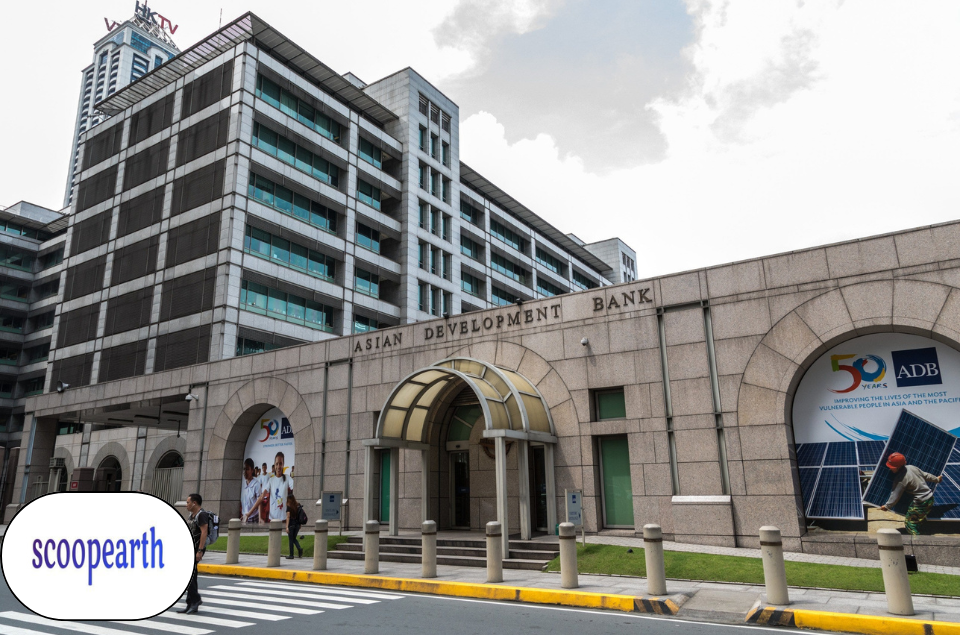
The Asian Development Bank‘s private sector operations keep making India the largest single market. The multilateral lender has set expectations for supporting an estimated $1 billion in financing for the country throughout this year. The significant cost investment seeks to support a range of key projects closely linked to the Government’s core development agendas. This capital deployment comes from an extremely successful previous year in which the institution invested heavily in the growth of India’s economy.
Upcoming capital deployment and investment
The upcoming support will follow the strong investment momentum that was created in 2025. The funder had allocated over $2 billion to the Indian private sector last year, using a carefully designed mix of direct capital contributions and external resource mobilization.
The lender deployed more than $4 billion by itself for sovereign operations and exceeded $1 billion in private sector operations, according to statement disclosures. It also mobilized equal private-sector funds from outside, contributing $2 billion to the total inbound financial flow to the private sector in 2025.
The bank’s leadership showed it has a clear plan to continue this investment pace in the private sector as the bank moves its operational focus into the fiscal year of 2026. The multilateral agency aims to maintain direct financing in multiple strategic developmental areas vital for long-term economic viability.
The new capital initiatives will focus on renewables and clean energy infrastructures, green hydrogen projects, e-mobility networks, and green data centres. In addition to clean energy tech, the institution is turning its investments in the private sector to social infrastructure improvement in the region.
The bank’s focus list includes sustainable agricultural practices, urban infrastructure development, and financial inclusion programs. Through this multi-sectoral traction, incoming capital is directed towards modern technological requirements and basic structural deficits in the economy. The investment roadmap is developed in total accordance with the clearly stated developmental agenda set forth by the Government of India, while the bank’s country partnership agenda is co-created with national authorities in close cooperation.
Collaborative financial framework and primary operational feature
The long-term infrastructure funding is complemented by the bank’s active expansion of trading and supply chain financing in the region. The facility has experienced a significant 40% increase in these aspects of operations in the first four months of 2026, influenced notably by sustained disruptions caused by the West Asia crisis.
Understanding of these specialized trade and supply chain dynamics is absolutely critical, to ensure the uninterrupted import of things that are essential to a stable regional economy, such as agricultural fertilizers, energy resources, and key food products. To overcome these new distribution problems and improve the local logistics industry, the bank has expanded its strategic partnerships with international financial organizations.
One important achievement was the formal negotiation of major risk-sharing agreements with Standard Chartered Bank. This co-ordinated financial model is designed to make a clear and strong move towards the development of supply chain finance for both international USD deals and domestic onshore rupee deals, thereby covering all segments of the market.
The recently signed enforcement agreement with Standard Chartered Bank is based on a dual-facility model for financial risk management. The partnership leverages a dedicated risk participation mechanism established directly in Gujarat International Finance Tec-City (GIFT City) for supply chain business in U.S. dollars.
For local currency needs, the entities have added a separate partial guarantee facility agreement to support seamless onshore rupee denomination transactions. One of the key operational attributes of this risk sharing system is its specific attention to segments that have not been sufficiently served by other market participants in the supply chain.
The focus of the arrangement is to increase the financing requirement of distributors with a special attention towards small and medium-sized companies continuing with smooth operations. The strategic partnership is critical for the multilateral lender, as this marks the first formal involvement in the market for distributor financing, and it has provided the institution with an important operational benchmark for its subsequent corporate interventions.
Conclusion
The Asian Development Bank’s (ADB) announced $1 billion private sector financing map for 2026 highlights its continued dedication to India’s economic transformation. The investment pace established in earlier years has been continued, and the institution’s efforts to raise funds outside the budget have been instrumental in producing significant growth in both the sovereign and commercial sectors. The framework of targeted focus on the green data centres, clean energy & sustainable agriculture augments that the incoming funds reflect India’s national agenda directly.
The bank is proactively strengthening the security of key value chains by implementing futuristic GIFT City risk sharing facilities and ground-breaking financing agreements with distributors. The dual perspective of long-term green infrastructure and immediate trade resilience makes the lender a strong ally of the inclusive, sustainable and highly resilient Indian economy.