
Credit cards have become an important part of everyday financial life in the United States. From cashback and travel rewards to business spending and flexible payment options, millions of Americans use credit cards for both everyday purchases and larger expenses.
The U.S. credit card industry is dominated by several large banks and financial institutions. According to the Nilson Report, the 10 largest U.S. credit card issuers accounted for 82.29% of industry credit card outstandings at the end of 2025. The top 100 U.S. card issuers generated approximately $9.204 trillion in purchase volume during 2025.
It is also important to distinguish between a credit card issuer and a payment network. Companies such as Chase, Citi and Bank of America issue credit cards and manage cardholder accounts, while Visa and Mastercard primarily operate payment networks. American Express and Discover have historically combined card issuing with payment-network operations.
Top 10 Credit Card Companies in USA
| Rank | Credit Card Company | Founded | Founder(s) | Key Strength |
|---|---|---|---|---|
| 1 | JPMorgan Chase | 1799 | Alexander Hamilton & Aaron Burr* | Largest U.S. credit card issuer |
| 2 | American Express | 1850 | Henry Wells, William G. Fargo & John Butterfield | Premium & travel rewards |
| 3 | Capital One | 1994 | Richard Fairbank & Nigel Morris | Rewards & consumer banking |
| 4 | Citi | 1812 | Samuel Osgood* | Rewards & co-branded cards |
| 5 | Bank of America | 1904 | Amadeo Pietro Giannini* | Banking & rewards |
| 6 | Discover | 1985 | Sears, Roebuck & Co.* | Cashback & consumer cards |
| 7 | U.S. Bank | 1863 | No single modern founder* | Consumer & business cards |
| 8 | Wells Fargo | 1852 | Henry Wells & William G. Fargo | Consumer & business banking |
| 9 | Barclays | 1690 | John Freame & Thomas Gould* | Co-branded & travel cards |
| 10 | Synchrony Bank | 1932 | General Electric* | Retail & private-label cards |
*Several companies on this list evolved through mergers, acquisitions or predecessor institutions. The founding information therefore refers to the historical origins of the institution rather than necessarily the modern corporation.
1. JPMorgan Chase
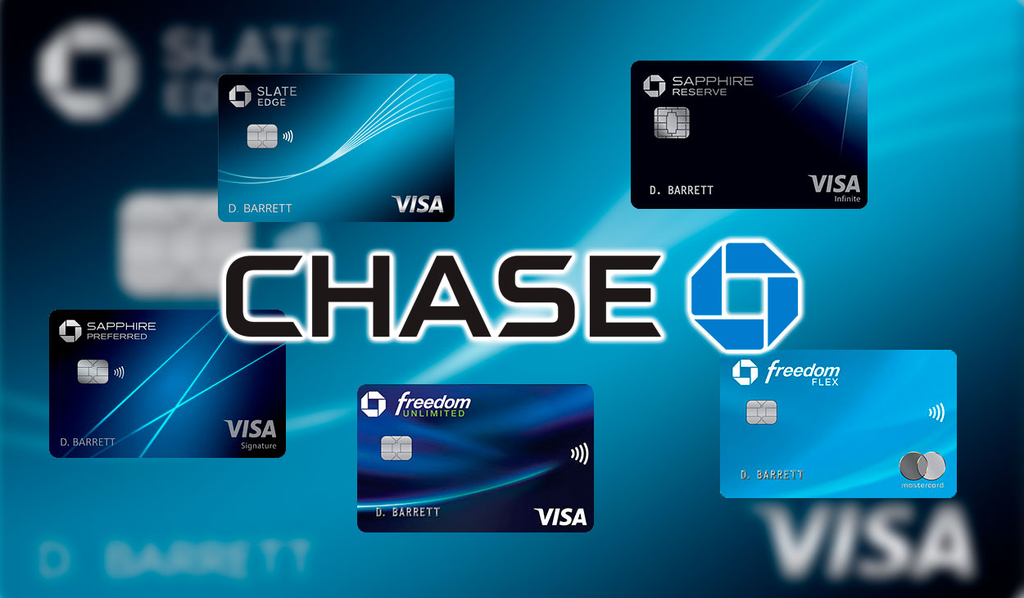
Image Source: Pixabay
JPMorgan Chase is the largest credit card issuer in the United States. The company’s modern banking organization has roots stretching back more than two centuries, including the Manhattan Company, established in 1799.
The institution was originally created as a water company and banking institution associated with Aaron Burr and Alexander Hamilton. Over the following centuries, numerous mergers and acquisitions transformed the business into today’s JPMorgan Chase.
Chase offers a wide range of credit cards covering cashback, travel, rewards and business spending. Its Chase Ultimate Rewards ecosystem is particularly popular among consumers interested in travel and flexible rewards.
The company generated more than $1.344 trillion in U.S. credit card purchase volume in 2024, making it the largest issuer by purchase volume according to Nilson Report data.
2. American Express

Image Source: Pixabay
American Express, commonly known as Amex, is one of the most recognizable names in the global credit card industry.
The company was founded in 1850 by Henry Wells, William G. Fargo and John Butterfield. It initially operated as an express transportation and financial services company before becoming a major player in payments.
American Express is particularly well known for premium credit cards, travel rewards, cashback products and business cards.
Unlike Visa and Mastercard, American Express operates its own payment network while also issuing many of its cards directly. This gives the company greater control over the customer and merchant experience.
American Express ranked second among U.S. credit card issuers by purchase volume in 2024, with approximately $1.168 trillion in purchase volume.
3. Capital One
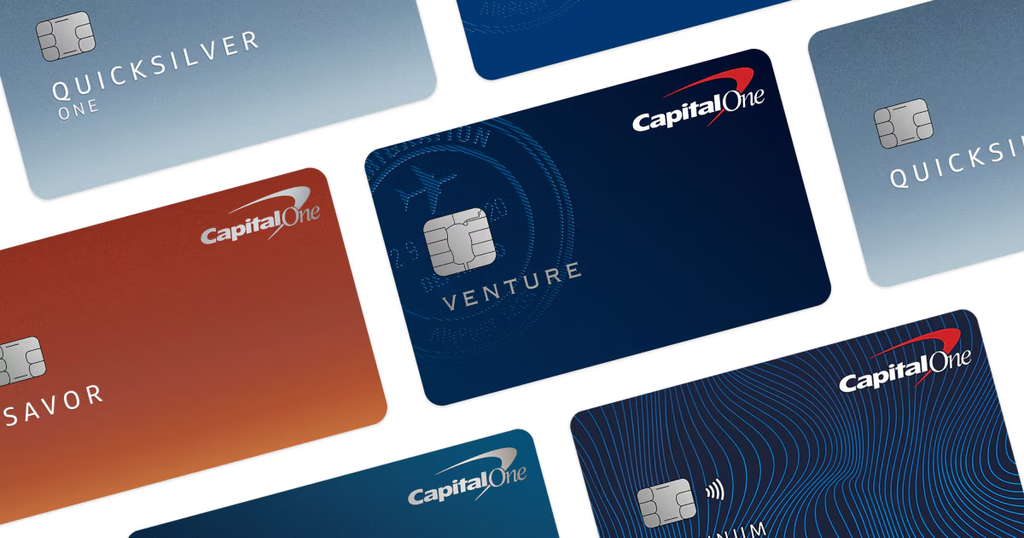
Image Source: Pixabay
Capital One is one of the largest consumer-focused financial institutions in the United States.
The company was founded in 1994 by Richard Fairbank and Nigel Morris after developing as a financial services business focused heavily on credit cards.
Capital One offers cards covering cashback, travel rewards and everyday spending. Its Venture family of cards has helped the company build a strong position in the travel-rewards market.
Capital One’s position in the credit card industry became even more significant following its acquisition of Discover. The combination created one of the largest card businesses in the United States.
The company now operates across credit cards, banking and other financial services.
4. Citi
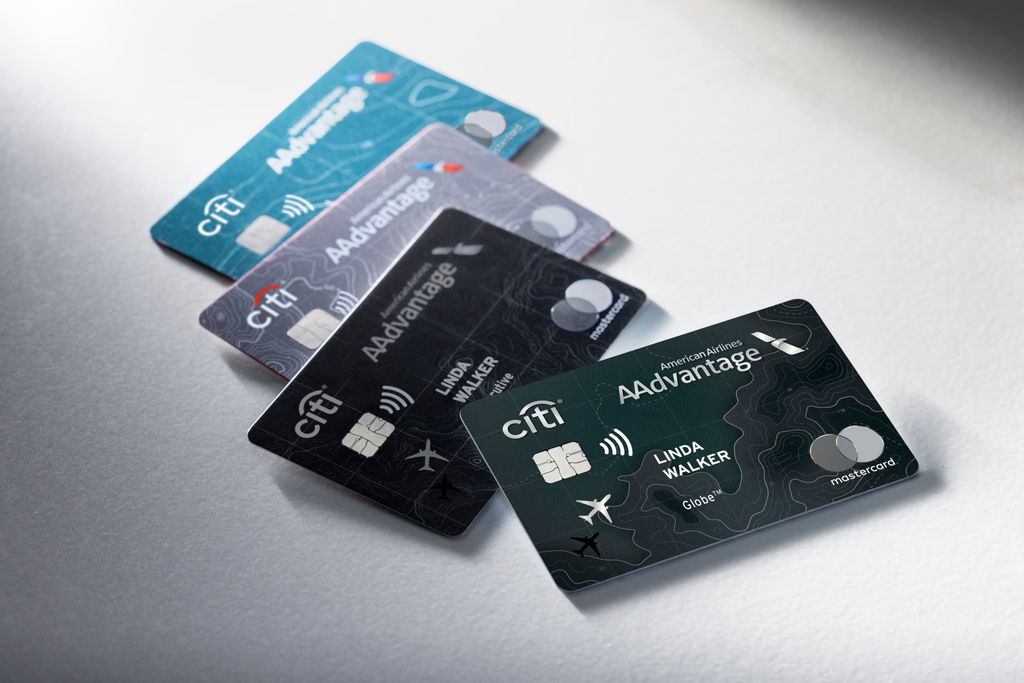
Image Source: Pixabay
Citigroup, commonly known as Citi, is another major U.S. credit card issuer.
Citi traces its origins to 1812, when the City Bank of New York was established. Samuel Osgood served as the bank’s first president.
Over more than two centuries, the institution expanded through mergers and acquisitions to become part of today’s Citigroup.
Citi offers a variety of credit cards, including cashback, rewards, travel and co-branded products. The company has developed partnerships with airlines and other major brands, giving customers opportunities to earn rewards through specialized loyalty programs.
Citi ranked among the largest U.S. credit card issuers, generating approximately $616.1 billion in purchase volume in 2024.
5. Bank of America
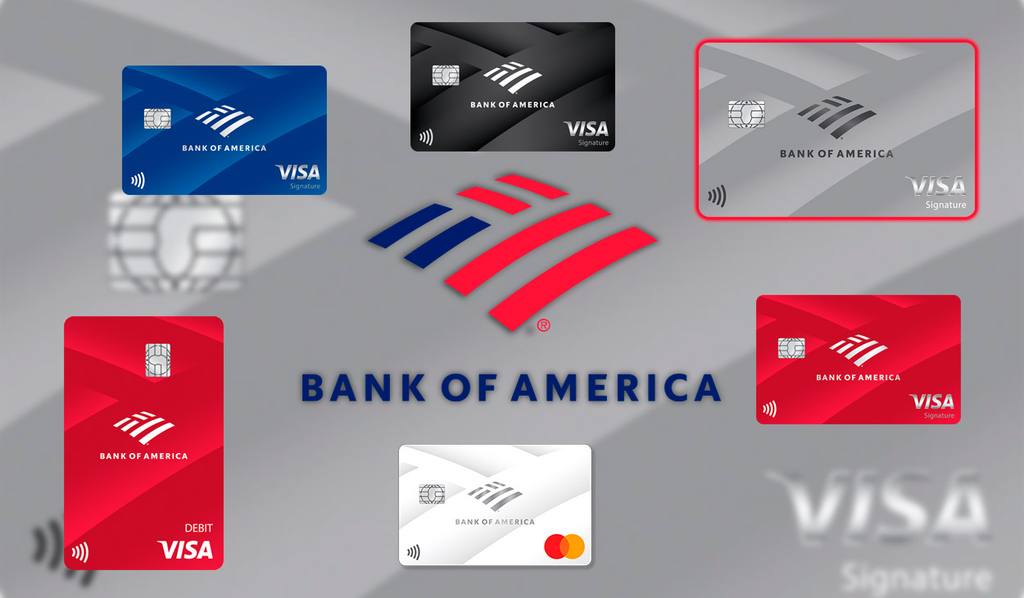
Image Source: Pixabay
Bank of America is one of the largest banking institutions in the United States and has a substantial credit card business.
Its history dates to 1904, when Amadeo Pietro Giannini founded the Bank of Italy in San Francisco. The institution later evolved into Bank of America through expansion and mergers.
Today, Bank of America provides credit cards covering cashback, travel rewards, business spending and everyday purchases.
One of its advantages is its large banking customer base. Customers can manage credit cards alongside checking, savings, lending and investment services.
The bank generated approximately $502 billion in U.S. credit card purchase volume in 2024, placing it among the country’s five largest issuers.
6. Discover
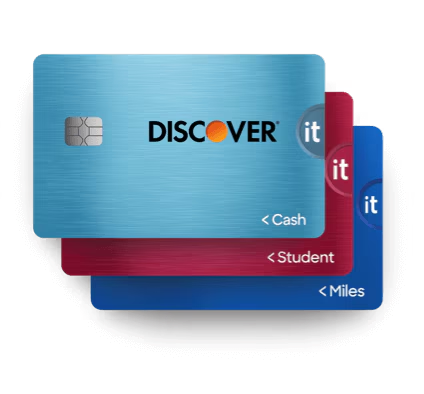
Image Source: Pixabay
Discover is particularly well known for cashback credit cards and consumer financial services.
The Discover card was launched in 1985 by Sears, Roebuck & Co. as part of an effort to enter the rapidly developing credit card market.
Discover became notable for its cashback rewards and for operating its own payment network. This made it different from many banks that issue cards using Visa or Mastercard networks.
Discover later became part of Capital One following its acquisition by the company, significantly changing the competitive landscape of the U.S. credit card market.
Before the acquisition, Discover was one of America’s largest standalone credit card issuers. 7. U.S. Bank
U.S. Bank is one of America’s largest banking organizations and has a significant presence in the credit card industry.
Its historical roots go back to 1863, when the First National Bank of Cincinnati was established. Because today’s U.S. Bank developed through numerous mergers and predecessor institutions, there is no single modern founder who can accurately be credited with creating the current company.
U.S. Bank offers consumer and business credit cards, including cashback, rewards and travel-focused products.
The company also benefits from its broader banking operations, allowing customers to access credit cards alongside checking, savings, loans and other financial products.
8. Wells Fargo
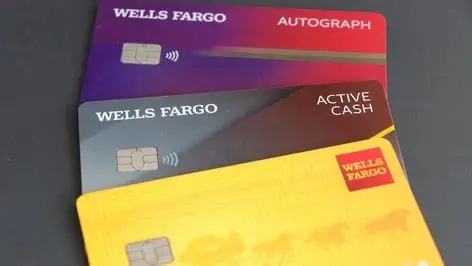
Image Source: Pixabay
Wells Fargo is another major American financial institution with a substantial credit card business.
The original Wells Fargo company was founded in 1852 by Henry Wells and William G. Fargo, along with other early business partners, to provide express and banking services.
Today, Wells Fargo offers credit cards for consumers and businesses, including cashback and rewards focused products.
Its large banking customer base and nationwide presence have helped the company remain a significant competitor in the U.S. credit card market.
Wells Fargo has also expanded its credit card strategy through rewards programs and partnerships.
9. Barclays
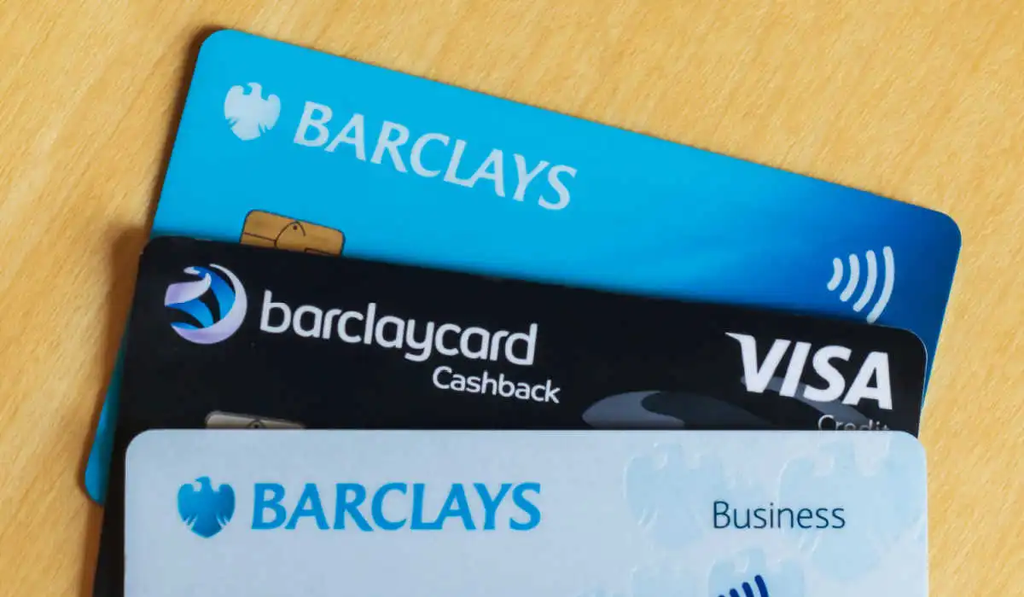
Image Source: Pixabay
Barclays is one of the oldest financial institutions represented on this list, with banking roots dating back to 1690.
Its historical origins are associated with John Freame and Thomas Gould, London goldsmith bankers whose business eventually became part of the Barclays organization.
Barclays’ U.S. credit card business has developed a particularly strong presence in co-branded credit cards.
The company partners with airlines, hotels, retailers and other businesses to offer cards connected with loyalty and rewards programs.
Rather than competing primarily through a large U.S. branch network, Barclays has focused heavily on partnerships and specialized card products.
10. Synchrony Bank

Image Source: Pixabay
Synchrony Bank is a major U.S. consumer finance company known especially for retail and private label credit cards.
Its roots date to 1932, when General Electric established a consumer finance operation that eventually developed into GE Capital Retail Bank.
Synchrony later separated from General Electric and became an independent publicly traded company.
The company works extensively with retailers and brands to provide store-branded and private-label credit cards. Its partnerships span areas such as retail, home improvement, electronics and healthcare.
Synchrony’s business model makes it different from traditional banking giants that primarily issue general-purpose cards.
Credit Card Issuers vs. Payment Networks
Credit card companies are often confused with payment networks, but the two serve different roles.
A credit card issuer provides the card to the customer, sets the credit limit, manages the account and handles billing. JPMorgan Chase, Capital One, Citi and Bank of America are examples of major issuers.
A payment network provides the infrastructure that allows transactions to move between merchants and financial institutions. Visa and Mastercard are the two biggest examples.
American Express and Discover have historically operated differently because they have combined payment-network functions with card issuing.
What Makes These Companies Important?
The companies on this list represent different parts of the U.S. credit card market.
Large banks such as Chase, Citi, Bank of America and Wells Fargo benefit from huge customer bases and broad financial-service operations. American Express competes heavily in the premium and travel-rewards segment, while Capital One has developed a major presence in both consumer banking and credit cards.
Discover historically differentiated itself through cashback and its own payment network, while Synchrony focuses heavily on retail and private-label cards. Barclays has built a strong position through co-branded partnerships.
This diversity means consumers can choose from thousands of credit card products based on their spending habits, rewards preferences and financial needs.
Future of the U.S. Credit Card Industry
The U.S. credit card industry is continuing to evolve as consumers increasingly use digital wallets, mobile banking and online payments.
Credit card companies are investing in digital account management, personalized rewards, travel benefits and new partnerships to attract customers.
The Capital One-Discover combination is also an important development for the industry because it has increased consolidation among major U.S. card businesses.
As competition continues, major issuers are likely to focus on combining credit cards with broader banking, loyalty and digital-payment ecosystems.
Conclusion
The U.S. credit card market is dominated by a relatively small number of major financial institutions. JPMorgan Chase, American Express, Capital One, Citi and Bank of America occupy leading positions, while Discover, U.S. Bank, Wells Fargo, Barclays and Synchrony serve important consumer and specialized segments.
Together, these companies play a major role in America’s payments and consumer-finance ecosystem. With digital payments, rewards programs and financial technology continuing to evolve, competition between the country’s largest credit card companies is expected to remain strong.
FAQs
1. Which is the largest credit card company in the USA?
JPMorgan Chase is the largest U.S. credit card issuer by purchase volume, according to recent Nilson Report rankings.
2. Who founded American Express?
American Express was founded in 1850 by Henry Wells, William G. Fargo, and John Butterfield.
3. Who founded Capital One?
Capital One was founded in 1994 by Richard Fairbank and Nigel Morris.
4. Is Visa a credit card company?
Visa is primarily a payment network rather than a traditional credit card issuer. Banks and other financial institutions issue Visa-branded credit and debit cards.
5. Is Mastercard a credit card issuer?
No. Mastercard primarily operates a payment network, while banks and other financial institutions issue Mastercard-branded cards.
6. Who founded Bank of America?
Amadeo Pietro Giannini founded the Bank of Italy in 1904, which later evolved into Bank of America.
7. Who owns Discover?
Discover became part of Capital One following Capital One’s acquisition of Discover.
8. What is Synchrony Bank known for?
Synchrony Bank is particularly known for retail, private-label, and co-branded consumer credit cards.
9. Which credit card companies offer travel rewards?
Major issuers, including Chase, American Express, Capital One, Citi, and Bank of America, offer travel-focused credit cards and rewards programs.
10. How large is the U.S. credit card market?
According to the Nilson Report, the top 100 U.S. card issuers generated approximately $9.204 trillion in purchase volume during 2025.