A Changing Approach to Home Living
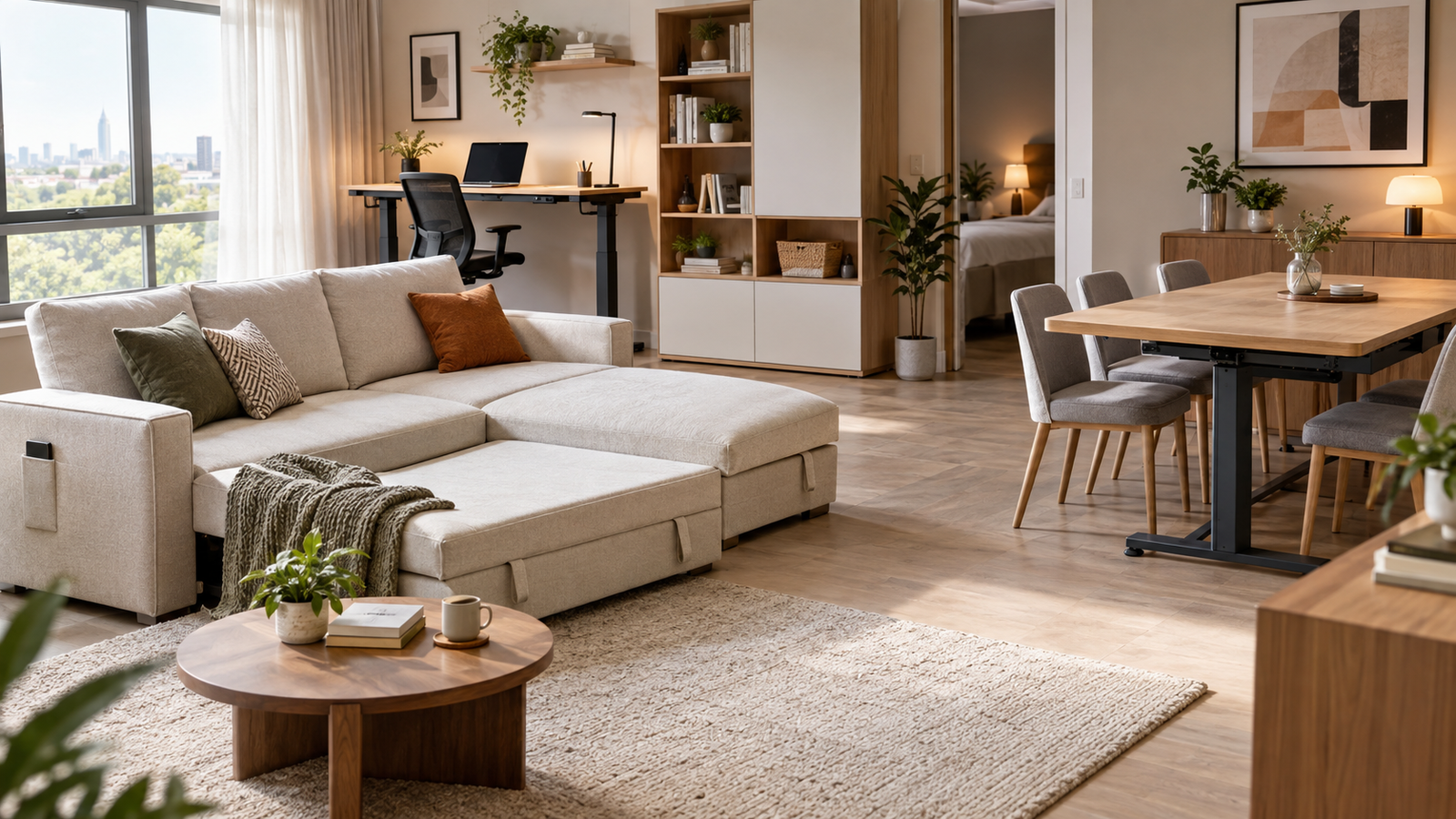
The way people in the UK use their homes has evolved considerably in recent years. Rooms are no longer limited to one specific purpose. Instead, the same space may be used for working, relaxing, studying, entertaining guests, or handling everyday tasks.
This changing lifestyle is often referred to as hybrid living. It reflects a more fluid approach to home life, where different activities can take place in the same room at different times of the day.
As lifestyles continue to change, furniture is changing with them. Rather than relying entirely on fixed and single-purpose pieces, homeowners are increasingly interested in furniture that can adapt to different situations.
Why Traditional Furniture Can Feel Restrictive
Conventional furniture was generally created around clearly defined rooms and predictable routines. A sofa was mainly intended for sitting, a desk for working, and a bed for sleeping. When each room had one clear function, this approach made sense.
Modern homes, however, often need to accommodate several activities within the same area. For example:
- living rooms can become temporary offices
- dining tables may be used for studying or video calls
- bedrooms can provide quiet working areas
- open-plan rooms may change purpose several times during the day
Fixed furniture can make these transitions more difficult. Instead of allowing the space to adjust naturally, it can force people to work around the existing layout.
Flexible furniture addresses this problem by making the home more responsive to the way people actually live.
Understanding the Idea of Flexible Furniture
Flexible furniture goes beyond simply being foldable or easy to move. The concept is based on creating pieces that can adapt to different needs while remaining practical and attractive.
Common characteristics include:
- adjustable heights and configurations
- modular components
- furniture with multiple functions
- compact designs for smaller spaces
- layouts that can accommodate different activities
The purpose is to make one piece of furniture useful in several situations without sacrificing comfort, appearance, or practicality.
How Hybrid Work Is Changing Furniture Choices
The growth of hybrid working has played a major role in the popularity of adaptable furniture. Many professionals now divide their working week between offices and home, meaning domestic spaces need to accommodate professional activities as well.
A home workspace is no longer necessarily a temporary arrangement. For many people, it has become a regular part of their daily routine.
This has increased demand for furniture that can:
- provide support during extended working sessions
- accommodate different types of tasks
- transition from work to relaxation
- remain comfortable in shared rooms
Adaptable furniture makes it possible to combine work and home life without needing a completely separate room for every activity.
Making Better Use of Smaller Homes
Limited space is another important reason behind the growing interest in flexible furniture. Many properties, particularly in busy UK cities, have relatively small interiors where every part of the available space matters.
When space is limited, furniture needs to offer more value. Rather than dedicating an entire area to a single activity, homeowners can use adaptable pieces that serve several purposes.
Popular options include:
- height-adjustable desks and tables
- extendable and foldable furniture
- modular storage solutions
- versatile seating
One practical example is an Adjustable Standing Desk, which allows a workspace to be modified according to different working preferences and daily requirements.
Furniture Designed for Changing Routines
A major principle behind flexible furniture is the ability to accommodate change. Modern homes need to support more than physical movement; they also need to handle changes in how each area is used.
A living area might be a workplace in the morning, a dining space in the afternoon, and somewhere to relax in the evening. Furniture that can adapt to these transitions can make such changes easier.
When pieces are simple to adjust or reposition, rooms can be reorganised without creating unnecessary clutter or requiring significant effort. This makes everyday routines feel smoother and more manageable.
How Flexible Furniture Can Improve Everyday Comfort
The advantages of adaptable furniture are not limited to saving space. The way a room is organised can also influence how comfortable and relaxed it feels.
An awkward layout or furniture that does not suit the user’s routine can create small frustrations throughout the day. Over time, these minor inconveniences can make spending time at home less enjoyable.
Flexible furniture can provide a greater sense of control over the environment. When people can adjust their surroundings according to what they are doing, the space can feel more comfortable and convenient.
Some potential benefits include:
- less everyday inconvenience
- greater control over room layouts
- improved comfort while working or relaxing
- a more organised atmosphere
This is one reason adaptability is increasingly being considered part of modern interior comfort.
Simplicity in Contemporary Interior Design
Flexible furniture also works well with current interior design preferences. Many UK homeowners are choosing interiors that emphasise simplicity and avoid unnecessary visual clutter.
Modern spaces often feature:
- clean and straightforward layouts
- neutral tones
- natural-looking materials
- open and uncluttered areas
Adaptable furniture can complement this style because one versatile piece may replace several separate items. This allows homeowners to maintain functionality while keeping the room visually simple.
As a result, spaces can feel more open, organised, and consistent without requiring excessive furniture.
Rethinking What Makes Furniture Valuable
The definition of good furniture is also changing. Appearance and durability remain important, but adaptability has become another major consideration.
Furniture that works well in modern homes is increasingly expected to:
- adjust to changing lifestyles
- perform more than one function
- work effectively in different areas
- make everyday routines easier
This reflects a wider move toward practical and intentional home design. Instead of buying furniture simply because it looks attractive in one setting, homeowners are increasingly considering how useful it will remain as their needs change.
Creating Homes That Can Keep Up With Life
The growing popularity of flexible furniture reflects a broader change in the way people experience their homes. Daily routines are less predictable than they once were, and individual rooms increasingly need to support multiple purposes.
Homes are becoming adaptable environments that can change throughout the day. Furniture plays an important role in making this possible.
By offering greater flexibility, adaptable furniture can help people use available space more effectively, simplify everyday transitions, and create interiors that better match modern lifestyles.
Ultimately, flexible furniture is about more than changing the design of individual pieces. It represents a different way of thinking about the home—one where the environment can respond to people’s changing needs, with brands such as Hulala Home contributing to this evolving approach to modern interior living.