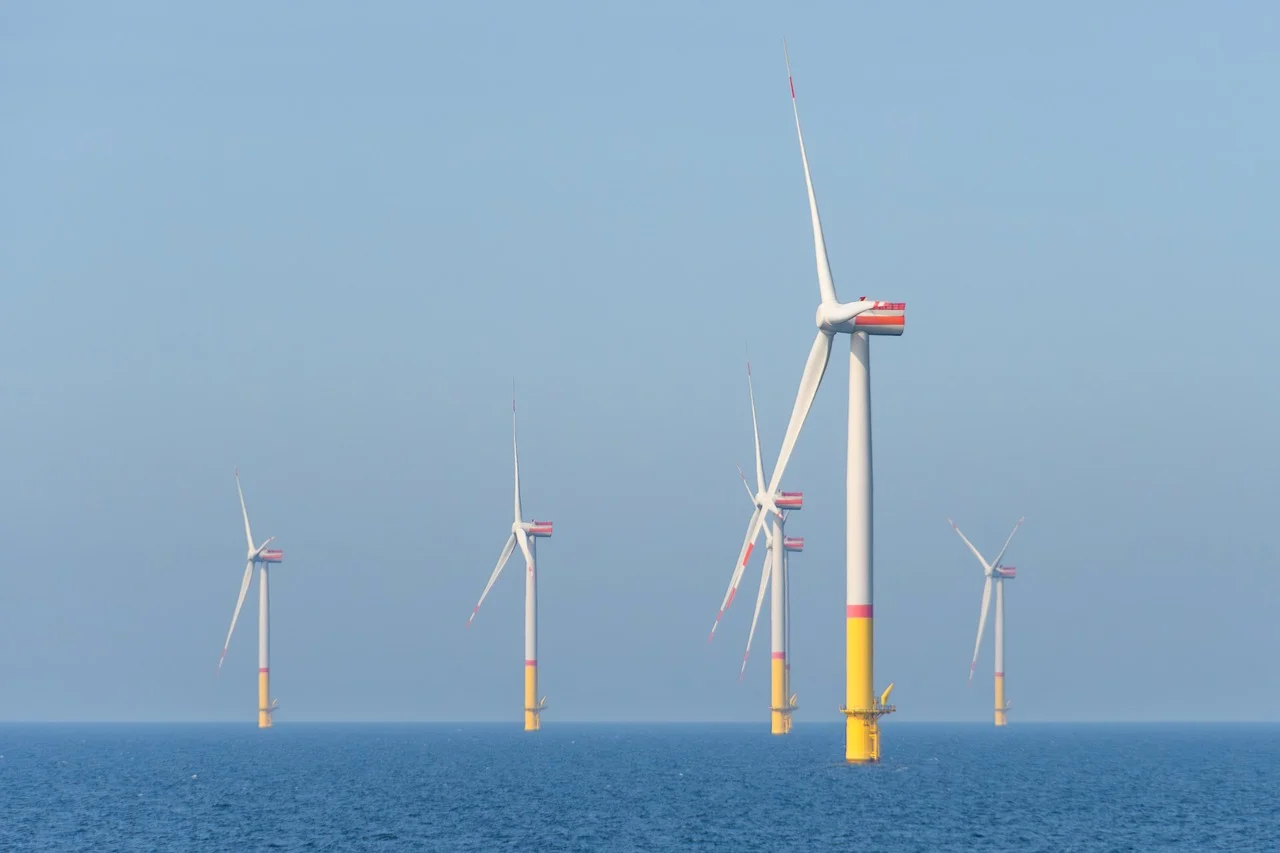
The Indian renewable energy sector has made a sharp appeal to the government to provide policy certainty and fiscal stimulus to the sector, with the central government preparing the Union Budget during the 2026-27 financial year (FY27). The industry stakeholders and recent reports show that the industry is not just executing a growth phase of capacity expansion, but a stage characterised by the surety of execution and technological independence. The budget will be presented by the Finance Minister Nirmala Sitharaman on February 1, and the industry is seeking certain interventions in order to overcome structural bottlenecks in financing, research and development (R&D) and domestic production.
Focus and clean energy journey
According to industry leaders, the FY27 budget offers a rare chance to move away from simply declaring the headline capacity targets to the way in which the projects in the entire energy ecosystem can be implemented seamlessly. Among the major requests is the provision of incentive packages, which are specifically designed to address the area of R and D and domestic manufacturing of upstream important components such as ingots and wafers.
India is largely relying on imports of these key factors of solar module production. The government can support the creation of a more robust and self-reliant supply chain by offering local manufacturers sops to meet the national objectives of energy security and industrial development more broadly.
The affordability of long-term green finance is currently on the front burner among both developers and manufacturers as the clean energy path crosses a critical inflexion point. The availability of low-cost capital is considered to be critical to the scaling up of distributed solar and hybrid-scale systems, as compared to traditional sources of energy, where capital cost is lower.
Players in the industry are supporting the implementation of creative financial tools, including credit enhancement techniques and special lines of credit, to cut the overall cost of capital. It is being proposed that the introduction of a transparent carbon monetisation regime may become a transformative measure that would open new sources of revenue and speed up the implementation of clean energy technologies in all directions.
Storage infrastructure and hybrid solutions
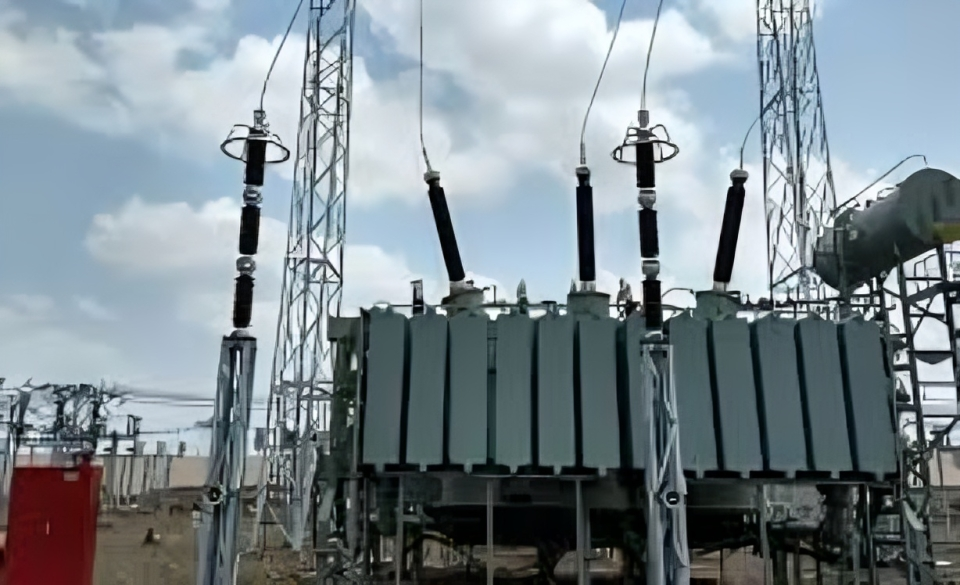
Introduction of intermittent renewable sources such as solar and wind into the national grid needs major upgrades in the transmission infrastructure. The stakeholders in the industry have indicated that grid readiness has been an increasing bottleneck to future growth unless it is tackled in the next budget. It has been strongly requested that efforts should be increased in modernising transmission networks and that there should be targeted fiscal incentives for energy storage solutions.
Flexible technologies such as battery storage are important to regulate grid stability and provide a consistent power supply. The industry is demanding rational GST treatment of battery storage systems and viability gap funding (VGF) to be commercially viable to make large-scale storage projects in the industry.
The other critical projection in the FY27 budget will be the comprehensive policy shift towards the implementation of distributed energy, especially targeting commercial and industrial (C&I) individuals. Solar systems on rooftops and hybrid energy give an opportunity to decentralise the generation of energy, which helps relieve the burden on the central grid and provides businesses with a commercially viable route to decarbonization.
According to industry stakeholders, a foreseeable incentive system and streamlined regulatory procedures for small-scale renewable energy will enable a greater number of users to switch to clean energy. This decentralised solution is regarded as an essential piece of the long-term plan of India to fulfil its dramatic climate pledges without decelerating the industrial productivity.
Conclusion
The needs of the renewable energy industry in the FY27 budget indicate the development of the maturing industry that is much more concerned with the quality and stability of the energy transition. The government can fill the gaps in R&D, offer low-cost financing and invest in hard infrastructure of transmission and storage, which can send the signals required to draw domestic and foreign capital.
With India looking towards 2026 and beyond, the effectiveness of the success of the renewable energy objectives will probably be based on the effectiveness of the upcoming budget in transferring these industry anticipations into bankable policy measures. Such an ambitious fiscal plan will not only ensure India’s energy future but also make the country a global leader in the sustainable production and implementation of clean technologies.