A powerful panel at YourStory TechSparks 2025, which included senior executives from leading Japanese businesses, talked about how India’s talented and flexible workforce is crucially influencing the next wave of global innovation. For Indian engineers and innovators, Japan has become an intriguing career destination due to the increasingly borderless nature of the professional world. It offers not just growth chances but also stability, purpose, and long-term learning.
The Reasons Behind Japan’s Interest in India
These days, Japanese businesses are working with Indian teams to collaborate, co build, and innovate rather than just address technical shortages. Organizations in Japan are actively hiring young Indian experts who bring speed, innovation, and problem solving skills, from deeptech companies to fintech innovators.
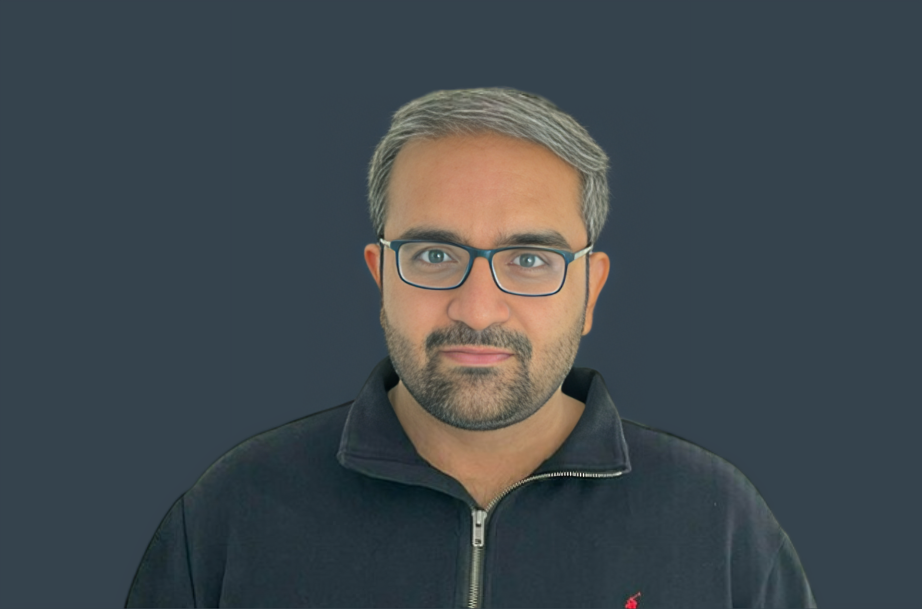
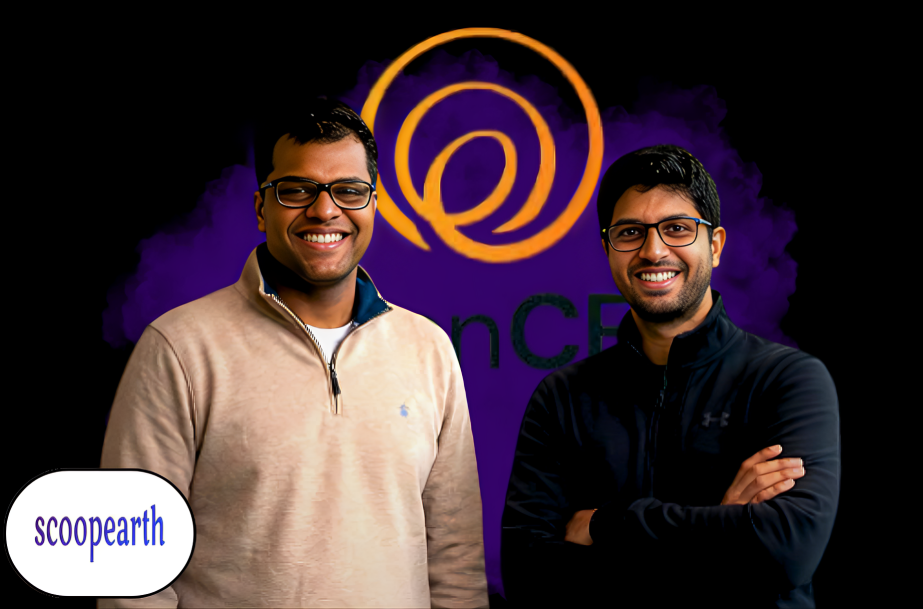
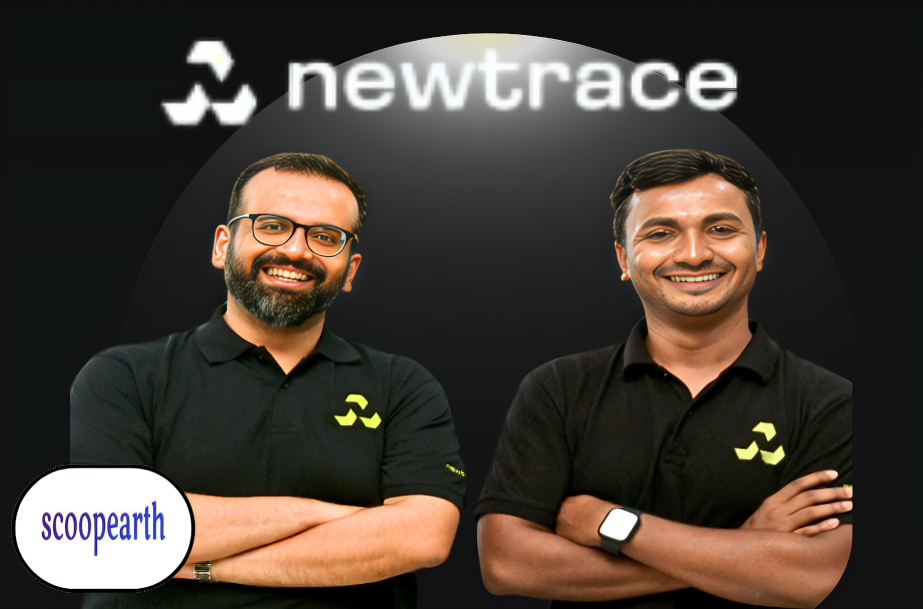
During the panel “The global career code: Why Japan is betting on Indian minds,” which was organized as part of the India–Japan Talent Bridge program, this sentiment was highlighted. The debate was hosted by Takahisa Ohira, Head of Asia Region, Deloitte Tohmatsu Venture Support, and featured Mayur Shah (Suzuki R&D Center India), Vivek Gokhale (Money Forward India), and Tsuyoshi Morimoto (Denso International India).
Individual Experiences That Show a Greater Change
Mayur Shah began the conversation by sharing his own story, which started almost thirty years ago. “I wrote my thesis in Japanese in 1994–1995,” he recalled, a choice that influenced his entire professional path. For Shah, Japan was a place of common possibility and innovative potential rather than a foreign country.
His background in venture capital, investment banking, IT research, and now automotive R&D at Suzuki demonstrates the variety and breadth of employment options available in Japan. He claims that the combination of Japan’s engineering accuracy and India’s youthful labor force can produce high-impact innovation.
Changing topics, Vivek Gokhale described how the Japanese financial behemoth Money Forward increased the size of its global workforce by hiring talented engineers from India. Collaboration between India and Japan is easy because English is the internal development language and top universities like IITs hire people worldwide.
India as a Key Center for New Product Development
Tsuyoshi Morimoto discussed Denso’s transition from traditional Japan-first product development to innovation driven by India. Four of the five applications in Denso’s Solver program are fully developed in India, demonstrating the company’s strong faith in the country’s engineering capabilities.
This is ownership, not outsourcing. Indian teams are now in charge of product architecture, quality assurance, and strategic decision-making, which reflects a significant change in the way Japanese businesses perceive talent.
Innovation via Collaborative Learning and Cultural Immersion Japan’s methodical yet empowering approach to talent development was a recurrent topic. To establish a foundation of trust, technical alignment, and cultural awareness, Suzuki immerses incoming engineers in Japan for three months. This interchange speeds up delivery cycles across marketplaces and improves cooperation.
Additionally, Suzuki provides scalability, coaching, and market access to Indian companies in the logistics, defense, warehousing, and precision agricultural sectors. Collaboration ensues if a startup is able to integrate on Suzuki’s platform. Growing talent and technology on both sides of the bridge is the straightforward objective.
Similar models are used by Money Forward and Denso, where teams collaborate on product development, gather factory data, and apply Japanese quality standards to international solutions. Innovation supported by discipline is the outcome.
Conclusion
Beyond abilities, cultural fit is quite valuable. Shah cited the Japanese learning theory known as Shu-Ha-Ri as a roadmap for successfully navigating cross-cultural settings: first follow, then adapt, and lastly invent. He pointed out that skipping steps causes friction.
According to Morimoto, long-term success in Japan is determined by quality and trust. Gokhale continued, “Money Forward’s team culture is shaped by respect and mindfulness, enabling high-performing global teams anchored in collaboration.”
The workshop concluded with a potent statement: Japan is providing a platform for international careers, not simply jobs. Indian professionals are in a unique position to spearhead the next phase of Indo-Japanese cooperation through organized learning, cultural interchange, and common innovation objectives.