The Indian healthtech environment is experiencing a considerable change with Cent, a startup serving the purpose of early disease detection, based in Bengaluru, making an announcement regarding the fact that it received an unspecified amount of capital. OneFlow Holdings, the family office of Practo founder Shashank ND, and the famous investment firm South Park Commons are the strategic investors.
The funding is a milestone of vital importance to a firm based on the ideology that the existing healthcare system is essentially reactive instead of proactive. With the support of proven industry giants and specialized venture capital, Cent is putting itself at the forefront of a new era of preventive medicine wherein high-fidelity diagnostics and artificial intelligence are utilized instead of the usual and sometimes inadequate annual checkups.
Transparency and idea for Cent
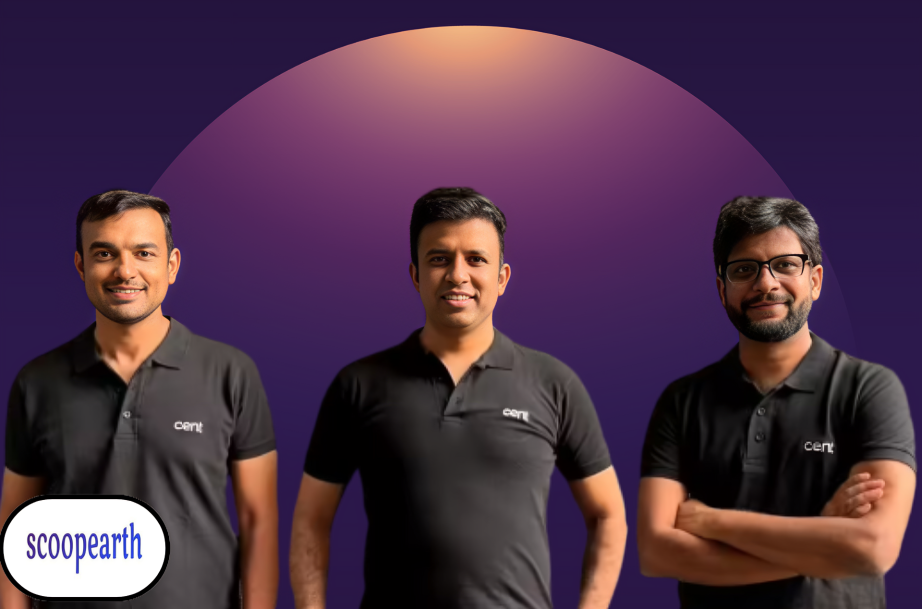
Cent was founded by a heavyweight team composed of industry veterans such as Shashank ND, founder of the healthcare platform Practo, Arpit Garg, ex-Lenskart, and Anshul Khandelwal, ex-Ola Electric. This founding team has a synergy of intense knowledge in healthcare technology, retail business, and high-volume consumer services.
The Cent concept was inspired by an intensely personal background since both Khandelwal and Shashank lost loved ones due to cancer. The experiences made them wonder why life-threatening diseases are always diagnosed at late stages, even in the light of well-developed medical technology. The startup mission is to bridge this gap through the development of a special purpose environment that would particularly focus on the early detection of cancer, cardiac, and metabolic diseases.
Cent has consciously chosen to go direct-to-consumer (D2C) in a market where the majority of healthcare platforms have a business-to-business (B2B) approach, where the organizations typically sell services to insurers, hospitals, or other large organizations. As the co-founder and chief business officer of the company, Anshul Khandelwal believes that this model guarantees that the interests of the startup are not conflicting with those of the patient.
Cent does not have to deal with commissions to hospitals, doctors, or insurance providers, which leaves the company with a clear relationship with its users. The startup makes its income only through the customers using its services, which contributes to upholding the integrity of its clinical findings. It is especially crucial in cases involving sensitive medical information and initial diagnoses that will necessitate urgent medical care.
Operations and technology
Centers of Cent operations is a proprietary screening protocol called CCNM or Cardiac, Cancer, Neurological, and Metabolic. This entire diagnostic set is much more extensive than a typical physical examination. It combines MRI scans of the entire body, cardiac CT, ECG, and DEXA scans with an evaluation of more than 120 blood and urine biomarkers and genomic testing.
This large collection of unprocessed data is subsequently analyzed with sophisticated artificial intelligence and assessed by a group of radiologists and medical experts. The outcome is a comprehensive, 60 to 70 pagesorgan-level report that offers a particular health rating of each of the major body systems. This evidence-based strategy enables the Cent to score an Early Detection Index (EDI) of about 83 percent, which is simply phenomenal when compared to the 15% to 20% efficiency of traditional annual health screening.
Cent has already demonstrated the clinical necessity of its services as it became operational in the first quarter of the 2026 fiscal year. The company has already performed over 1,500 scans, and 26% of the scans have produced clinically meaningful results.
The site identified life-threatening or critical conditions in asymptomatic cancer or severe cardiac blockages in 3% to 4% of its users. These persons did not have any previous symptoms, which illustrates the capability of the platform to detect the diseases before they become incurable. The startup is financially performing well, as it is growing at 50% per month and has an annualized revenue run rate (ARR) of about $2 million.
Cent will aggressively expand its physical presence in India with the new capital raised. The firm will establish specialized early diagnostic facilities across the key urban centers, with the first flagship in Bengaluru to be launched in April, and expansion will be done to Mumbai, Delhi, and Hyderabad.
On top of this local expansion, the startup is already looking into international expansion and is also partnering with other manufacturers of imaging equipment across the globe to streamline diagnostic machines to service preventive uses. Cent is working to change the trajectory of healthcare by establishing a specific infrastructure that integrates appropriate technology, protocols, and capital to transform the narrative of illness management to long-term wellness maintenance by the power of early intervention.
Conclusion
Cent managed to raise funds and expand operations so fast, which provides indicators that the Indian healthtech sector has reached a turning point. The company has been responding to a major need gap in the market by shifting from the outdated commission-oriented B2B models and adopting a high-tech, AI-driven D2C model.
As Cent expands its network of detection centers throughout the largest cities in India, it is not merely constructing a business; it is also constructing a new norm of how technology can be employed to expand human life by ensuring that the largest and most dangerous threats are identified well before they develop.