Moderation occurred in the wholesale price inflation (WPI) in India in July 2026, with WPI inflation slowing down to 9.8% year-on-year from 9.9% in June. ICICI Bank’s research report indicates the minor drop is not a broad relief of overall price pressures. This compares sharply with the -0.8% recorded a year ago during the same month. The WPI index on a sequential month-on-month basis recorded a marginal fall of 0.2%.
Primary driver and power inflation
Although the headline wholesale inflation index has declined slightly, estimates suggest that wholesale price inflation will persist at elevated levels during FY27. This further rise is likely due to the low base, elevated prices for food and fuel, and continued volatility of global energy costs.
Fuel and power inflation slowed down, accounting for the overall moderation in the July WPI inflation. Fuel and power sector inflation dropped to 20% in July from 27.4% in June. Specifically, mineral oils experienced a significant decline, with inflation falling to 32.4% from 46.5% a month ago.
Liquefied petroleum gas (LPG) prices also softened sequentially by 9.1% for the month, while aviation turbine fuel (ATF) and naphtha prices saw softness. The sector remains subject to underlying risks from external market conditions.
Average prices for crude oil in early FY27 have been $86.8 per barrel, significantly higher than $69 per barrel in early FY26. If global crude oil prices continue at these higher levels for an extended time period, this may represent a positive risk for future WPI inflation pathways.
Pass-through to CPI and manufactured products
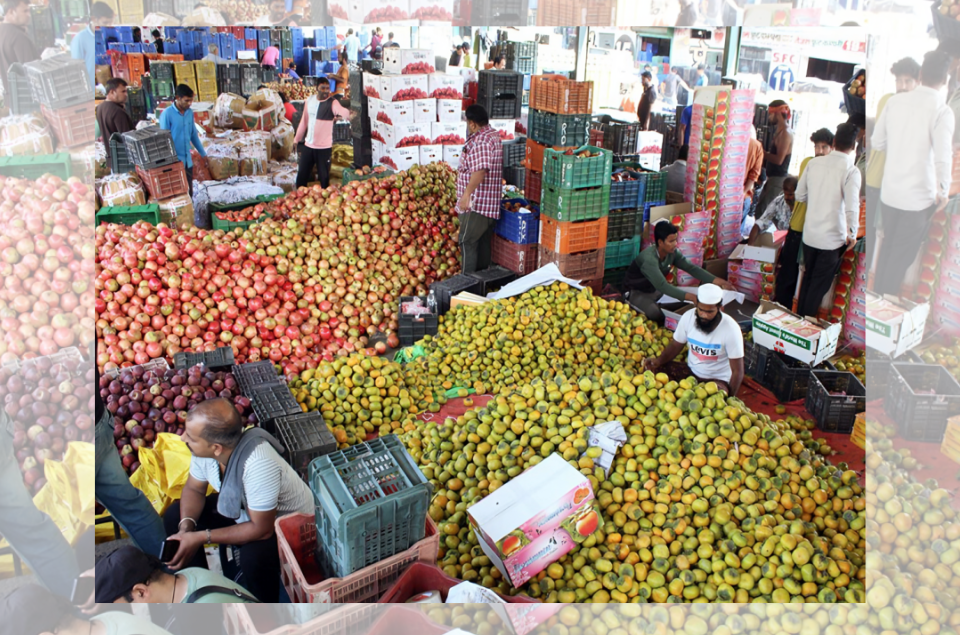
There was high pressure in both primary articles and manufactured products, in contrast with the falling prices of fuel and energy. Inflation of main articles increased to 8.5% in July from 7% in June, which is the highest level for the last 21 months. This is because there was an increase in non-food articles’ inflation rate to 17.7% from 11.1%. The inflation of food articles was stable at 5.4%, especially for condiments and spices; eggs, meat and fish showed high inflation rates.
Core inflation for manufactured products rose to 8.3%, its highest level this high in 28 months. Among the sub-sectors, price hikes occurred in chemicals, textiles, basic metals, rubber and plastics, electrical equipment, and fabricated metals. Food products experienced inflation of 8.9%, driven by robust persistent producer price pressures across manufacturing.
Producer price pressures remain firm overall, as evidenced by output PPI remaining unchanged at 9.6%, which matches its highest level recorded since April 2024. The ICICI Bank research report further shows that pass-through would remain limited from wholesale inflation to consumer price inflation (CPI) despite the high wholesale price metrics.
Retail prices are likely to remain comparatively sticky, and consumer price inflation is forecast to settle at 4.8% for FY27. The global trend of high crude oil prices creates a continuing upward pressure on the wholesale index, but local shellfish will provide some respite potentially later in the fiscal year. The improved monsoon season and the sowing condition are expected to help keep food inflation under check for the second half of FY27.
Conclusion
India’s headline inflation on the wholesale price index (WPI) eased to 9.8% in July from the previous month’s 9.9% as food inflation dropped, though underlying wholesale price pressures continued to be high.
Elevated prices of primary articles, manufactured products, and food in sub-categories, together with high global crude oil prices, would contribute to higher wholesale price inflation in FY27. The pass-through to retail prices is anticipated to be modest, keeping CPI inflation at 4.8%, with some positive gains in agriculture in the second half of FY27 outweighing the other components.