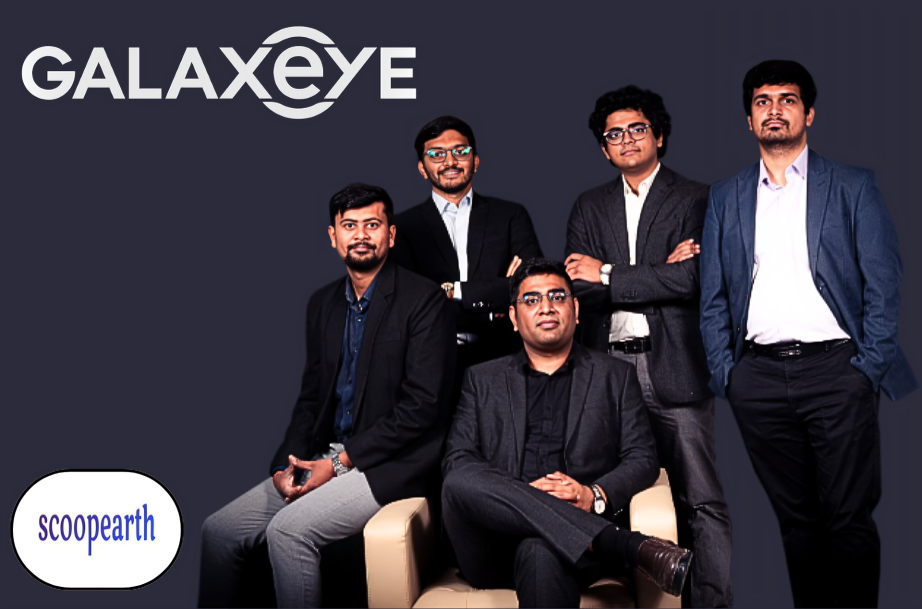
GalaxEye has acquired spacecraft engineering firm StarOps (S.O.P.S). This acquisition is designed to integrate a significantly greater share of the satellite development process into a single, operating roof structure. With the inclusion of StarOps in the corporate and technical ecosystem, GalaxEye expands its reach throughout the entire value chain for satellite development and Earth Observation.
The strategic transaction involves integrating StarOps’ expertise in spacecraft engineering, satellite bus platforms, and indigenous subsystems into GalaxEye’s infrastructure. It is a significant achievement in the space systems development journey for GalaxEye as they work to advance the development of advanced satellites for Earth Observation.
Decision to acquire StarOps and strategic importance
The acquisition of StarOps is based on the company’s ability to complement internal engineering efforts to simplify the intricacies of satellite design and development across its entire life cycle. GalaxEye is focused on developing the main hardware and software subsystems instead of depending on external vendors.
The integration provides the company with immediate control over critical satellite subsystems, which consolidates its strengths as an independent figure in the competitive spacetech market. The purchase underscores a down-to-Earth push toward self-reliance and technology integration in local space uses.
The addition of StarOps introduces GalaxEye with a complete set of technical domain expertise. StarOps has engineering experience in spacecraft systems engineering, propulsion systems, avionics, flight computing, guidance and navigation systems, structural engineering, electrical systems, mission operations, and ground operations. This comprehensive range of operating expertise allows GalaxEye to monitor any satellite mission from initial design through to in-orbit navigation and ground reception.
StarOps provides established satellite platform products in the 50 kg, 150 kg, and 250 kg weight classes. GalaxEye’s satellite platforms offer a flexible payload configuration for different mission requirements and scopes, satisfying various operational needs.
StarOps stated that over 66% of its satellite systems have been completely indigenised. This indigenous content level directly supports the national goal of enabling domestic technology development and reducing or eliminating reliance on foreign supply chains for space mission-critical components.
This move’s primary strategic reason is a drive for deeper vertical integration. Vertical integration is a term that describes a business strategy in which a company owns more than one part of the production of its products or services, specifically manufacturing, assembly, and testing units.
For a satellite firm such as GalaxEye, vertical integration has apparent theoretical benefits. It provides the firm a deeper understanding of key design decisions, better control during testing, and more options when it comes to schedules and project timelines.
Integration and engineering heritage of StarOps
The significance of StarOps for GalaxEye has functional relevance in connection with the development of advanced Earth Observation systems using its proprietary OptoSAR technology. OptoSAR is a special system integration platform that combines synthetic aperture radar (SAR) with conventional optical imaging sensors as a single satellite payload.
Active radar signals are the basis of SAR, which enables high-resolution imagery regardless of weather or darkness. A standard optical sensor gathers optical data and yields traditional imagery under good daylight conditions.
GalaxEye is tasked with providing continuous Earth Observation data products, both day and night and in all weather conditions, by integrating both radar and optical modalities under the OptoSAR umbrella. StarOps’ comprehensive satellite bus platforms and flight systems integrate directly with the demanding power, computing, and pointing requirements of the multi-sensor OptoSAR payloads, enabling the basic spacecraft architecture to reliably accommodate them.
StarOps contributes a distinctive technological legacy in the merger. StarOps was founded in 2022, building on the foundations of one of India’s earliest pioneering private space enterprises, TeamIndus. Many qualified and experienced engineering staff members from StarOps previously had the opportunity to receive practical experience during their work on the ambitious lunar rover and lander projects conducted under the guidance of TeamIndus.
This background in deep space mission systems engineering gave the team experience in rigorous reliability requirements and extreme operating environments. StarOps, since its inception in 2022, has worked towards the development of flexible satellite platforms and the localization of space technologies in India.
The project translated lunar-grade engineering experience into a set of satellite buses and indigenous subsystems, resulting in a robust technology transfer for GalaxEye’s long-term satellite roadmap. This acquisition comes at a time of considerable growth and change in the Indian space industry as a whole.
Earth Observation technology has emerged as a key application for commercial and governmental space programs. This partnership is part of the government’s strategy of establishing an earth observation satellite constellation through the collaboration of private firms such as Pixxel, SatSure Analytics India, Piersight Space, and Dhruva Space. Such a strategy underscores the importance of high-resolution satellite imagery in agriculture, infrastructure, and environmental observation.
These commercial processes are matched by a modernized policy environment that welcomes private investments and domestic manufacturing. Under revised regulations, India has opened up to 100% foreign direct investment in the space domain, with specific automatic-route thresholds depending on the type of space activity.
Specifically, satellite manufacturing and operations, satellite data products, and ground segment infrastructure allow for automatic FDI of up to 74%. The production of assay satellite components and subsystem hardware allows for 100% foreign direct investment under the automatic route. Some of these regulatory reforms establish a favorable environment for startups such as GalaxEye to build national production.
Conclusion
GalaxEye’s acquisition of StarOps marks a pivotal moment in furthering the growth and tech boost of the Indian private spacetech industry. StarOps’ extensive expertise in spacecraft systems engineering, indigenised subsystems, and a wide range of satellite buses across 50kg, 150kg, and 250kg classes complements GalaxEye’s innovative OptoSAR technology, giving the company a firm grip on its entire satellite manufacturing and operational pipeline.
The space sector is moving forward at a brisk pace with models such as 100% Foreign Direct Investment and national Earth Observation constellation partnerships, while GalaxEye’s vertical integration is a robust platform for the company to bring high-performing space systems to the global market through its range of products and services.