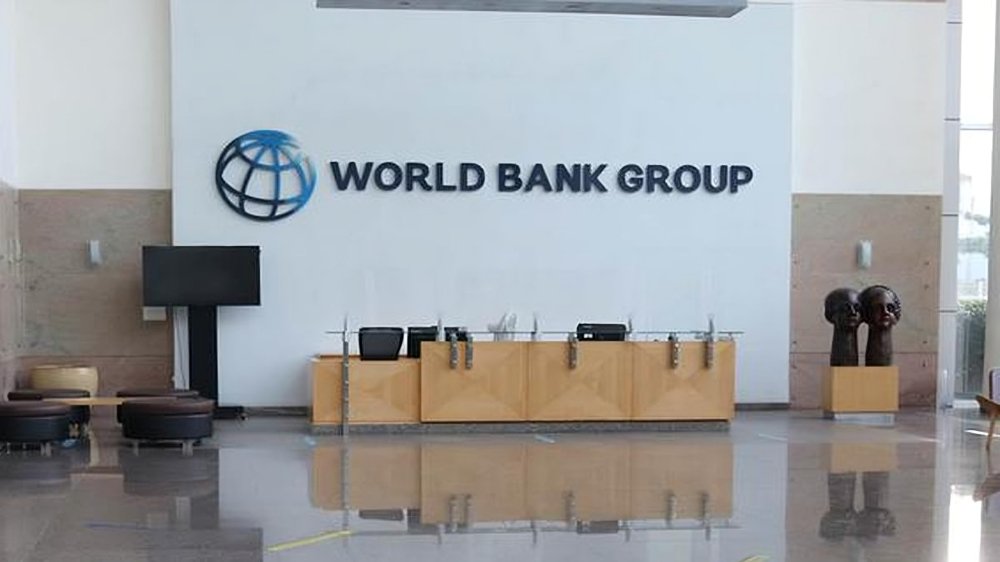
The World Bank Group has officially announced a financial package of $890 million aimed exclusively at the market-led solar rooftop project in India. As a global strategy to strengthen sustainable infrastructure, this huge investment measure is designed to directly promote the use of clean energy sources across the country. The $890 million injection is part of an effort to meet the growing electricity needs while helping to shift from legacy grid patterns that rely heavily on carbon-intensive energy generation techniques. The project demonstrates that international investments at scale can respond to local development goals to rework the landscape of renewable energy in an emerging economy.
Primary objective and financial commitment
One of the goals of this $890 million solar project is to expand the delivery of clean energy to directly enrich the lives of millions of homes across the country. Rooftop solar arrays offer a decentralized approach to energy distribution, allowing rooftop residential units to produce electrical power independently.
This strategic deployment plays a key role in improving grid management and serves to stabilize local electricity markets, helping households to have continuous access to a power supply. The growth of rooftop solar installations across millions of homes has a significant impact on reducing national carbon footprints, as well as national and utility costs to residential consumers.
The World Bank Group contribution should enhance the long-term sustainability of residential solar applications through improved institutions. Building rooftops requires a strong supply chain, codified technical guidance, and financial frameworks that incentivize the broader market to adopt clean energy.
The $890 million infusion will help tackle historical barriers in the marketplace like expensive up-front installation costs and underdeveloped credit lines for individual homeowners. Structured support can facilitate the smooth shift of domestic consumers to solar alternatives, establishing a resilient local ecosystem for private vendors, technical installers, and service providers.
National strategies and socioeconomic changes
This is the latest in a series of $890 million support packages dedicated to expanding India’s renewable energy output, and it fits seamlessly into the country’s green energy plans. This approach transforms millions of roofs into clean energy production facilities, decreasing the burden on central electrical power plants that use coal combustion.
This project directly advances the government’s broader international environmental commitments and emissions reduction goals. The project decentralizes electricity generation, minimizing losses along large electricity transmission lines while maximizing the use of urban space for clean energy production.
An $890 million investment will trigger a significant socio-economic shift in India in various areas and states. Solar installations on millions of roofs will create thousands of local jobs in creating, selling, engineering, and performing intermittent maintenance.
As the families generate electricity through solar rooftops, they are able to afford other necessities that help build their economy. The increased presence of these projects has increased their visibility and, hence, raised awareness and motivated people to take part in fighting climate change.
Conclusion
The $890 million funding by the World Bank Group in this solar rooftop program in India will definitely be beneficial for the growth of the program because it will provide the much-needed funding for millions of homes to adopt clean energy. This program shows how international funding can play an important role in promoting renewable energy.
The cumulative effect of the benefits, including decreased carbon emissions, increased grid reliability, and decreased domestic energy costs, will create a sustainable future as more installations are deployed across the country. This capital investment becomes a basic component in the project to make urban and rural housing a major force in creating environmentally responsible communities.