India is set to approve a massive manufacturing investment linked to Chinese capital in a major move, showing a certain level of relaxation of the economic strains. The Indian government is advancing the resolution of a roughly $370 million investment proposal from Horse Powertrain Limited. The venture is based in London and backed by China’s Zhejiang Geely Holding Group Company. The imminent regulatory clearance will mark one of the largest manufacturing projects from a Chinese-backed entity in India in recent years, indicating a geopolitical shift in economic relationships.
Global operational presence and proposed deal
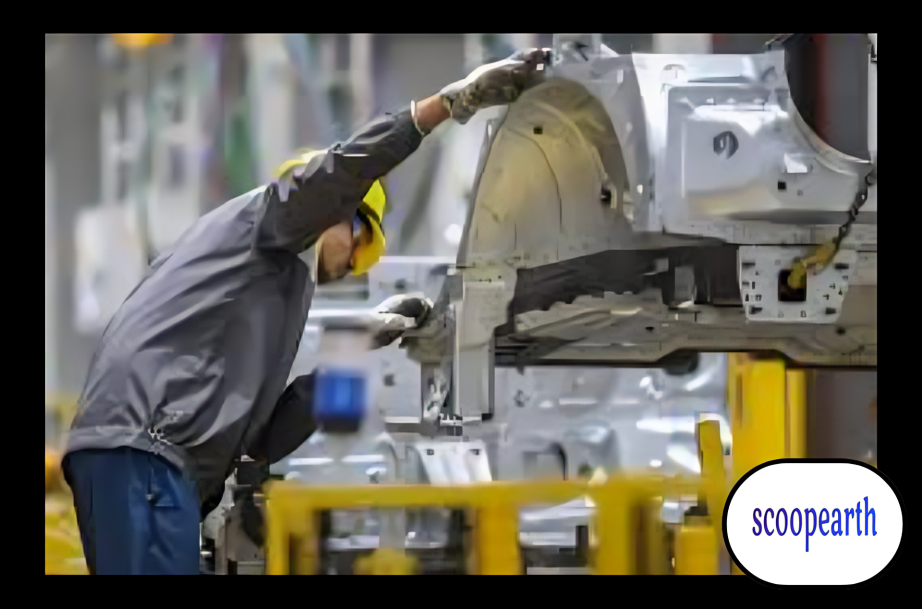
The proposed deal is designed to help Horse Powertrain Limited concentrate its investment into its current manufacturing initiatives at French carmaker Renault SA’s India. The funding of $370 million is dedicated to the development and manufacture of enhanced hybrid engines and powertrains at home, according to appreciative sources of the private discussions.
The program will directly impact local production capabilities by cementing a robust manufacturing presence for hybrid systems in a rapidly changing automotive ecosystem. In 2024, Geely and Renault SA formed the equal joint venture, Horse Powertrain Limited, with each respective auto group holding a 45% stake in the company. Saudi Aramco ultimately purchased the remaining 10% stake.
The London-based firm has an extensive presence around the world, with 18 production facilities and approximately 19,000 staff members. This multi-million dollar deal will help to drive the modernization of the domestic powertrain manufacturing using Horse Powertrain’s extensive technical know-how on the automobile and powertrain levels, which will have positive effects on the country’s industrialization.
Anticipated approval and historical context
One of the largest clearances since India eased its impact on investment laws in March is the expected approval from the Indian government. The policy change lifted some limitations on foreign investments from countries with a land border with India, which had originally been introduced mainly to track and control Chinese investment.
Clearing the hybrid engine project thus indicates that India has uncapped strategic foreign participation, where it serves the cause of local manufacturing and technological self-reliance. This is an unusual development in the history of the domestic automotive space. The last time the large Chinese auto maker had a successful huge investment in India was actually virtually 10 years ago, in 2017.
In that time, the SAIC Motor Corporation bought a plant from GM Company and introduced the brand MG Motors in the country. After an eventual corporate restructuring, that business is now majority controlled by domestic shareholders, including the JSW Group. However, the Horse Powertrain deal highlights this extended silence and thus offers a new model for global-local corporate cooperation.
Conclusion
This investment by Horse Powertrain is significant in the context of Indian industrial policy and its ties with business entities associated with China. The venture, backed by Geely and Renault, goes on to drive significant investments in cutting-edge hybrid powertrain and engine manufacturing through the loose rules governing cross-border investments. In addition to its technological gain for the local automotive industry, the deal also reflects a pragmatic shift in regulatory scrutiny, focusing on market expansion and the integration of global supply chains.