The gold market in India is proving to be resilient even in the light of high price levels, as the Akshaya Tritiya 2026 approaches. As a festival of prosperity and new growth, the Akshaya Tritiya is the second-largest gold-buying festival in India. A strong blend of traditional cultural weight, changing shopping habits, and the timeless value of gold as a safe-haven is driving high demand for precious metals this year.
According to the industry analysts, the price moves at the beginning of the year led to certain initial management. The market fundamentals are higher as the price of gold is showing a significant progressive trend at the beginning of the year.
Steady demand and digital formats
The present-day market environment is that of a calibrated and not a reluctant consumer base. Although gold prices have improved drastically in relation to the past year, the demand has not decreased. Buyers are instead making more rational and conscious decisions to adapt to the new economic reality.
Sachin Jain, Regional CEO of World Gold Council India, emphasizes the fact that the demand is resilient, although the volatility occurs occasionally due to concerns of geopolitical tensions. The retail buyer is considering periods of price stability or slight corrections as equitable points into which to enter their purchase. There is also a clear trend in the markets of moving towards lighter and more affordable forms so that the households can preserve their festive tradition without challenging their budgets.
Investment-oriented purchases have become one of the key trends of this Akshaya Tritiya. Consumers are also leaving behind purely aesthetic preferences towards gold coins and bars in high purity, where the value is directly proportional to the metal content. This change highlights the trend of increasing understanding of gold as a long-term wealth conservatory tool and not simply a festive object.
Modern investment activities like digital gold, Gold ETFs, and Silver ETFs have sustained momentum. Digital platforms have taken advantage of this interest by introducing special campaigns such as the Akshaya Tritiya Gold Mahotsav, which give rewards to customers and goldback incentives to streamline the process, where young, tech-savvy consumers make their purchases.
Consumer preferences and strong alternative
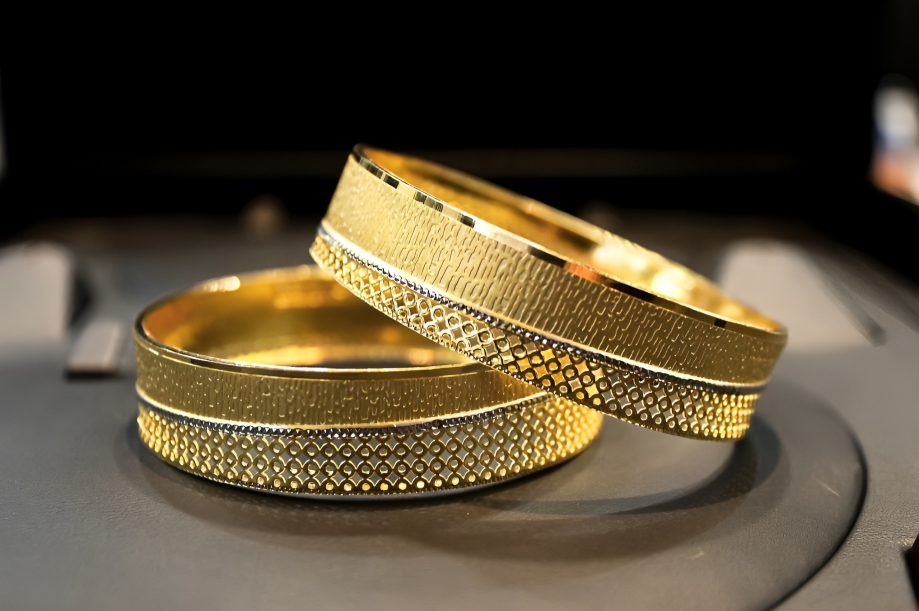
As the traditional jewelry remains holding on, consumers are moving distinctly towards lightweight, design-led jewelry, which is driving the retail sector. Youthful consumers are especially favoring what they call conscious luxury, i.e., products that are affordable, sustainable, and attractive. This has caused an explosion in demand for studded jewelry, including rings and earrings, and lab-produced diamonds and platinum.
Older retailers are changing by introducing new and modernized collections aimed at everyday clothing and not just an incidental requirement. E-commerce has also become the perfect way to expand, and large websites are registering a big increment in annual sales of gold and silver coins, which means that the ease of online shopping is redefining the way Indians celebrate this auspicious event.
Silver is also establishing its niche in the present high-pricing of gold as a more convenient and more appealing alternative to several buyers. As prices have soared, silver, with its dual nature as a precious and industrial metal, is increasingly hitting a chord with an expanded group of investors.
Retailers have reacted by broadening their silver mix to high-quality coins and designer jewelry with greater momentum as retailers in the smaller-ticket category. This diversification would make sure that the spirit of the festival is inclusive, and therefore, the festival allows a wider range of consumers to join in the tradition of purchasing metal as a sign of luck.
Conclusion
The endurance of the Indian gold market even before Akshaya Tritiya 2026 is a testament to the long-standing nature of the metal as a source of financial stability and cultural identity. The Indian approach to consumer behavior has evolved into long-term saving despite the challenges of record-high prices and global economic uncertainty.
The modernization of gold toward digital, jewelry made lightweight, and investment-grade bullion exemplifies a market that is appropriately trying to find a comfortable ground between the ancient and the modern. With central banks maintaining their purchases and geopolitical drivers increasing the demand for safe-haven currencies, the future of gold is stable.