Sukino Healthcare has managed to raise funds worth $31 million in the Series B round. Bessemer Venture Partners was the lead investor, and Rainmatter, the investment venture of Zerodha, contributed significantly to the investment. This injection of capital comes at an opportune time to the Indian healthcare market, with the institutional investors redirecting their attention to the post-discharge rehabilitation and recovery market, which is under-penetrated, yet growing at an alarming rate.
Operation and primary driver for Sukino
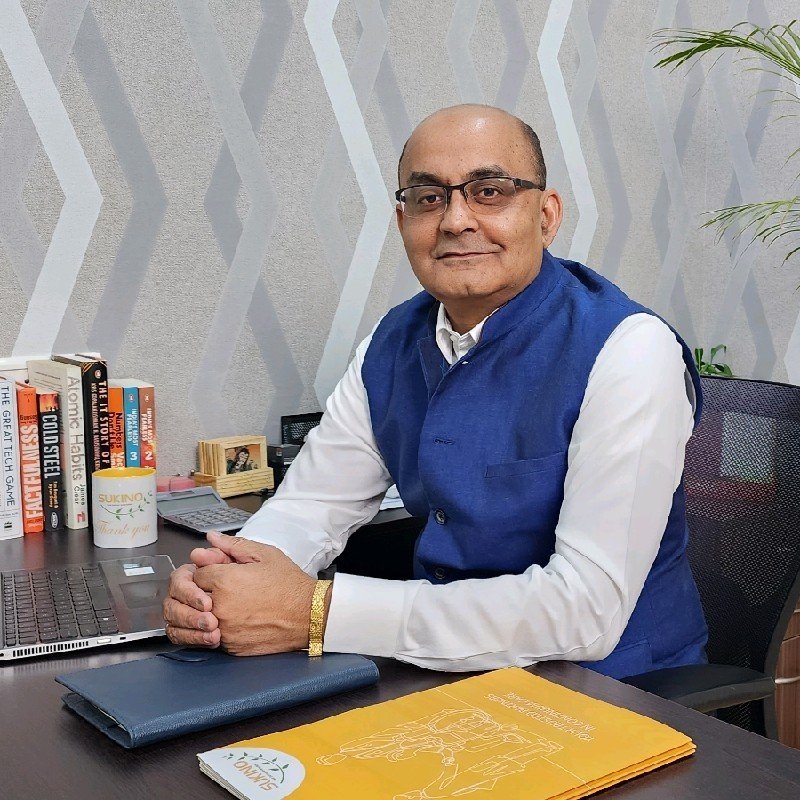
The Bengaluru-based startup was founded by Rajinish Menon in 2015 and has developed a niche in the field of the continuum of care. Although the Indian medical infrastructure has been traditionally preoccupied with acute treatment, e.g., intricate cardiac surgery or emergency stroke operations, the period that comes after the discharge of a hospital patient has traditionally been disjointed. In India, recovery and rehabilitation have been family-led and are informal.
Sukino markets itself as a niche between the emergency care of the hospital and the ultimate recovery of a patient. The space occupied by the company is where the conventional hospital services end. Through providing multi-week, rehabilitative programs, Sukino will make sure that patients with chronic ailments or undergoing significant operations are afforded professional, organized attention beyond the stress-escalation setting of a primary hospital ward.
One of the main reasons behind Sukino’s services is the growing rate of lifestyle-related illnesses in India. The nation is now estimated to contribute about 10 percent of the worldwide stroke patients every year- a figure that is ever increasing as the rates of obesity, high blood pressure and pollution, and sedentary living increase.
On average, a stroke victim needs six to eight weeks of hard, coordinated treatment that includes physical, speech, and occupational therapy. The facilities Sukino offers are created to meet these complicated needs and offer an environment that is not as clinical as a hospital, yet much more furnished than a typical home. This is an advanced interest in post-acute rehabilitation that is necessary to minimize the chances of re-hospitalization and the ability of patients to be self-sufficient in the long term.
Strategic expansion and investor confidence
The $31 million new capital will be used in aggressive geographic and vertical expansion. With a high presence in South India, in particular in Bengaluru and Kochi, Sukino is going to leverage the funds raised in the Series B to create a presence in newer cities and strengthen its position in the current markets.
Besides physical growth, Sukino is considering expanding the line of services. Although it already encompasses a range of services, such as respiratory rehab, knee and hip replacement recovery, and palliative care, the firm is shifting towards adopting high-tech technology. This involves the application of AI-based diagnostic systems and wearables that can both track the progress of the patient in real-time and reliably anticipate the occurrence of a health relapse before it becomes an emergency.
The venture of Bessemer Venture Partners and Rainmatter reflects an increasing belief that out-of-hospital care is the future of Indian healthcare. To the investors, it becomes attractive because Sukino is better placed than a regular hospital to handle the long-term chronic care cost-effectively without sacrificing quality clinical services. Offering a professionalized home-care substitute, Sukino will reach a middle-ground market that is projected to grow twice its size in the next several years.
Conclusion
The Series B round of Sukino of $31 million is a major milestone in the Indian rehabilitative care industry. The company is filling a significant structural gap in the national health system by targeting the key post-hospitalization weeks. Having the support of such high-profile investors as Bessemer and Rainmatter, Sukino has the potential to expand operations to additional cities in India and provide more people with structured post-hospital care.
With the weight of chronic illnesses and stroke recovery steadily on the rise, the model of compassionate, specialized, and tech-enabled rehabilitation expansion, as offered by Sukino, offers the needed addition to the Indian healthcare environment.