Semiconductors: The Next Growth Frontier for Indian IT Companies
For many years, India’s IT sector has been at the forefront of global digital transformation, leveraging cost-effective engineering and scalable delivery models. However, as conventional IT services reach maturity and profit margins become tighter, the industry is on the lookout for its next significant growth avenue. This emerging opportunity is increasingly found in semiconductor engineering.
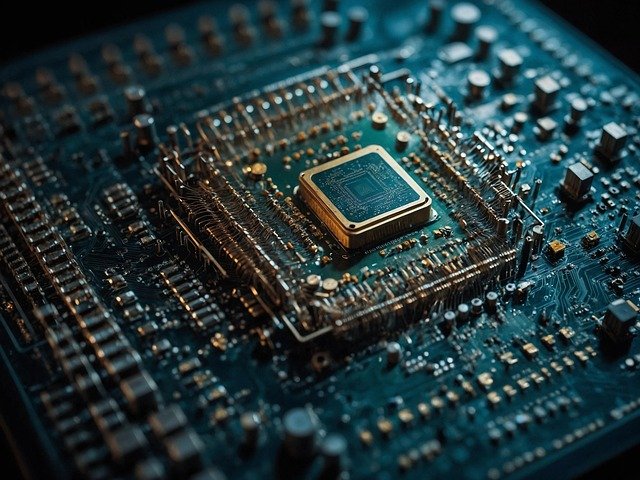
As digital innovation becomes more reliant on hardware, semiconductors have become essential to advancements in cloud computing, artificial intelligence, automotive systems, mobility solutions, and the Internet of Things. Companies are now setting themselves apart through custom silicon designed for optimal performance, energy efficiency, and specific workloads. From AI accelerators to edge computing devices, the foundation of innovation is now built from the ground up in silicon.
Transitioning from Software Services to Silicon Engineering
Indian IT firms are uniquely positioned to embrace this transition. Over the years, they have cultivated substantial expertise in embedded systems, VLSI design, firmware development, device drivers, and board-level validation. This solid groundwork is now enabling them to ascend the value chain into more advanced domains such as RTL design, design verification, design-for-test, post-silicon validation, and system-on-chip (SoC) co-design.
This evolution signifies a shift from traditional IT services to high-value semiconductor engineering, presenting a multi-year growth opportunity that aligns with global demand.
Strong Policy Support and Ecosystem Development
India’s ambitions in the semiconductor space are robustly supported by government initiatives. The ₹76,000 crore India Semiconductor Mission, along with programs like the Design Linked Incentive (DLI) scheme, OSAT incentives, and electronics manufacturing clusters, is providing long-term visibility and confidence for investments.
As fabrication units, OSAT facilities, and electronics manufacturing gain traction, the demand for a comprehensive and capable design ecosystem is rapidly increasing. Indian IT companies, with their scale and engineering prowess, are ideally suited to foster and develop this ecosystem.
Leveraging Talent for Global Impact
India’s most significant asset is its vast talent pool. Indian IT firms already employ thousands of engineers skilled in chip-related technologies. With targeted cross-skilling and upskilling initiatives, this workforce can be transformed into a formidable global semiconductor engineering force.
The demand for silicon engineering is on the rise, driven by the growth of AI, electric vehicles, 5G, and the upcoming 6G networks, robotics, and edge devices. Companies that excel in chip-to-cloud integration—linking semiconductors, communication layers, and cloud platforms—will spearhead this next wave of innovation.
Beyond Design: The Role of IT in Semiconductor Operations
The semiconductor boom also opens up significant IT opportunities beyond chip design. Advanced fabrication plants and OSAT units require robust IT systems for manufacturing execution (MES), logistics, supply chain planning, predictive maintenance, and real-time factory automation.
Indian IT firms possess proven expertise in enterprise software and large-scale systems integration, making them essential partners for achieving operational excellence throughout the semiconductor value chain.
A Strategic Opportunity for the Future
As pricing pressures and commoditisation challenge traditional IT services, semiconductor engineering presents Indian firms with a pathway to higher-value, R&D led growth. The semiconductor market in India is projected to reach $103.4 billion by 2030, propelled by domestic demand, global supply chain diversification, and ongoing policy support.
By investing in talent, infrastructure, and strategic partnerships, Indian IT companies can capture a significant share of this growth and position India as a global hub for semiconductor design and innovation.
— Gilroy Mathew, Chief Operating Officer, UST