
Introduction:
The Indian power sector is booming as it tries to deploy cleaner and smarter power generation for its large population and the industries. The total installed capacity is expected to exceed 500 GW by 2030, with emphasis on renewables, including solar and wind, to achieve climate goals. The article features the top 10 power generation companies in this sector, responsible for offering homes with energy and operating factories and livelihoods.
| Company Name | Key Focus | M Cap (Approx. Rs Cr) | Estimated Capacity (GW) |
| NTPC Ltd. | Thermal & Green Energy | 3,14,269 | 85.0 |
| Adani Power | Thermal Power | 2,74,209 | 18.5 |
| Adani Green Energy | Solar & Wind | 1,67,699 | 16.7 |
| Tata Power | Integrated | 1,21,966 | 15.7 |
| JSW Energy | Thermal & Renewables | 83,788 | 13.0 – 13.5 |
| NHPC Ltd. | Hydroelectric | 78,713 | 8.33 – 9.0 |
| Torrent Power | Integrated & Gas-based | 65,467 | 5.0 – 6.5 |
| NLC India | Lignite-based & Solar | 34,656 | 6.7 – 8.0 |
| SJVN Ltd. | Hydro & Solar | 29,136 | 4.0 – 5.5 |
| ACME Solar | Solar & Storage | 14,005 | 4.5 – 5.0 |
NTPC Ltd

- Established year: 1975
- Sector: Public (PSU)
NTPC is India’s largest power producer, owned by the government. The company runs thermal plants using coal and gas, but is shifting to renewables. By the end of 2026, NTPC’s total capacity is projected to be roughly 99 GW, which includes upcoming solar and wind projects. The company is the backbone of India’s energy system.
NTPC has recently invested in ultra-efficient coal plants and the Mahi Banswara Nuclear project to reduce pollution while adding large solar farms in Rajasthan and Gujarat. The company is also targeting more than 60 GW of renewable energy by 2032, as part of efforts to reduce India’s reliance on Coal-based electricity.
Adani Green Energy
- Established year: 2015
- Sector: Private
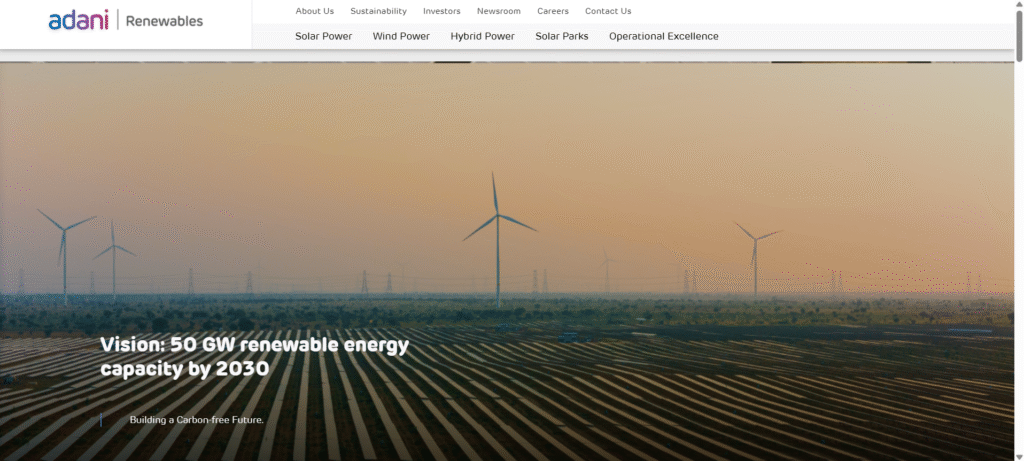
AGEL leads in renewable power, part of the massive Adani Group. The company builds solar and wind farms located in sunny and windy areas of the country, such as Gujarat and Tamil Nadu. It launched the world’s largest solar park in Khavda, Gujarat, providing clean energy to millions.
Adani Green sells power to state grids and private utilities across the country as it attempts to increase affordable green electricity. Adani Green’s decision to invest in technology and innovation towards a sustainable future will play a key role in achieving the target of 500GW by 2030.
Adani Power

- Established year: 1996
- Sector: Private
Another Adani Group arm, Adani Power, is a purely thermal power player, unlike the sister firm, which focuses on “green” energy. It has large coal-based plants in States like Maharashtra and Karnataka. The company maintains steady power during peak demand, which is necessary for manufacturing industries like steel and cement. Adani Power has also entered the hydro power segment through partnerships in Bhutan to have a balanced portfolio.
Tata Power

- Established year: 1911
- Sector: Private
Tata Power is one of the oldest and most reliable power-generating companies in India. It is a part of the trusted Tata Group, handling everything from power generation to transmission and delivering it to your home. Its installed capacity is expected to hit 18 GW, with more than half from clean sources.
The company is an early leader in rooftop solar for homes and electric vehicle charging stations. Tata Power targets a 33 GW green portfolio by 2030. The company caters to cities such as Mumbai and Delhi to ensure smooth supply. Its plan involves smart grids and pumped-hydro storage for surplus energy. Tata aims for green power by 2030 as India shifts to EVs and digital energy management.
JSW Energy
- Established year: 1994
- Sector: Private
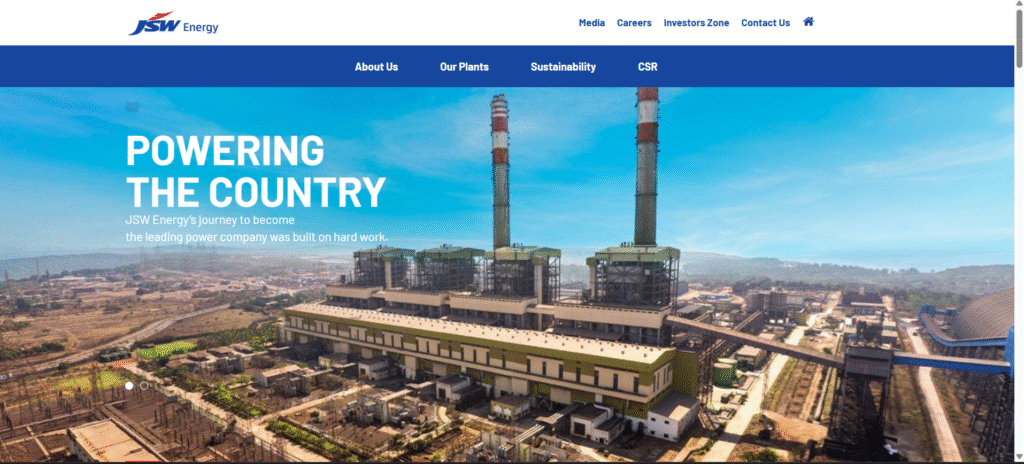
In recent years, JSW Energy, a part of the JSW Group, has shifted to green energy. It is known for its efficient operations in states such as Karnataka and Rajasthan. The company intends for a majority of its total capacity to be from renewable sources. JSW is at the forefront of BESS (Battery Energy Storage System) and Pumped Hydro.
This is important because solar power is generated only during the day; a storage system makes that energy available to use at night. Its capacity is forecasted at 15 GW, with rapid additions in green energy. JSW has focused on cost-effective plants that use less fuel, saving money and the environment. The company emphasises hybrid systems for stable output. JSW Energy supports industrial hubs, ensuring power for manufacturing and exports.
NHPC
- Established year: 1975
- Sector: Public (PSU)
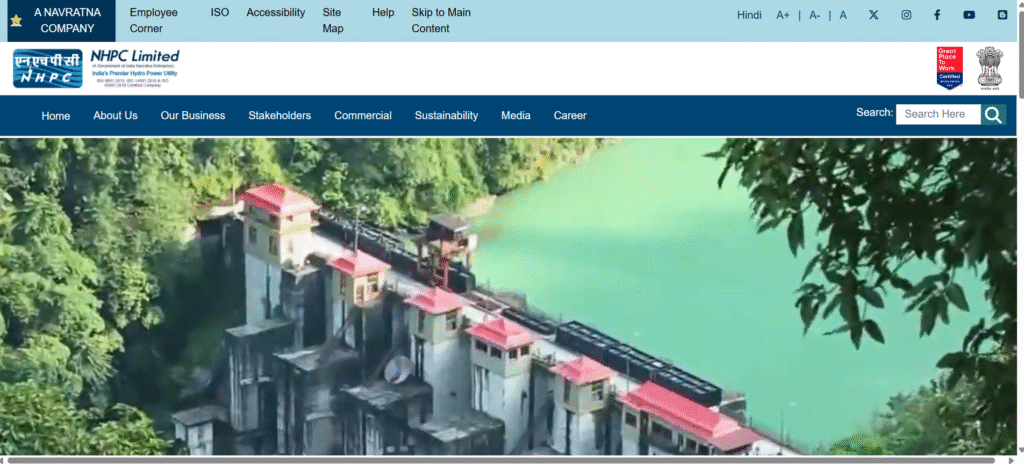
National Hydroelectric Power Corporation is a government-owned leader in hydropower, harnessing river water for clean electricity. It runs major dams in states like Himachal Pradesh and Uttarakhand. The firm’s capacity is expected to exceed 9 GW, including new hydro and solar additions.
NHPC recently declared to have fully commissioned the Subansiri Lower Project (2000 MW), India’s largest hydropower plant. Most of their new projects are in the Northeast, providing energy to remote regions and helping manage floods. The company has overcome challenges like tough terrain to build reliable plants. NHPC contributes significantly to India’s hydro potential.
ACME Solar
- Established year: 2003
- Sector: Private
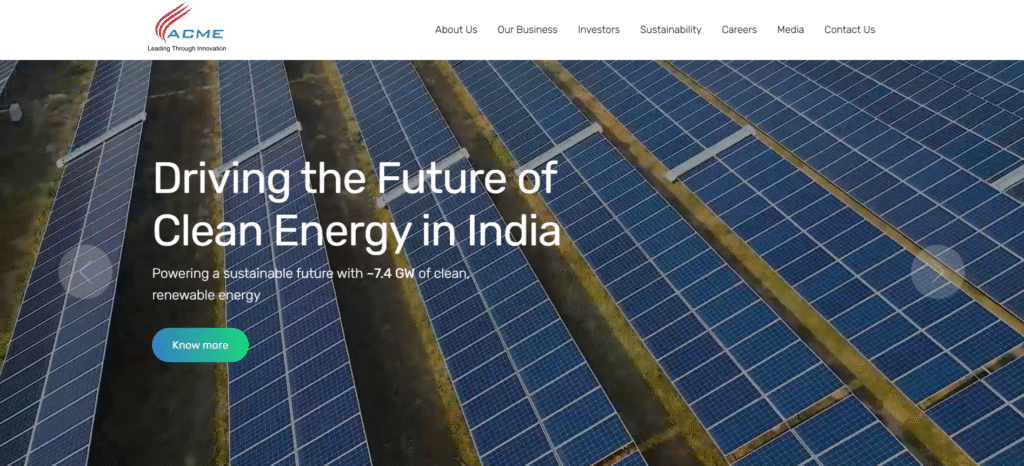
ACME Solar is a rising star in the Indian power sector, privately owned and focused on solar innovation. ACME commissioned one of the world’s first integrated green hydrogen and green ammonia plants in Rajasthan. Its operational capacity will reach 4 GW, with expansions in Gujarat and Andhra Pradesh.
ACME is a global leader in innovation, offering supply even at night using storage. The company has raised international funds for advanced tech. ACME’s target is 10 GW by 2030, including green hydrogen produced from solar. It generates rural jobs and supports farmers through dual-use land for solar and agriculture, making renewable energy more inclusive.
SJVN
- Established year: 1988
- Sector: Public (PSU)
Sathttps://sjvn.nic.in/luj Jal Vidyut Nigam is a joint venture between the Government of India and Govt of Himachal Pradesh. It has evolved from a regional player in a hydro energy generation company to a national power utility. It now operates in India and neighbouring countries like Nepal. It is working on massive hydro projects like the Buxar Thermal Plant and the Arun-III in Nepal.
It is also expanding into wind generation and pumped storage to enhance grid stability. It is targeting to have 25 GW capacity by 2040 and to trade power across the borders. SJVN focuses on community development around the projects, such as schools and roads, turning it into a socially responsible power generator.
NLC India
- Established year: 1956
- Sector: Public (PSU)
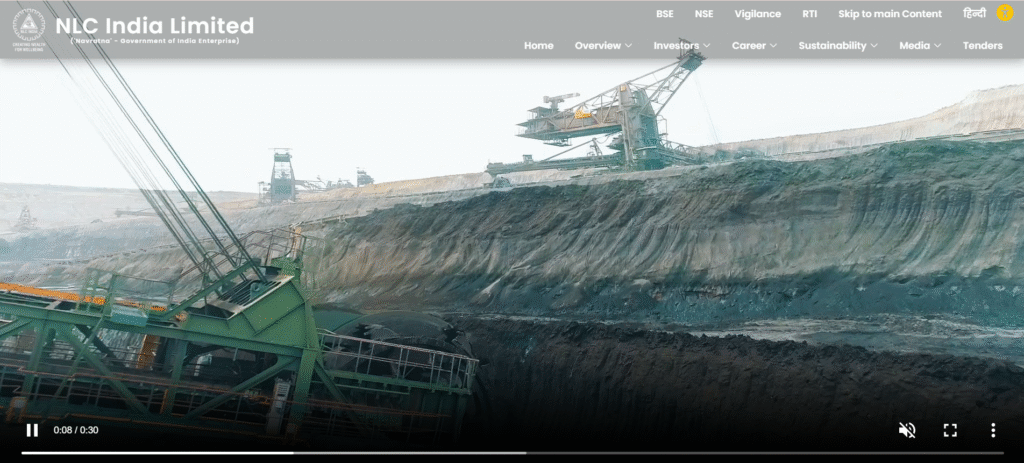
Neyveli Lignite Corporation is a government-operated power generation company that mines lignite and generates power. It integrates mining with electricity production. Its total capacity is expected to increase in 2026, including new solar farms. NLC has modernised old plants for better efficiency and lower emissions. It partners with others for wind and battery projects. Plans ahead focus on green mining and 5 GW renewables by 2030. NLC ensures energy security in southern India, where power demand is high from the IT and manufacturing sectors.
Torrent Power
- Established year: 1996
- Sector: Private
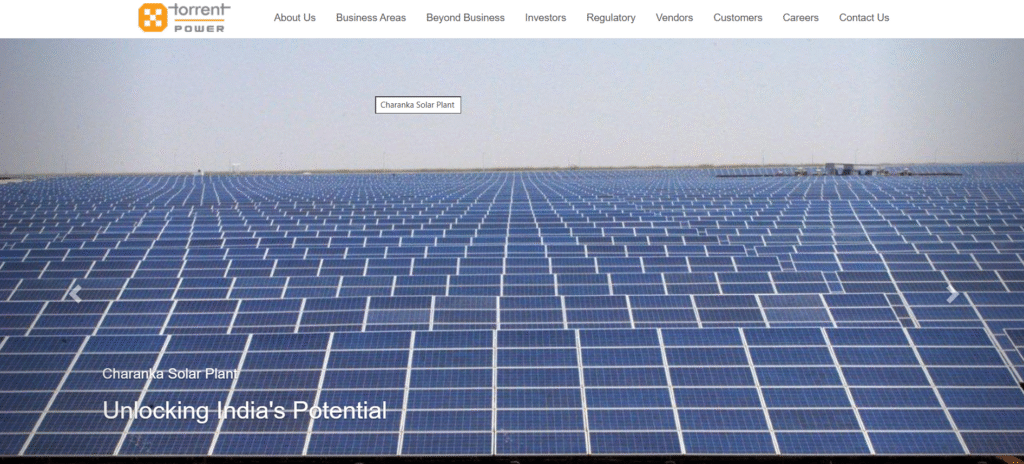
Torrent Power, a major player in urban India, especially in Gujarat, Uttar Pradesh, and Maharashtra. They are known for having the lowest power loss in the country. The firm produces energy and supplies it to consumers. Torrent serves urban areas like Ahmedabad with reliable distribution. The company invests in smart meters for efficient usage. Future strategies include increased energy production by 2030 and EV infrastructure.
Conclusion:
These top firms are reshaping India’s power generation and energy landscape in 2026. In the presence of government policies such as renewables subsidies and green hydrogen targets, the industry is positioned to grow further. They also confront the difficulties of integrating variable renewables into the grid and providing affordable power to everyone. The article mentioned ten power generation companies that are leading India towards a sustainable and self-reliant future.
FAQs:
What do power generation companies do in India?
They produce electricity using sources like coal, water, solar, wind, gas, and nuclear energy.
Why are power generation companies important for India’s growth?
They ensure a steady electricity supply for homes, industries, transport, and digital services.
Which types of power sources are most common in India?
Thermal, hydro, solar, wind, and nuclear power are the main sources used in India.
Are renewable energy companies included among top power generators?
Yes, many top companies now focus strongly on solar, wind, and other renewable energy.
Is the Indian power sector growing in 2026?
Yes, the sector is growing fast due to rising electricity demand and clean energy projects.
Do government companies dominate power generation in India?
Both government-owned and private companies play major roles in power generation.
How do power companies help in reducing carbon emissions?
They invest in renewable energy and cleaner technologies to lower pollution.
Can power generation companies sell electricity directly to consumers?
Some do, but most sell electricity to state utilities or power distribution companies.
What challenges do power generation companies face in India?
High fuel costs, environmental rules, and infrastructure limits are key challenges.
How does power generation affect electricity prices?
Efficient power generation helps keep electricity affordable and stable for consumers.