

Introduction
The United States continues to lead the global startup ecosystem, producing some of the world’s most valuable and innovative private technology companies. From Top AI and fintech to aerospace, cloud computing, and defense technology, American startups are transforming industries and shaping the future of business.
Several of these startups have achieved multi-billion-dollar valuations while remaining privately held. They serve millions of customers worldwide, attract billions of dollars in venture capital, and compete with some of the world’s largest public companies. The rapid adoption of generative AI, cloud infrastructure, digital payments, and commercial space technology has further accelerated their growth over the past few years.
Cities such as San Francisco, New York, Seattle, Austin, Boston, and Los Angeles continue to be major startup hubs, supported by world-class universities, experienced entrepreneurs, strong venture capital networks, and a culture of innovation.
This article highlights the Top 10 Startups in the USA based on their market influence, innovation, valuation, revenue growth, funding, and industry impact.
OpenAI
Image Courtesy: OpenAI Official Website
| Founded | 2015 |
| Latest Valuation (2026) | Approximately US$852 billion |
| Estimated Annual Revenue (2026) | Approximately US$25 billion (annualized) |
| Total Funding Raised | Approximately US$178 billion |
| Latest Funding | US$122 billion (March 2026) |
| Major Investors | SoftBank, Microsoft, NVIDIA, Amazon, Andreessen Horowitz, TPG, MGX |
OpenAI has become one of the fastest-growing technology companies in history and is widely recognized as the global leader in generative artificial intelligence.
Today, OpenAI serves hundreds of millions of users and thousands of businesses across industries including healthcare, education, finance, software development, manufacturing, and customer service.
The company’s rapid expansion has been supported by one of the largest private funding rounds ever completed. In March 2026, OpenAI announced a US$122 billion funding round, bringing its post-money valuation to around US$852 billion.
OpenAI continues to invest heavily in AI research, global computing infrastructure, enterprise software, and next-generation foundation models, making it one of the most influential technology companies in the world.
SpaceX
Image Courtesy: SpaceX Official Website
| Founded | 2002 |
| Latest Valuation (2026) | Approximately US$1.25 trillion |
| Estimated Annual Revenue (2026) | Approximately US$45 billion |
| Total Funding Raised | More than US$20 billion |
| Latest Funding | Ongoing private share sales and secondary transactions |
| Major Investors | Founders Fund, Google, Fidelity, Sequoia Capital and others |
SpaceX has transformed the global space industry by dramatically reducing the cost of launching satellites and developing reusable rocket technology. Since its founding, the company has successfully launched thousands of satellites, completed numerous NASA missions, and become the world’s leading commercial launch provider.
Its Starlink satellite internet business has become one of the fastest-growing broadband services globally, providing high-speed internet connectivity across more than one hundred countries. Alongside Starlink, SpaceX generates revenue from commercial launches, government contracts, cargo missions, and human spaceflight.
With an estimated valuation exceeding US$1 trillion, SpaceX remains one of the most valuable private companies in the world and continues attracting strong investor interest through private funding and secondary share transactions.
Stripe
Image Courtesy: Stripe Official Website
| Founded | 2010 |
| Latest Valuation (2026) | Approximately US$50 billion (latest primary valuation) |
| Estimated Annual Revenue (2026) | More than US$8 billion |
| Total Funding Raised | More than US$9 billion |
| Latest Funding | Employee liquidity and private financing rounds |
| Major Investors | Sequoia Capital, Andreessen Horowitz, Thrive Capital, General Catalyst |
Stripe has become one of the world’s leading financial technology companies by simplifying online payments for businesses of all sizes. Its software allows companies to accept payments, manage subscriptions, detect fraud, issue corporate cards, and automate financial operations through a single platform.
Millions of businesses, ranging from startups to Fortune 500 companies, rely on Stripe to process digital transactions. Major customers include technology firms, e-commerce platforms, software companies, marketplaces, and subscription-based businesses operating across more than 40 countries.
Beyond payment processing, Stripe has expanded into banking services, embedded finance, tax automation, billing, identity verification, treasury management, and business lending. This broader product ecosystem has helped the company strengthen its competitive position in the rapidly evolving fintech industry.
Databricks
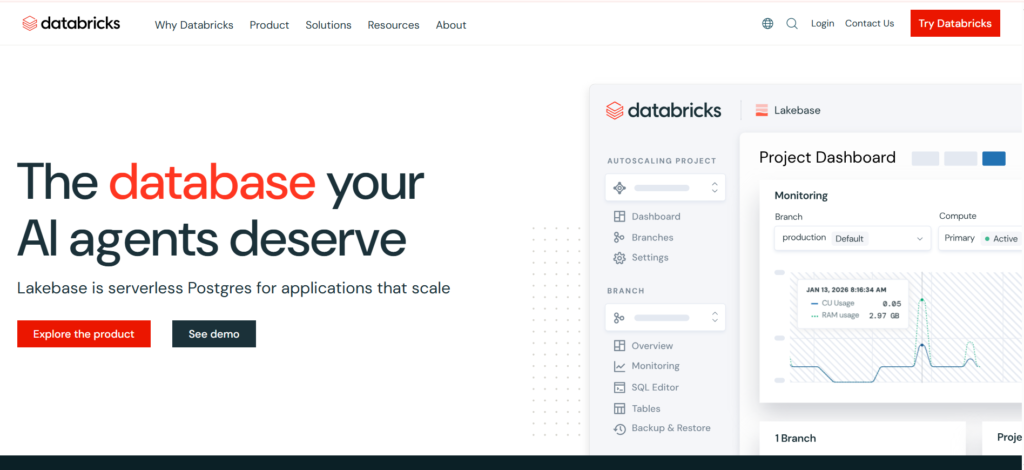
Image Courtesy: Databricks Official Website
| Founded | 2013 |
| Latest Valuation (2026) | Approximately US$188 billion |
| Estimated Annual Revenue (2026) | Around US$5.4 billion (annualized run rate) |
| Total Funding Raised | More than US$27 billion |
| Latest Funding | US$3 billion strategic funding round (2026) |
| Major Investors | Coatue, Andreessen Horowitz, NEA, Insight Partners, Fidelity, CapitalG, Microsoft |
Databricks has become one of the world’s fastest-growing enterprise software companies by helping organizations manage, analyze, and build artificial intelligence applications using massive volumes of data. Built on the Apache Spark framework, the company pioneered the Lakehouse Platform, which combines the capabilities of data warehouses and data lakes into a single cloud-based solution.
Today, more than 20,000 organizations, including around 70% of the Fortune 500, use Databricks for data engineering, machine learning, analytics, and Generative AI.
Databricks has experienced remarkable financial growth over the past few years. In 2026, the company reported an annualized revenue run rate of approximately US$5.4 billion, representing more than 65% year-over-year growth. This rapid expansion has been driven by increasing enterprise demand for AI infrastructure, cloud analytics, and data management solutions. In 2026, Databricks signed a US$3 billion strategic funding round led by Coatue, increasing its valuation to approximately US$188 billion.
Anthropic

Image Courtesy: Anthropic Official Website
| Founded | 2021 |
| Latest Valuation (2026) | Approximately US$965 billion |
| Estimated Annual Revenue (2026) | Around US$47 billion (annualized run rate) |
| Total Funding Raised | More than US$100 billion |
| Latest Funding | US$65 billion Series H (2026) |
| Major Investors | Amazon, Google, Sequoia Capital, Altimeter Capital |
Anthropic has rapidly emerged as one of the strongest competitors in the artificial intelligence industry. Founded by former OpenAI researchers, the company focuses on developing safe, reliable, and enterprise-ready AI systems. Its flagship family of AI models, Claude, is widely used for coding, content generation, research, customer support, business automation, and enterprise productivity.
Anthropic’s financial growth has been equally impressive. In 2026, the company announced that its annualized revenue had exceeded US$47 billion, making it one of the fastest-growing software companies in history. This rapid growth has been supported by strategic partnerships with Amazon Web Services and Google Cloud, both of which provide significant cloud infrastructure for Claude’s deployment.
In May 2026, Anthropic completed a US$65 billion Series H funding round, valuing the company at approximately US$965 billion. The funding was led by Altimeter Capital, Dragoneer, Greenoaks, and Sequoia Capital, with participation from several global investment firms. The company plans to use the new capital to expand AI research, increase computing capacity, and accelerate enterprise product development.
Scale AI

Image Courtesy: Scale AI Official Website
| Founded | 2016 |
| Latest Valuation (2026) | Approximately US$29 billion |
| Estimated Annual Revenue (2026) | Around US$1 billion |
| Total Funding Raised | Approximately US$1.6 billion |
| Latest Major Investment | Strategic US$14 billion Meta partnership (2026) |
| Major Investors | Meta, Accel, Founders Fund, Tiger Global, Index Ventures |
Scale AI has become one of the world’s leading providers of AI infrastructure and high-quality training data for machine learning models.
Today, Scale AI works with many of the world’s largest technology companies and government agencies, helping them develop reliable AI systems through data annotation, model evaluation, reinforcement learning, and AI application development.
The company has continued to grow rapidly alongside the global AI boom. Scale AI reported close to US$1 billion in annual revenue while signing more than US$1 billion in new business, driven by increasing demand for enterprise AI solutions and public-sector contracts. The company is also expanding its AI applications business, which is expected to become a major contributor to future revenue.
One of the biggest developments in 2026 was Scale AI’s strategic partnership with Meta, which included a deal valued at approximately US$14 billion.
Anduril Industries
Image Courtesy: Anduril Industries Official Website
| Founded | 2017 |
| Latest Valuation (2026) | US$61 billion |
| Estimated Annual Revenue (2025) | US$2.2 billion |
| Total Funding Raised | More than US$11 billion |
| Latest Funding Round | US$5 billion Series H (May 2026) |
| Major Investors | Andreessen Horowitz, Thrive Capital, Founders Fund, Fidelity, General Catalyst |
Anduril Industries has emerged as one of the fastest-growing defense technology startups in the United States. Founded by Oculus VR creator Palmer Luckey and a team of experienced entrepreneurs, the company develops autonomous defense systems powered by artificial intelligence.
Its flagship Lattice AI platform enables defense organizations to monitor, analyze, and respond to security threats in real time. The company serves customers including the U.S. Department of Defense, the Department of Homeland Security, and allied governments around the world.
The company’s financial growth has been remarkable. Revenue more than doubled to an estimated US$2.2 billion in 2025, driven by increasing defense spending and large government contracts.
Ramp
Image Courtesy: Ramp Official Website
| Founded | 2019 |
| Latest Valuation (2026) | US$44 billion |
| Estimated Annualized Revenue (2026) | More than US$1.5 billion |
| Total Funding Raised | Approximately US$3 billion |
| Latest Funding Round | US$750 million (June 2026) |
| Major Investors | ICONIQ Capital, GIC, Founders Fund, Lightspeed Venture Partners, General Catalyst |
Ramp has become one of the fastest-growing fintech companies in the United States by helping businesses reduce unnecessary spending and automate financial operations. Its platform combines corporate cards, expense management, bill payments, procurement, travel booking, accounting automation, and financial reporting into a single solution.
Thousands of startups, mid-sized businesses, and large enterprises use Ramp to improve financial efficiency and simplify back-office operations. The company’s AI-powered automation tools help finance teams process invoices, manage approvals, detect duplicate expenses, and generate real-time spending insights, reducing manual work and improving operational efficiency.
Ramp’s strong financial performance has attracted significant investor interest. In June 2026, the company raised US$750 million in a funding round led by ICONIQ Capital, GIC, and Ontario Teachers’ Pension Plan, increasing its valuation to US$44 billion. Ramp also announced that its annualized revenue had surpassed US$1.5 billion, reflecting rapid customer growth and continued expansion of its financial software platform.
Rippling
Image Courtesy: Rippling Official Website
| Founded | 2016 |
| Latest Valuation (2026) | US$16.8 billion (latest primary valuation) |
| Estimated Annualized Revenue (2026) | Around US$1 billion |
| Total Funding Raised | Approximately US$1.4 billion |
| Latest Funding Round | US$450 million Series G (2025) |
| Major Investors | Kleiner Perkins, Founders Fund, Greenoaks, Sequoia Capital, Y Combinator |
Rippling has transformed the way businesses manage employees by combining human resources, payroll, IT management, identity access, device management, and finance operations into one integrated platform. Instead of relying on multiple software products, companies can manage the complete employee lifecycle through a single system.
The platform serves organizations ranging from startups to large enterprises across more than 50 countries. Its automation capabilities simplify onboarding, payroll processing, benefits administration, compliance management, software provisioning, and employee device management. The company has expanded rapidly by continuously introducing new products for finance and global workforce management.
Rippling continues to experience strong growth. Industry estimates place its annualized revenue at approximately US$1 billion, while its latest primary funding round valued the company at US$16.8 billion. The business continues expanding internationally as demand for integrated workforce management platforms grows among global employers.
Perplexity AI

Image Courtesy: Perplexity AI Official Website
| Founded | 2022 |
| Latest Valuation (2026) | Approximately US$20 billion (latest primary valuation) |
| Estimated Annualized Revenue (2026) | More than US$150 million (industry estimates) |
| Total Funding Raised | More than US$900 million |
| Latest Funding Round | 2026 strategic funding round |
| Major Investors | NVIDIA, SoftBank, IVP, NEA, Jeff Bezos, Databricks Ventures |
Perplexity AI is one of the fastest-growing artificial intelligence startups in the United States. The company has developed an AI-powered search engine that delivers conversational answers supported by cited sources, providing users with a faster and more interactive alternative to traditional web search.
Since its launch, Perplexity has attracted millions of users, including students, researchers, software developers, and business professionals.
Investor confidence in Perplexity has grown alongside the broader AI market. The company reached a primary valuation of approximately US$20 billion during its latest funding activities and has raised more than US$900 million from leading venture capital firms and technology investors. As AI-powered search continues to evolve, Perplexity is positioning itself as one of the most promising challengers to conventional search engines and enterprise knowledge platforms.
Why These Startups Stand Out
These companies are among the most influential private technology firms in the United States because they have achieved strong growth while developing products that address large global markets.
Several common factors contribute to their success:
- Artificial Intelligence Leadership: OpenAI, Anthropic, Scale AI, Databricks, and Perplexity AI are helping define the next generation of AI applications, infrastructure, and enterprise software.
- Industry Transformation: Stripe and Ramp are simplifying financial operations for businesses, while Rippling is modernizing HR and workforce management.
- Advanced Engineering: SpaceX continues to reshape commercial spaceflight and satellite internet, while Anduril is bringing AI and autonomous systems into defense technology.
- Global Customer Base: Most of these startups serve customers across North America, Europe, Asia-Pacific, and other international markets.
- Strong Venture Capital Support: Backing from leading investors has enabled these companies to invest heavily in research, product development, hiring, and global expansion.
The graph below compares the top U.S. startups based on their latest valuation, estimated annual revenue, total funding raised, and primary industry, highlighting their scale, growth, and market leadership.
Future Outlook
Artificial intelligence is expected to remain the biggest driver of startup growth over the coming years. Businesses are rapidly adopting AI to automate workflows, improve customer service, accelerate software development, and gain deeper insights from data.
At the same time, industries such as financial technology, defense technology, cloud computing, cybersecurity, and commercial space exploration continue to attract significant investment. Startups that successfully combine innovation with scalable business models are likely to remain at the forefront of the global technology ecosystem.
Many of the companies featured in this article are also considered strong candidates for future public listings, although their timelines will depend on market conditions and strategic priorities.
Conclusion
The United States remains the world’s leading startup ecosystem, producing companies that are transforming industries through innovation, technology, and entrepreneurship. From OpenAI’s advances in generative AI to SpaceX’s breakthroughs in reusable rockets and satellite connectivity, these startups are pushing the boundaries of what technology can achieve.
Companies such as Stripe, Databricks,chatgpt,Anthropic, Scale AI, Anduril Industries, Ramp, Rippling, and Perplexity AI are also redefining sectors including financial services, enterprise software, defense, and AI-powered search. Their continued investment in research, product development, and global expansion positions them to play a significant role in shaping the future of the digital economy.
As artificial intelligence, cloud computing, automation, and advanced engineering continue to evolve, these startups are expected to remain among the most influential private technology companies in the world. Their innovations not only drive economic growth and create employment opportunities but also influence how businesses and consumers interact with technology every day.
FAQs:
Which is the biggest startup in the USA?
OpenAI and SpaceX are among the largest private startups in the United States by valuation.
What is a startup company?
A startup is a young company created to develop innovative products or services with high growth potential.
Which U.S. startup has the highest valuation?
SpaceX is widely regarded as one of the highest-valued private startups in the United States.
Is OpenAI still a startup?
Yes, OpenAI is a privately held AI company and is considered one of the world’s leading startups.
Which startup is leading the AI industry?
OpenAI, Anthropic, and Scale AI are among the leading AI startups in the United States.
What does Stripe do?
Stripe provides online payment processing and financial software for businesses worldwide.
Why is Databricks popular?
Databricks helps organizations manage data, analytics, and artificial intelligence on a unified cloud platform.
What products does Anduril Industries develop?
Anduril develops AI-powered defense systems, autonomous drones, and surveillance technologies.
What is Ramp known for?
Ramp offers corporate cards and expense management software to help businesses control spending.
What services does Rippling provide?
Rippling combines HR, payroll, IT, and employee management into a single software platform.
How is Perplexity AI different from traditional search engines?
Perplexity AI provides conversational answers with source citations instead of only listing web links.
Which industries are attracting the most startup investment in the USA?
Artificial intelligence, fintech, cloud computing, cybersecurity, and defense technology are attracting the highest investments.
Why do investors fund U.S. startups?
Investors support U.S. startups because of their innovation, scalability, and strong global growth potential.
Which city has the most technology startups in the USA?
San Francisco remains the leading startup hub, followed by New York, Boston, Austin, and Seattle.
Why are U.S. startups important to the global economy?
U.S. startups drive innovation, create jobs, attract investment, and develop technologies used worldwide.