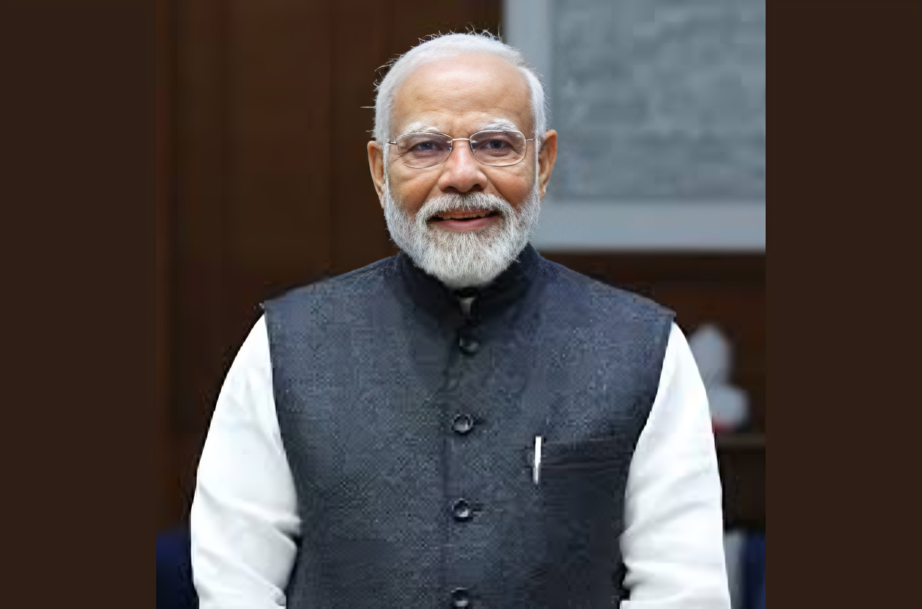
On National Startup Day, Prime Minister Narendra Modi congratulated India’s vibrant startup ecosystem, highlighting startups as vital engines of transformation that are shaping the nation’s economic and social landscape. As we approach the tenth anniversary of the Startup India initiative in 2026, the Prime Minister reflected on the incredible journey of Indian entrepreneurship, noting that more than 50 new startups emerge every day.
In his message shared on X, Prime Minister Modi celebrated the significance of innovation, risk-taking, and youthful ambition in fostering a robust and self-reliant economy. He expressed that the decade-long journey of Startup India is a tribute to the courage and entrepreneurial spirit of India’s youth, who have been instrumental in establishing the country as a prominent global startup hub.
A Decade of Policy-Driven Growth
Over the past ten years, the Startup India initiative has successfully transformed innovative concepts into scalable businesses through structured policy support, enhanced access to funding, mentorship, and streamlined compliance processes. As of December 2025, official data indicates that India boasts over two lakh DPIIT-recognised startups, positioning it among the largest and most dynamic startup ecosystems worldwide.
The Prime Minister pointed out that today’s startups are not only driving economic growth but are also tackling urgent societal and environmental issues. He expressed pride in the entrepreneurs who have dared to defy traditional norms, embraced risks, and made significant impacts through innovative solutions.
Government Reforms Paving New Paths
Emphasising the importance of governance, Prime Minister Modi noted that ongoing reforms have fostered a supportive environment for startups to venture into previously unexplored sectors. He highlighted that India’s reform-driven strategy has allowed startups to engage in complex fields such as space technology, defence manufacturing, and deep tech innovation.
He also recognised that the success of startups is bolstered by a broader ecosystem, crediting mentors, investors, incubators, academic institutions, and industry partners for their invaluable contributions. Their support has been crucial in nurturing young innovators and fortifying the startup value chain.
Entrepreneurship Beyond Major Cities
The growth of startups in India is becoming increasingly inclusive and geographically diverse. Nearly half of all recognised startups now hail from Tier II and Tier III cities, showcasing the widespread embrace of entrepreneurship across the nation. Startups are also playing a pivotal role in bridging the rural-urban divide through innovations in agri-tech, telemedicine, education, tourism, and microfinance.
Women-led entrepreneurship has emerged as a vital component of the ecosystem, with over 45 percent of recognised startups having at least one woman founder or director. This shift signifies a move towards more inclusive and balanced economic growth.
From Policy Initiative to Nationwide Movement
Initiated in 2016 under the Department for Promotion of Industry and Internal Trade (DPIIT) within the Ministry of Commerce and Industry, Startup India has transformed from a policy framework into a comprehensive nationwide movement. The initiative now supports startups throughout their entire lifecycle—from ideation and incubation to funding, mentorship, and scaling globally.
This transformation is evident in India’s expanding unicorn landscape, which has seen the number of unicorns rise from just four in 2014 to over 120 today, with a combined valuation exceeding USD 350 billion. Startups are not only generating employment across technology, manufacturing, and services but are also creating indirect jobs through supply chains and gig platforms.
Flagship Schemes Fueling Innovation
Several government-led initiatives have been crucial in driving startup growth. The Fund of Funds for Startups, with a corpus of ₹10,000 crore, has facilitated investments exceeding ₹25,500 crore across more than 1,370 startups. The Credit Guarantee Scheme for Startups has enabled collateral-free loans, while the Startup India Seed Fund Scheme supports early-stage innovation.
Programs like the National Mentorship Portal (MAARG), Atal Innovation Mission, MeitY Startup Hub, NIDHI, and Atal Tinkering Labs continue to nurture a strong pipeline of future entrepreneurs, reinforcing India’s vision of becoming a global innovation powerhouse.