Soap is the most common fast-moving consumer good (FMCG) in India. It is used in every single Indian household—regardless of socio-economic status and geographic location.
The Indian soap market is worth USD 4.03 billion and is set to grow to USD 7.78 billion by 2035 (CAGR: 6.80%). Over 95% of India’s soap production is bar soap, with herbal soap being the fastest-growing segment.
Hindustan Unilever Limited (HUL) takes the largest share (40+%), followed by Godrej, Wipro, ITC, and Reckitt Benckiser.
Here are the top 10 soap brands in India—who started them, who owns them, and what each one stands for.
Quick Comparison
| Rank | Brand | Parent Company | Founded | HQ | Segment |
| 1 | Lifebuoy | Hindustan Unilever Limited (HUL) | 1895 (UK); India from late 1800s | Mumbai | Health / Antibacterial |
| 2 | Lux | Hindustan Unilever Limited (HUL) | 1899 (UK); India 1929 | Mumbai | Beauty & Freshness |
| 3 | Dettol | Reckitt Benckiser (Reckitt) | 1933 | Gurgaon, Haryana | Health & Hygiene |
| 4 | Santoor | Wipro Consumer Care (Wipro Enterprises) | Late 1970s | Bengaluru | Natural / Beauty |
| 5 | Dove | Hindustan Unilever Limited (HUL) | 1957 (USA); India later | Mumbai | Skin Protection / Moisturising |
| 6 | Pears | Hindustan Unilever Limited (HUL) | 1807 (UK); India decades-old | Mumbai | Skin Protection / Sensitive |
| 7 | Godrej No. 1 | Godrej Consumer Products Ltd (GCPL) | 1920s | Mumbai | Beauty & Freshness / Affordable |
| 8 | Cinthol | Godrej Consumer Products Ltd (GCPL) | 1952 | Mumbai | Freshness & Fragrance |
| 9 | Patanjali | Patanjali Ayurved Limited | 2006 | Haridwar, Uttarakhand | Natural / Ayurvedic |
| 10 | Fiama | ITC Limited | 2007 | Kolkata | Premium / Skin Care |
Lifebuoy – India’s Most Popular Soap
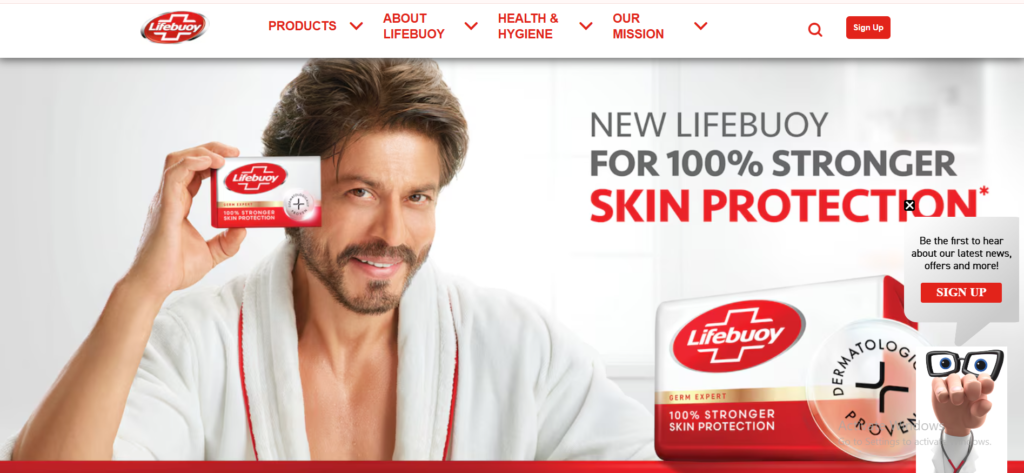
Image Courtesy: Lifebuoy(Official Website)
- Founded: 1895 (UK, by William Lever), India—since the late 19th century
- Owner: Hindustan Unilever Limited, a subsidiary of Unilever plc, UK
- HQ: Mumbai, Maharashtra
Lifebuoy soap was invented by William Lever—an English entrepreneur who aimed to combat the rampant cholera outbreaks in Victorian England.
It was the first antibacterial soap in history—and the Luxury self care brand was brought to India during the British colonial period.
According to HUL’s positioning, Lifebuoy is India’s favorite antibacterial soap. During the COVID-19 pandemic, Lifebuoy became India’s best-selling soap brand due to increased hygiene awareness. The brand is distributed in over 60 countries.
What to Know: Lifebuoy soap is used for general antibacterial protection and is popular among all socio-economic groups and in both urban and rural areas.
Variants: Lifebuoy Original, Total 10, Neem & Turmeric, Lemon Fresh, Handwash, Liquid Soap.
Lux – The Celebrity Soap
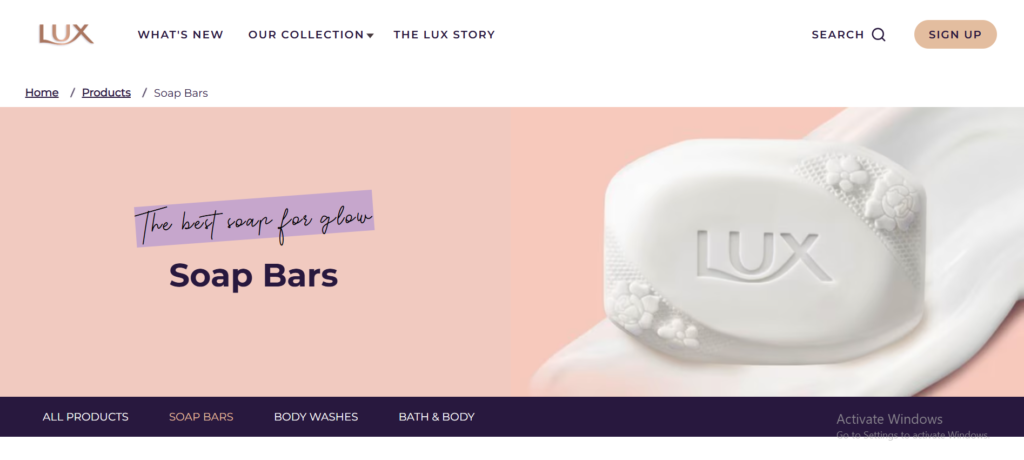
Image Courtesy: Lux(Official Website)
- Founded: 1899 (UK, by Lever Brothers); India—1929
- Owner: Hindustan Unilever Limited (HUL)
- HQ: Mumbai, Maharashtra
Lux has been India’s most popular and glamorous soap for nearly a century. It was launched in Britain by Lever Brothers in 1899 and later sold in India in 1929—where it became a favorite among Bollywood’s legendary and modern actresses—including Nargis, Kareena Kapoor, and others.
Lux owns the highest share (around 12.5%) among all beauty soaps in India, and it is a popular FMCG product in over 100 countries.
What to Know: Lux targets women and positions itself as a premium soap, using Bollywood celebrities in its ads and promoting the idea of soap as an indulgence.
Variants: Lux Velvet Touch, Soft Touch, Creamy Perfection, Botanicals Radiance, bar soap, body wash.
Dettol – The Hygiene Soap
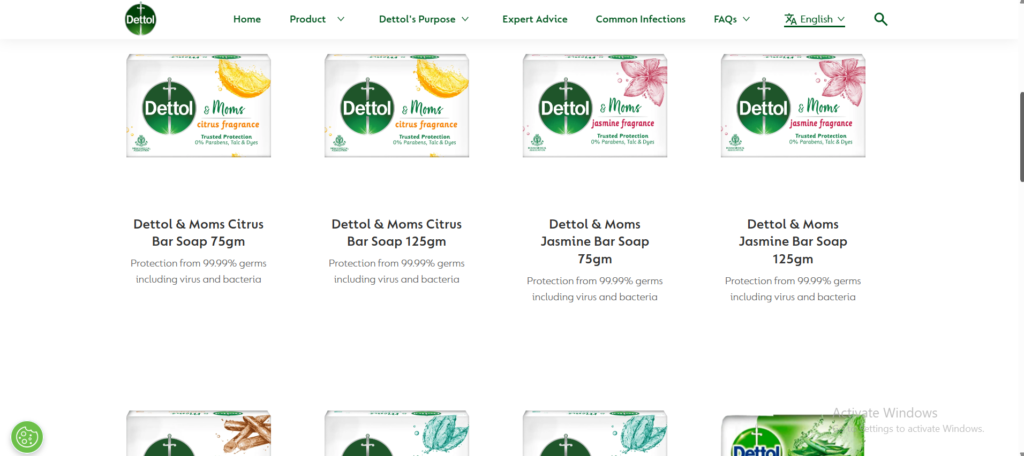
Image Courtesy: Dettol (Official Website)
- Founded: 1933
- Owner: Reckitt Benckiser (Reckitt), a UK-based consumer health and hygiene company
- HQ: Gurgaon, Haryana (India)
The Dettol brand was launched by Reckitt in 1933 as an antiseptic liquid. It later expanded its product line to include bar soap. Dettol is a household name in India and is considered one of the most trusted and recognizable hygiene brands.
It holds 4% of the total soap market and 18% of the health soap segment. It was the biggest-selling soap brand during the COVID-19 pandemic and continues to be popular.
What to Know: Dettol is a trusted antibacterial soap brand that partners with authorities on hygiene campaigns and is suitable for people with sensitive skin.
Variants: Dettol Original, Cool, Skincare, Sensitive, Gold, bar soap, handwash, body wash.
Santoor – Sandalwood & Turmeric Soap
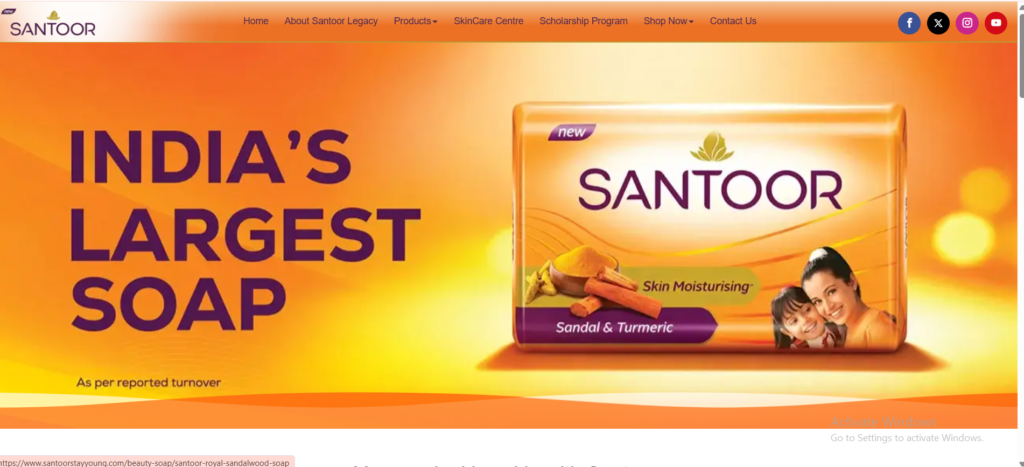
Image Courtesy: Santoor (Official Website)
- Founded: In the late 1970s
- Owner: Wipro Consumer Care (a division of Wipro Enterprises Pvt. Ltd., which is a part of the Wipro Group)
- HQ: Bengaluru, Karnataka
Santoor soap is made with sandalwood and turmeric and has been a staple in Indian households for decades.
It was the first Indian soap brand to cross ₹2 crore in sales and is now one of the most popular soap brands in South India. Other soap brands under Wipro Consumer Care include Chandrika, Yardley, and Softouch.
What to Know: Santoor is a natural soap brand that combines the traditional benefits of sandalwood and turmeric with modern skincare technology.
Variants: Santoor Original, White, Aloe Fresh, Glycerine, Sandal & Turmeric, bar soap, body wash.
Dove – Moisturizing Bar Soap
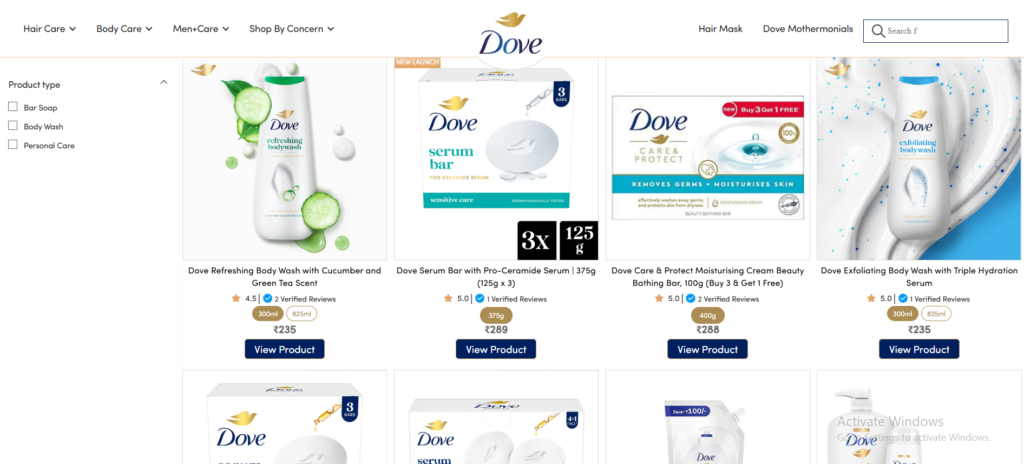
Image Courtesy: Dove(Official Website)
- Founded: 1957 (USA), India—later
- Owner: Hindustan Unilever Limited (HUL)
- HQ: Mumbai, Maharashtra
Dove was the first soap brand to introduce a moisturizing bar soap in the USA in 1957. The soap bar contained ¼ moisturizing cream and became a favorite among women with dry skin.
It is a premium soap brand that sells in 150+ countries and has a significant share (5%) of the Indian soap market. Hindustan Unilever Limited (HUL) is the exclusive distributor of Dove soap in India and promotes it as India’s No. 1 moisturizing bar soap.
What to Know: Dove soap is ideal for people with dry skin as it contains moisturizing cream.
Variants: Dove Original, Sensitive Moisture, Go Fresh, Men+Care, Baby, bar soap, body wash, lotion.
Pears – The World’s Oldest Soap Brand
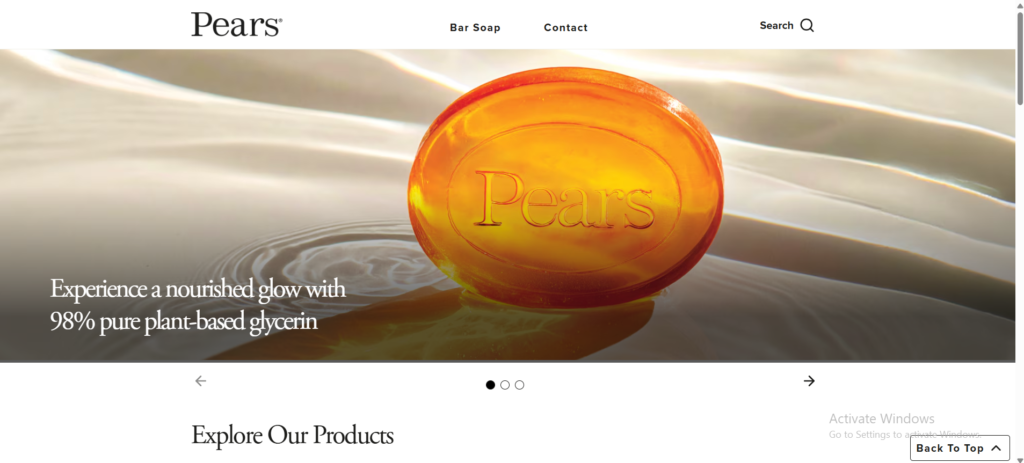
Image Courtesy: Pears(Official Website)
- Founded: 1807 (UK, by Andrew Pears)
- Owner: Hindustan Unilever Limited (HUL)
- HQ: Mumbai, Maharashtra
Pears is the world’s oldest soap brand, having been founded in London in 1807 by Andrew Pears.
This heritage brand has been sold in India for decades and is currently distributed by HUL. It is a glycerin-based, transparent, amber-colored bar soap that is gentle enough for a baby’s skin. It was one of the first soap brands to leverage celebrity endorsements.
What to Know: Pears is a gentle glycerin bar soap suitable for sensitive skin and babies.
Variants: Pears Pure & Gentle (amber), Oil Clear (Lemon Flower), Soft & Fresh (Mint), Pears Naturale.
Godrej No. 1 – The Affordable Beauty Bar
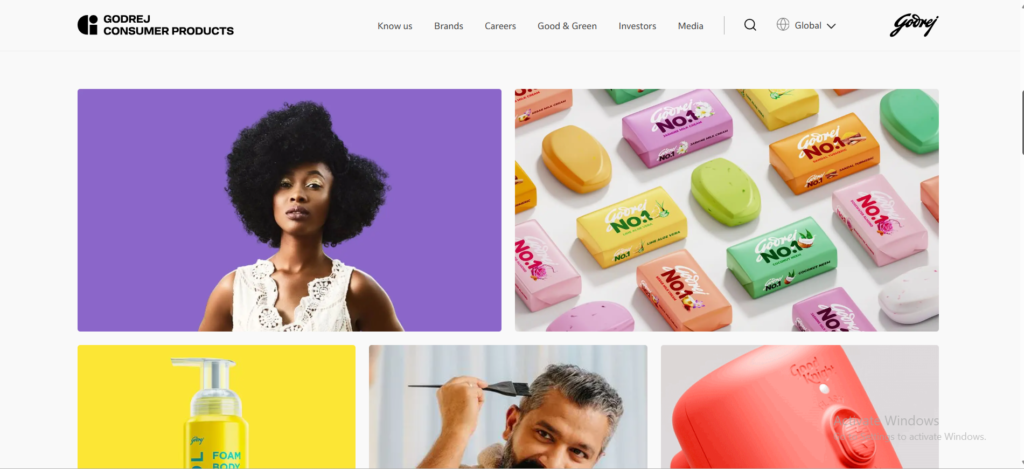
Image Courtesy: Godrej No. 1(Official Website)
- Founded: In the 1920s
- Owner: Godrej Consumer Products Limited (GCPL) – part of Godrej Group
- HQ: Mumbai, Maharashtra
Godrej Group, a conglomerate founded in 1897, has been in the soap-making business since the 1920s and launched Godrej No. 1.
It is the third-largest soap brand in India by volume and competes with Lux and Santoor. It appeals to the mass market by offering affordable yet natural beauty bar soap. Other soap brands under Godrej Consumer Products Limited (GCPL) are Cinthol and Godrej Protekt.
What to Know: Godrej No. 1 is a value-for-money beauty bar soap made with natural ingredients.
Variants: Godrej No. 1 Sandal & Milk Cream, Neem & Aloe Vera, Rose & Milk Protein.
Cinthol – The Fragrance Bar Soap
Image Courtesy: Cinthol (Official Website)
- Founded: 1952
- Owner: Godrej Consumer Products Limited (GCPL)
- HQ: Mumbai, Maharashtra
Cinthol was launched as Godrej’s first personal care brand in 1952 and became a household name. It is a premium bar soap brand that has been associated with freshness and energy since its launch.
It is positioned as a fragrance soap with deodorizing properties, appealing to men who want to feel fresh after a long day.
What to Know: Cinthol is a long-lasting freshness bar soap with deodorizing properties.
Variants: Cinthol Original, Lime, Cool, Deo, Intense, bar soap, body wash.
Patanjali – The Ayurvedic Soap Brand
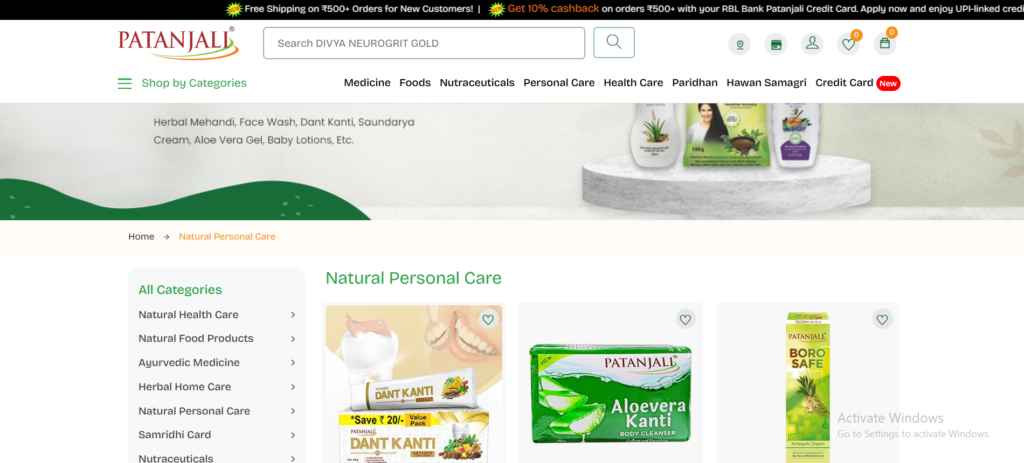
Image Courtesy: Patanjali (Official Website)
- Founded: 2006
- Owners: Baba Ramdev and Acharya Balkrishna
- HQ: Haridwar, Uttarakhand
Patanjali Ayurved was launched in 2006 and has since been challenging the established soap brands by offering natural, affordable soap bars.
It competes with HUL and Godrej in the mass market and has a significant presence in the natural soap segment. Its popularity is attributed to Baba Ramdev’s influence and Acharya Balkrishna’s business acumen.
What to Know: Patanjali soap bars are made with neem, aloe vera, sandalwood, and turmeric and are marketed as a natural alternative to mainstream soap brands.
Variants: Patanjali Neem & Tulsi Kanti, Aloe Vera Kanti, Rose Kanti, Haldi Chandan Kanti, Panchagavya.
Fiama – ITC’s Premium Bathing Bar Soap
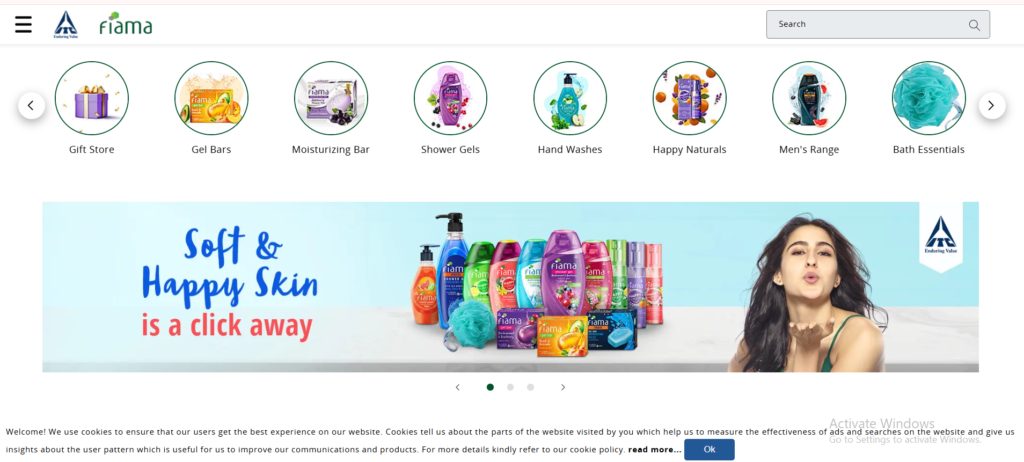
Image Courtesy: Fiama(Official Website)
- Founded: 2007
- Owner: ITC Limited (a diversified conglomerate)
- HQ: Kolkata, West Bengal
Fiama is the premium soap brand launched by ITC Limited in 2007. ITC forayed into the personal care space in 2005 and later launched Fiama, which was previously known as Fiama Di Wills. It is a skin-protecting soap brand that targets urban consumers.
What to Know: Fiama is a premium bathing bar soap brand with dermatologist-recommended skin-care formulations.
Variants: Fiama Aqua Pulse, Blackcurrant & Bearberry, Peach & Avocado, Fiama Men, bathing bars, shower gels.
FAQs
What is India’s best-selling soap brand?
Lux is the best-selling soap brand in India in the beauty segment, with a market share of 12.5%. Lifebuoy is the best-selling health soap brand in India. HUL is the largest soap company in India with over 40% market share.
What is the best soap for germs and bacteria?
Dettol and Lifebuoy are the best soap brands for germ and bacteria protection.
What is the best soap for dry and sensitive skin?
Dove soap bars contain moisturizing cream, and Pears is a glycerin-based soap bar suitable for sensitive skin, including babies.
What is the best soap for natural/herbal ingredients?
Santoor, Patanjali, and Godrej No. 1 are the best soap brands in India that use natural ingredients.
What company owns the most soap brands in India?
HUL owns the most soap brands in India, including Lux, Lifebuoy, Dove, Pears, Hamam, and Liril.
Conclusion
India’s soap market is home to a diverse set of players, from a century-old antibacterial soap brand (Lifebuoy) to a premium skin-care soap bar (Fiama) and an Ayurvedic challenger (Patanjali).
These soap brands understand India’s diverse consumer base with varying preferences and budgets.
HUL has the largest portfolio of soap brands, and Reckitt has been able to build a successful empire on one soap brand (Dettol). Wipro has been able to connect with Indian consumers on the strength of two natural ingredients (sandalwood and turmeric).
Patanjali has disrupted the market by leveraging the star power of Baba Ramdev. India’s soap market will continue to grow, fueled by urbanization, a growing middle class, and innovation in herbal and liquid soaps. The most successful soap brands will be those that understand their consumers’ needs and wants.