

The banking industry plays a major role in the growth and stability of the United States economy. From personal savings accounts and mortgages to corporate lending, investment banking, wealth management, and digital payments, banks provide essential financial services to millions of individuals and businesses.
The United States has one of the world’s largest and most advanced banking systems. It includes global financial giants with trillions of dollars in assets, as well as regional and community banks serving local customers.
The largest banks in the country have built their positions through extensive branch networks, digital banking platforms, acquisitions, investment services, and international operations. These institutions influence not only the American economy but also global financial markets.
Based on the latest available Federal Reserve data for U.S. domestically chartered commercial banks, here is a look at the Top 10 Banks in USA by consolidated assets.
Top 10 Banks in USA: Quick Overview
| Rank | Bank | Headquarters | Consolidated Assets* |
|---|---|---|---|
| 1 | JPMorgan Chase Bank | Columbus, Ohio | $4.02 Trillion |
| 2 | Bank of America | Charlotte, North Carolina | $2.67 Trillion |
| 3 | Citibank | Sioux Falls, South Dakota | $1.93 Trillion |
| 4 | Wells Fargo Bank | Sioux Falls, South Dakota | $1.85 Trillion |
| 5 | Goldman Sachs Bank USA | New York, New York | $751.8 Billion |
| 6 | U.S. Bank | Cincinnati, Ohio | $683.4 Billion |
| 7 | Capital One | McLean, Virginia | $672 Billion |
| 8 | PNC Bank | Wilmington, Delaware | $567.9 Billion |
| 9 | Truist Bank | Charlotte, North Carolina | $541.2 Billion |
| 10 | Bank of New York Mellon | New York, New York | $467.3 Billion |
Asset figures are based on Federal Reserve data as of March 31, 2026.
1. JPMorgan Chase Bank
JPMorgan Chase is the largest bank in the United States and one of the most influential financial institutions in the world.
The company traces its roots back more than two centuries and has grown through mergers, acquisitions, and the expansion of its financial services. Today, JPMorgan Chase serves consumers, small businesses, corporations, governments, and institutional clients.
Its consumer banking operations are widely known through the Chase brand. Customers can access checking and savings accounts, credit cards, mortgages, auto loans, and digital banking services.
JPMorgan Chase also has a major presence in investment banking, asset management, commercial banking, and global markets.
With more than $4 trillion in consolidated assets, JPMorgan Chase holds the top position among U.S. domestically chartered commercial banks.
Key Services:
- Consumer and retail banking
- Credit cards
- Commercial banking
- Investment banking
- Asset and wealth management
- Digital financial services
Its combination of consumer banking and Wall Street operations makes JPMorgan Chase one of the most diversified banks in the global financial industry.
2. Bank of America
Bank of America is the second-largest bank in the United States by consolidated assets.
Headquartered in Charlotte, North Carolina, Bank of America has developed into one of the country’s leading providers of consumer banking, corporate banking, investment services, and wealth management.
The bank operates an extensive network of financial centers and digital banking platforms. Its mobile and online services allow customers to manage accounts, make payments, transfer money, and access other financial products.
Bank of America’s investment banking and wealth management businesses are also significant parts of its operations.
Its Merrill business provides wealth management and investment services to individuals and institutions.
Key Services:
- Checking and savings accounts
- Credit cards
- Home loans
- Business banking
- Investment banking
- Wealth management
With approximately $2.67 trillion in consolidated assets, Bank of America remains one of the dominant forces in American banking.
3. Citibank
Citibank is one of the most internationally recognized names in the financial services industry.
Citibank is part of Citigroup and has historically maintained a strong international presence. Its global operations have helped the institution become an important provider of banking and financial services for multinational companies and institutional clients.
In the United States, Citi provides consumer banking products such as credit cards, deposit accounts, and lending services. The company is also known for its corporate and investment banking operations.
Citibank’s international network has traditionally been one of its major strengths.
Key Services:
- Consumer banking
- Credit cards
- Corporate banking
- Investment banking
- Treasury and transaction services
- Wealth management
According to the Federal Reserve’s March 2026 ranking, Citibank had approximately $1.93 trillion in consolidated assets.
4. Wells Fargo Bank
Wells Fargo is one of the most recognizable banking brands in the United States.
The institution has a long history and has built a large customer base through its consumer and commercial banking operations.
Wells Fargo provides services across multiple financial categories, including checking accounts, savings accounts, credit cards, mortgages, personal loans, and business banking.
The company has historically been particularly significant in the U.S. mortgage market and maintains a broad physical and digital banking presence.
Key Services:
- Personal banking
- Mortgage services
- Credit cards
- Auto loans
- Small business banking
- Commercial banking
- Wealth and investment services
With around $1.85 trillion in consolidated assets, Wells Fargo remains one of the four largest commercial banks in the United States.
5. Goldman Sachs Bank USA

Goldman Sachs is one of the world’s best-known investment banking institutions.
Unlike traditional consumer-focused banks, Goldman Sachs built its reputation primarily through investment banking, securities, trading, asset management, and advisory services.
The company works with corporations, governments, financial institutions, and investors around the world.
Goldman Sachs has played an important role in major mergers, acquisitions, public offerings, and other large financial transactions.
Over time, the company has also expanded into additional financial services and banking activities.
Key Services:
- Investment banking
- Financial advisory
- Asset management
- Securities and trading
- Wealth management
- Institutional financial services
Goldman Sachs Bank USA reported approximately $751.8 billion in consolidated assets in the Federal Reserve’s March 2026 ranking.
6. U.S. Bank
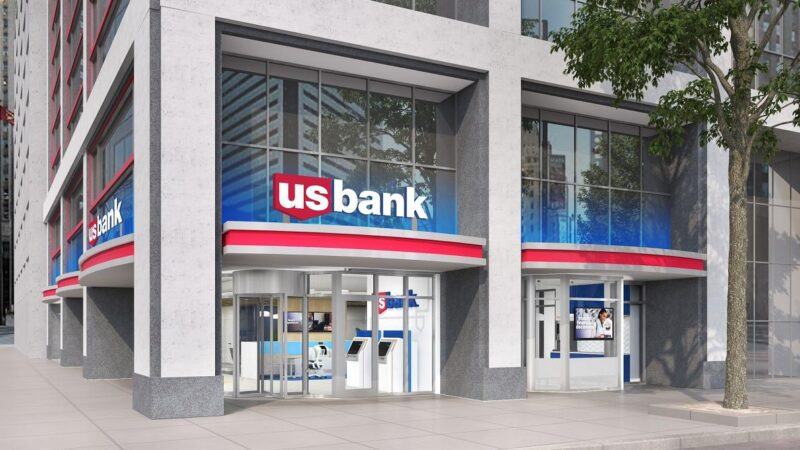
U.S. Bank is one of the largest traditional banking institutions in the United States.
It operates under the broader U.S. Bancorp organization and provides a wide range of consumer, commercial, and institutional financial services.
U.S. Bank has built a strong presence in retail banking while also serving businesses and large organizations.
Its services include deposit accounts, lending, credit cards, payment solutions, and wealth management.
Key Services:
- Personal banking
- Business banking
- Credit cards
- Payment processing
- Commercial lending
- Wealth management
With approximately $683.4 billion in consolidated assets, U.S. Bank ranks among the biggest banking institutions in America.
Its diversified services make it an important competitor to the country’s larger Wall Street and consumer banking giants.
7. Capital One
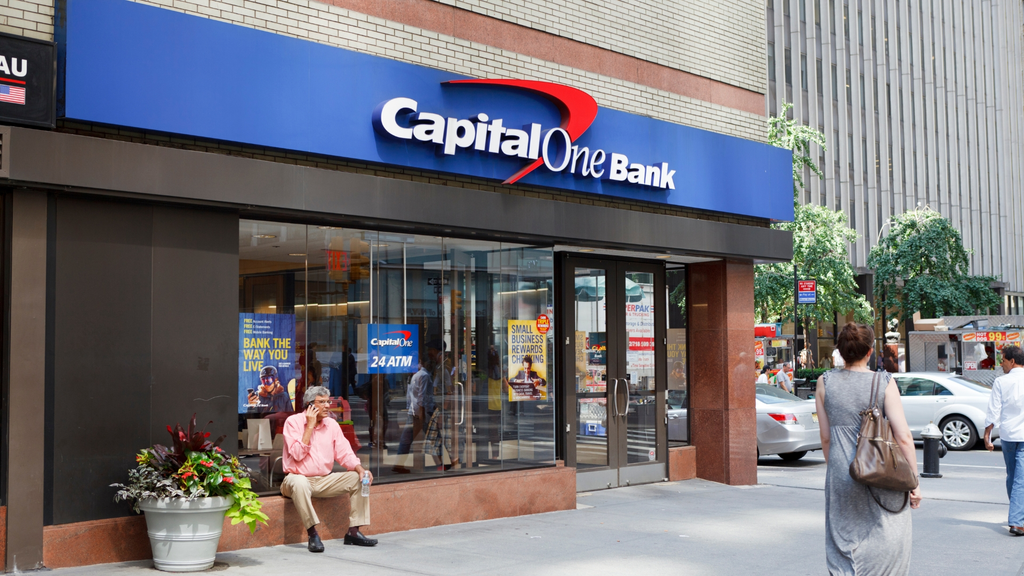
Capital One is one of the most prominent consumer-focused financial institutions in the United States.
The company became widely known for its credit card business and later expanded significantly into banking and other consumer financial services.
Capital One offers checking and savings accounts, credit cards, auto financing, and commercial banking services.
Technology and digital banking have become important parts of the company’s business strategy.
Capital One has invested heavily in digital experiences and data-driven financial services.
Key Services:
- Credit cards
- Checking accounts
- Savings accounts
- Auto loans
- Commercial banking
- Digital banking
Capital One had around $672 billion in consolidated assets as of March 31, 2026.
The company remains particularly important in the American credit card and consumer finance markets.
8. PNC Bank
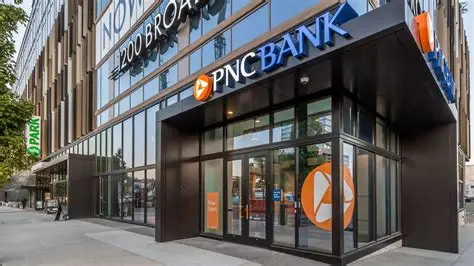
PNC Bank is one of the largest regional banking organizations in the United States.
PNC provides financial services to consumers, small businesses, corporations, and institutional clients.
The bank has expanded its footprint across several regions of the United States and combines traditional branch banking with digital financial services.
PNC also provides treasury management, corporate lending, investment services, and wealth management solutions.
Key Services:
- Consumer banking
- Business banking
- Corporate lending
- Treasury management
- Wealth management
- Digital banking
With approximately $567.9 billion in consolidated assets, PNC is one of the most significant regional banking institutions in the country.
Its broad range of services allows it to compete with both national banking giants and smaller regional banks.
9. Truist Bank

Truist was created through the merger of BB&T and SunTrust Banks.
The merger brought together two major banking organizations and created one of the largest banks in the United States.
Truist serves individual consumers, businesses, corporations, and institutions.
The company has continued investing in digital banking while maintaining a significant physical branch presence.
Key Services:
- Personal banking
- Business banking
- Mortgages
- Credit cards
- Commercial banking
- Investment and wealth services
Truist had approximately $541.2 billion in consolidated assets in the Federal Reserve’s March 2026 ranking.
The company represents an important example of how consolidation has reshaped the American banking industry.
10. Bank of New York Mellon
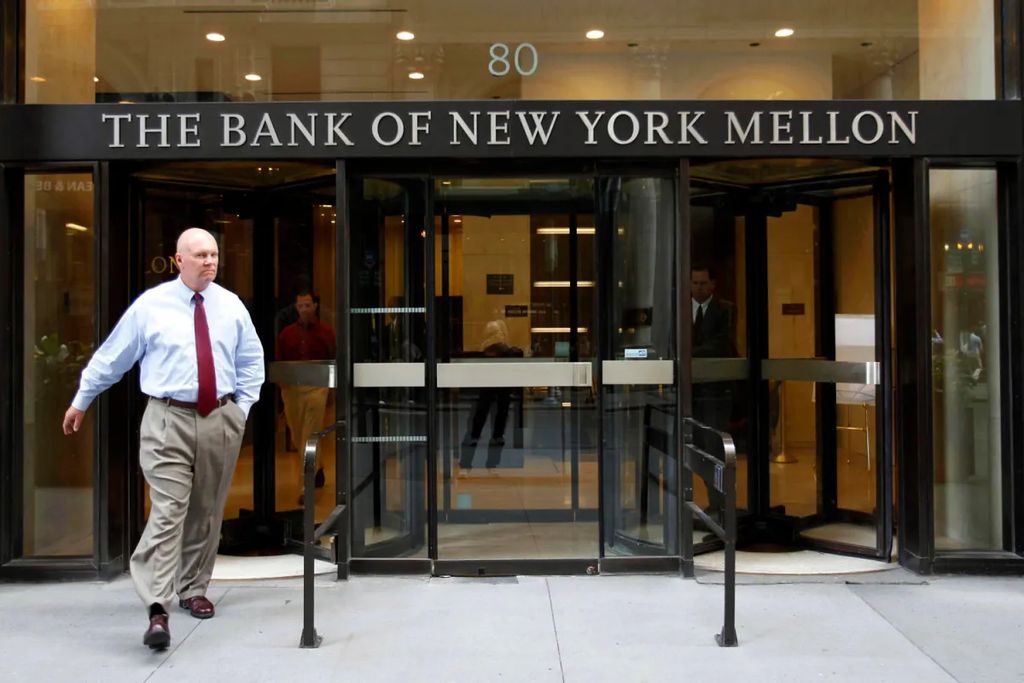
BNY, commonly known as BNY, is one of the oldest and most historically significant banking institutions in the United States.
Unlike banks primarily focused on consumer checking accounts and retail branches, BNY has a major presence in investment services, custody, asset servicing, and institutional financial operations.
The company works with financial institutions, corporations, governments, and investment organizations.
Its business model makes it particularly important to global financial infrastructure.
Key Services:
- Asset servicing
- Securities custody
- Investment management
- Treasury services
- Wealth services
- Institutional banking
With approximately $467.3 billion in consolidated assets, Bank of New York Mellon completes the top 10 ranking based on the latest available Federal Reserve data.
How Do the Largest Banks in the USA Compare?
The largest banks in America differ significantly in their business models.
Some institutions, such as JPMorgan Chase, Bank of America, and Wells Fargo, have large consumer banking operations and serve millions of everyday customers.
Others, including Goldman Sachs and BNY, are more heavily focused on institutional clients, investment services, capital markets, and wealth management.
Banks such as Capital One have built particularly strong positions in consumer lending and credit cards, while PNC and Truist have significant regional banking operations.
This diversity is one reason the U.S. banking system is so extensive. Different institutions focus on different customer groups and financial services.
The Federal Reserve’s March 2026 data shows a clear concentration of assets among the country’s largest institutions, with JPMorgan Chase maintaining a substantial lead over the rest of the commercial banking sector.
Why Are Large Banks Important to the U.S. Economy?
Large banks play several important roles in the economy.
They provide loans to individuals purchasing homes, cars, and other major assets. They also provide financing to businesses, ranging from small companies to multinational corporations.
Major banks additionally support the economy through payment systems, credit cards, investment services, and financial infrastructure.
Their investment banking divisions help companies raise capital through stock and bond offerings. Commercial banking divisions provide financing for business expansion and operations.
At the same time, the size and influence of major banks mean they operate under significant regulatory oversight.
Financial regulators monitor capital levels, liquidity, risk management, and other aspects of large banking institutions.
The Future of Banking in the USA
The American banking industry continues to change as technology becomes increasingly important.
Mobile banking, artificial intelligence, digital payments, cybersecurity, and automated financial tools are transforming how customers interact with banks.
Traditional banks are also competing with fintech companies that offer specialized financial products and digital-first experiences.
However, large banks continue to have major advantages because of their established customer bases, capital resources, regulatory infrastructure, and broad product portfolios.
The future of the industry will likely involve a combination of traditional banking services and increasingly advanced digital technology.
Artificial intelligence could help banks improve customer service, fraud detection, risk analysis, and operational efficiency. Meanwhile, digital payment systems are expected to remain an important area of competition.
Conclusion
The Top 10 Banks in USA represent some of the most powerful institutions in the global financial system.
JPMorgan Chase leads the ranking with more than $4 trillion in consolidated assets, followed by Bank of America, Citibank, and Wells Fargo.
Meanwhile, institutions such as Goldman Sachs, U.S. Bank, Capital One, PNC, Truist, and BNY demonstrate the diversity of the American banking sector.
From everyday checking accounts and credit cards to investment banking and global asset servicing, these organizations support millions of customers and businesses.
As technology continues transforming financial services, the largest banks in the United States are expected to remain central players in the country’s economic and financial future.
Frequently Asked Questions
Which bank is the largest in the United States?
JPMorgan Chase Bank is the largest U.S. domestically chartered commercial bank by consolidated assets, according to the latest available Federal Reserve data.
What are the Big Four banks in the United States?
The four largest banks by consolidated assets are JPMorgan Chase, Bank of America, Citibank, and Wells Fargo.
Which bank has the most assets in the USA?
JPMorgan Chase has the highest consolidated assets among U.S. domestically chartered commercial banks.
Is Bank of America bigger than Wells Fargo?
Yes. Based on the Federal Reserve’s March 2026 data, Bank of America has significantly more consolidated assets than Wells Fargo.
Is Citibank bigger than Wells Fargo?
Based on the March 2026 Federal Reserve ranking of domestically chartered commercial banks, Citibank ranks above Wells Fargo by consolidated assets.
Which is the best-known investment bank in the USA?
Goldman Sachs is one of the most internationally recognized investment banking institutions in the United States.
What services do major banks provide?
Major banks provide services such as savings and checking accounts, loans, mortgages, credit cards, investment banking, commercial banking, wealth management, and payment services.
How many banks are there in the United States?
The United States has a large and diverse banking system consisting of thousands of banks, including major national institutions, regional banks, and community banks.
What is the difference between commercial banking and investment banking?
Commercial banking generally focuses on deposits, loans, and everyday banking services. Investment banking focuses more on capital raising, mergers and acquisitions, securities, and corporate financial advisory services.
Why are large banks important?
Large banks provide financing, payment infrastructure, investment services, and other financial products that support consumers, businesses, governments, and the wider economy.