
The United Kingdom has developed one of Europe’s strongest software-as-a-service (SaaS) ecosystems. From accounting and cybersecurity to artificial intelligence, payments and business management, UK-based SaaS companies serve customers across the world.
SaaS refers to software delivered through the internet, usually through subscriptions rather than traditional one-time software purchases. The model has become increasingly important because businesses can access continuously updated software without maintaining extensive IT infrastructure themselves.
The UK’s SaaS sector includes established companies such as Sage as well as newer technology businesses such as Synthesia and Thought Machine. Industry databases track thousands of SaaS companies operating in the country, demonstrating the depth of the ecosystem.
This article highlights 10 of the top SaaS companies in the UK, considering factors such as scale, market presence, product innovation, customer reach and influence on the technology industry.
Top 10 SaaS Companies in UK – Quick Overview
| Rank | Company | Founded | Headquarters | Main SaaS Focus |
|---|---|---|---|---|
| 1 | Sage | 1981 | Newcastle upon Tyne | Accounting, finance, HR & payroll |
| 2 | Darktrace | 2013 | Cambridge | Cybersecurity & AI |
| 3 | Synthesia | 2017 | London | AI video creation |
| 4 | Thought Machine | 2014 | London | Cloud banking |
| 5 | Paddle | 2012 | London | SaaS payments & billing |
| 6 | GoCardless | 2011 | London | Recurring payments |
| 7 | Quantexa | 2016 | London | Data analytics & risk |
| 8 | Multiverse | 2016 | London | AI-powered workforce training |
| 9 | Cloudsmith | 2016 | Belfast | Software supply-chain management |
| 10 | Cognism | 2015 | London | B2B sales intelligence |
Sage
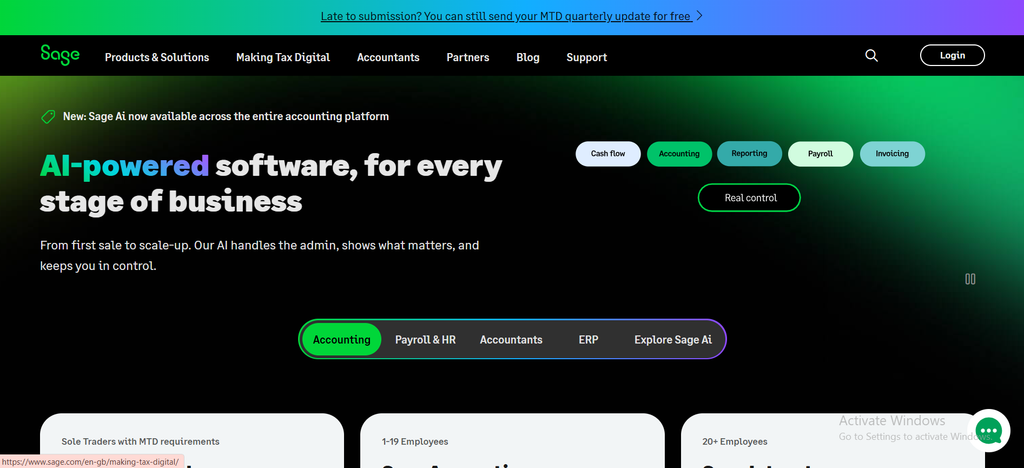
Image Courtesy: Sage / Official Website
Sage is one of the UK’s most established software companies and one of its most recognizable SaaS businesses. Founded in 1981 and headquartered in Newcastle upon Tyne, the company provides accounting, financial management, payroll and HR solutions.
Its products are particularly popular among small and medium-sized businesses that need software to manage essential financial and administrative operations.
Sage has increasingly shifted its business toward cloud-based subscriptions and AI-powered services. Its latest results demonstrate the scale of this transition.
For the nine months ended June 2026, Sage reported recurring revenue of £2.000 billion, while software subscription revenue increased 13% to £1.740 billion. Subscription products represented 84% of its software revenue during the period.
The company is also integrating AI into its products through features such as Sage Copilot and intelligent agents. Its strong recurring-revenue model makes Sage one of the UK’s largest and most mature SaaS businesses.
Darktrace
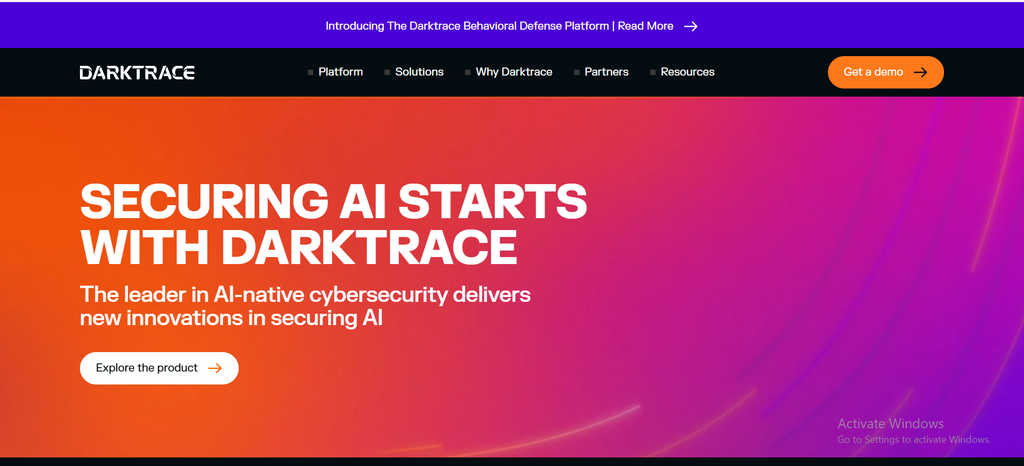
Image Courtesy: Darktrace / Official Website
Darktrace is a Cambridge-founded cybersecurity company that uses artificial intelligence and machine learning to help organizations identify and respond to cyber threats.
The company became one of the UK’s best-known cybersecurity technology businesses after developing systems designed to detect unusual behavior within networks and digital environments.
Darktrace’s SaaS model allows organizations to access cybersecurity capabilities without building the entire technology stack internally.
Its growth demonstrates the increasing importance of cloud-based security solutions as businesses move more operations online.
Cybersecurity is also one of the UK’s strongest technology sectors, with Darktrace frequently appearing among major British software and technology companies.
Synthesia
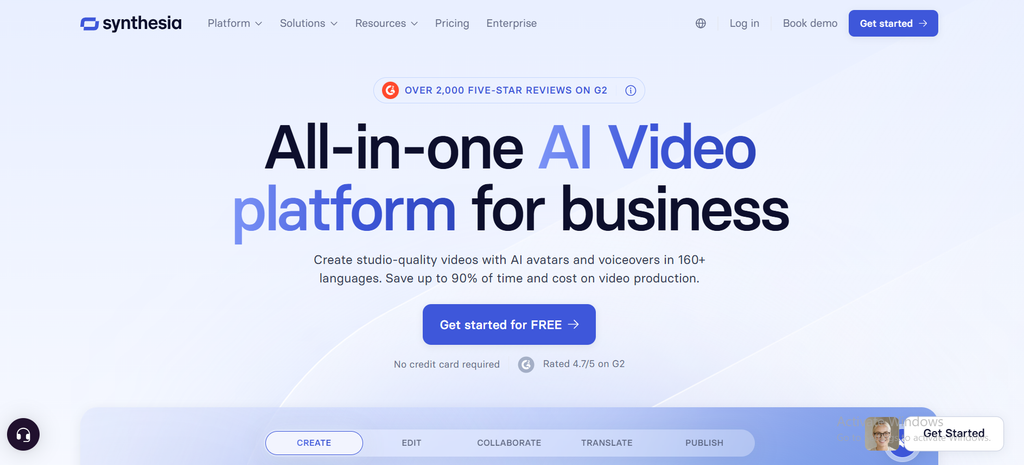
Image Courtesy: Synthesia / Official Website
Synthesia is a London-based AI video platform that has become one of the UK’s most prominent generative-AI software companies.
The platform allows businesses to create videos using AI-generated presenters and automated production tools. This can help companies produce training, marketing, internal communications and educational content without conventional video-production processes.
Synthesia has benefited from the rapid growth of generative AI and the increasing demand for software that can automate creative and business workflows.
Its position in the UK SaaS ecosystem has strengthened significantly in recent years, frequently appearing in top UK software and AI rankings.
The company demonstrates how the UK’s SaaS industry is expanding beyond traditional business applications into AI-powered creative tools.
Thought Machine
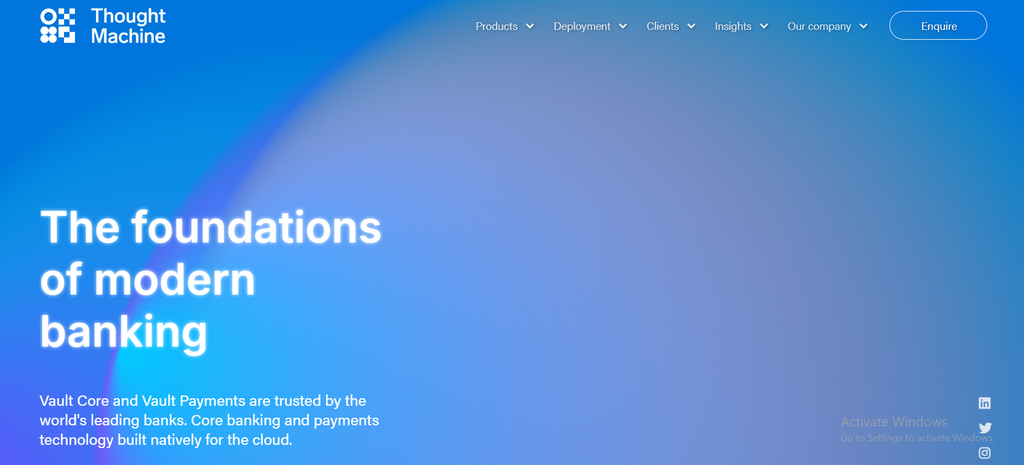
Image Courtesy: Thought Machine / Official Website
Thought Machine is a London-based fintech software company specializing in cloud-native banking technology.
Its flagship platform, Vault, provides financial institutions with technology for building and operating banking products in the cloud.
Instead of requiring banks to depend entirely on traditional legacy banking infrastructure, Thought Machine provides modern software designed for flexible digital banking operations.
The company has attracted significant attention from financial institutions around the world and has become one of the UK’s leading banking-technology companies.
Thought Machine is frequently identified among notable British SaaS and core-banking technology businesses.
Its success highlights a major advantage of SaaS: specialized software can allow large, highly regulated organizations to modernize complex systems without developing every component themselves.
Paddle
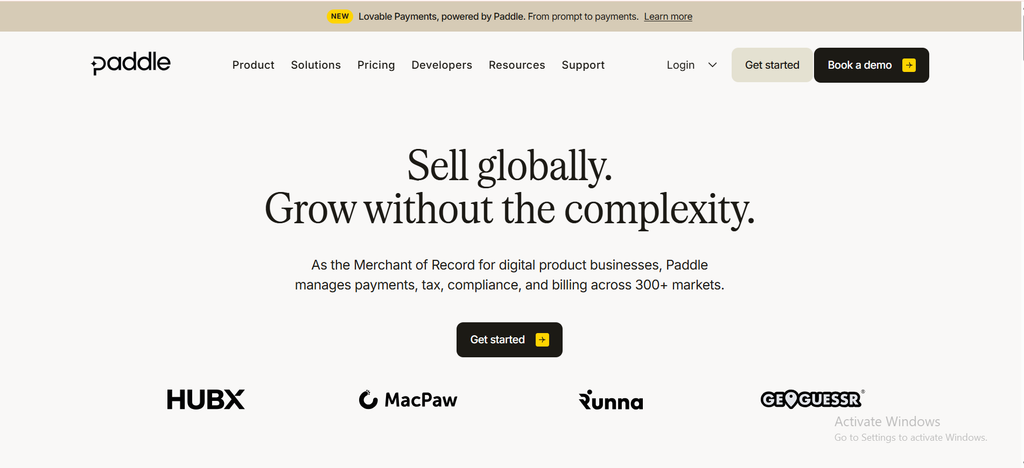
Image Courtesy: Paddle / Official Website
Paddle is a London-based SaaS payments and billing company designed primarily for software businesses.
Its platform helps SaaS companies manage payments, subscriptions, billing, tax and related operational requirements.
This is particularly useful for software businesses selling internationally because subscription businesses often have to manage multiple currencies, taxes, payment methods and customer billing requirements.
Paddle operates in the infrastructure layer of the SaaS ecosystem. Rather than being a conventional business application used by consumers, it provides technology that helps other software companies operate their businesses.
The company’s growth reflects the expansion of the subscription economy and the increasingly complex financial infrastructure required by global SaaS businesses.
GoCardless
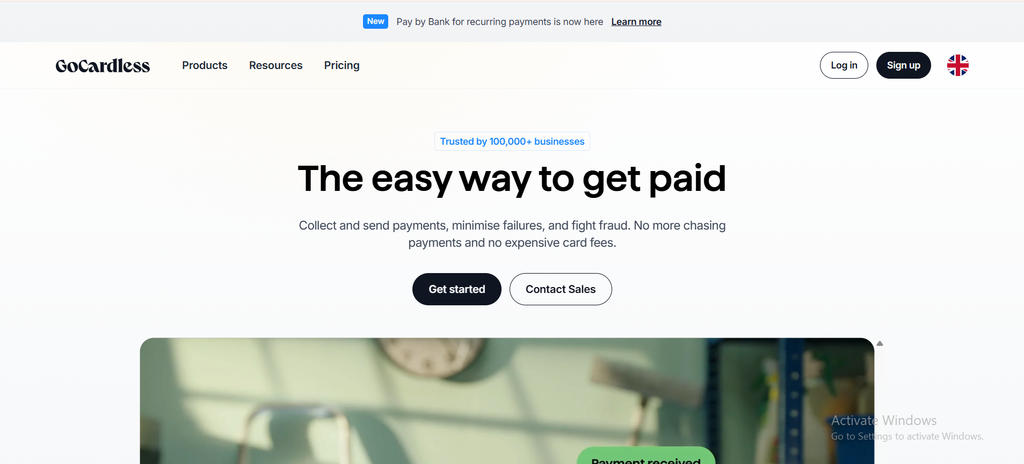
Image Courtesy: GoCardless / Official Website
GoCardless is a London-based fintech SaaS company focused on bank payments and recurring payments.
Its technology enables businesses to collect payments directly from customers’ bank accounts, making it particularly relevant to subscription businesses and companies with recurring billing models.
One notable example is its partnership with Sage. GoCardless processes approximately 150,000 payments per month through its platform for Sage, demonstrating how payment infrastructure can be integrated directly into business software.
Sage and GoCardless have expanded their global partnership to bring Pay by Bank functionality directly into Sage Business Cloud Accounting.
GoCardless therefore occupies an important position between SaaS, fintech and open banking.
Quantexa
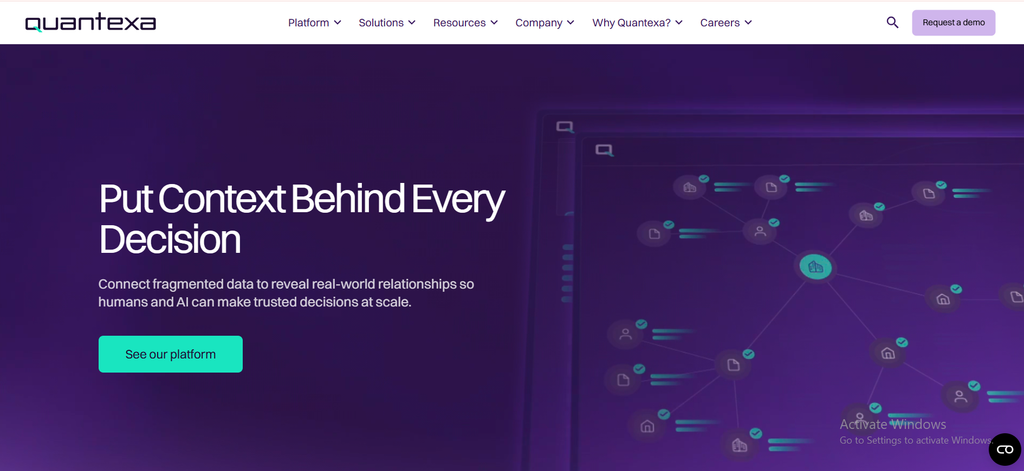
Image Courtesy: Quantexa / Official Website
Quantexa is a London-based data and analytics company that helps organizations make decisions using data, artificial intelligence and advanced analytics.
Its technology is particularly relevant to areas such as financial crime prevention, risk management, customer intelligence and compliance.
Large organizations often have information distributed across multiple databases and systems. Quantexa’s technology is designed to connect and analyze this information, helping businesses develop a clearer picture of customers, organizations and relationships.
The company represents the growing overlap between SaaS, artificial intelligence and enterprise data management.
As organizations accumulate larger quantities of data, software that can turn disconnected information into useful insights becomes increasingly valuable.
Multiverse
Image Courtesy: Multiverse / Official Website
Multiverse is a London-based technology company focused on workforce development and professional training.
Its platform combines technology, apprenticeship programs and AI-focused learning to help businesses develop employee skills.
The company has become particularly relevant as organizations attempt to prepare employees for changes brought by artificial intelligence and automation.
Rather than treating workforce training as a one-time classroom activity, digital platforms such as Multiverse can provide more structured and technology-enabled learning experiences.
Its business model demonstrates how SaaS principles can be applied beyond traditional categories such as finance, sales and cybersecurity.
Cloudsmith
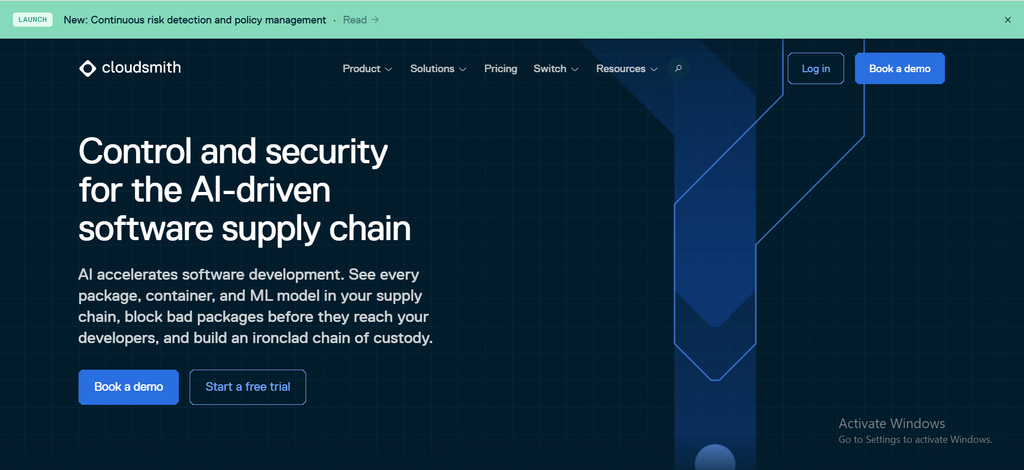
Image Courtesy: Cloudsmith / Official Website
Cloudsmith is a Belfast-based software company focused on software supply-chain management.
Modern applications are frequently assembled using thousands of software packages and dependencies. Organizations therefore need systems that help them manage, secure and distribute those components.
Cloudsmith provides cloud-based tools for managing software packages and artifacts, making it relevant to developers and engineering teams.
The company is part of the UK’s growing developer-tools ecosystem, which includes businesses working across cloud infrastructure, DevOps and cybersecurity.
Its presence in Belfast also highlights that the UK SaaS industry extends well beyond London.
Cognism
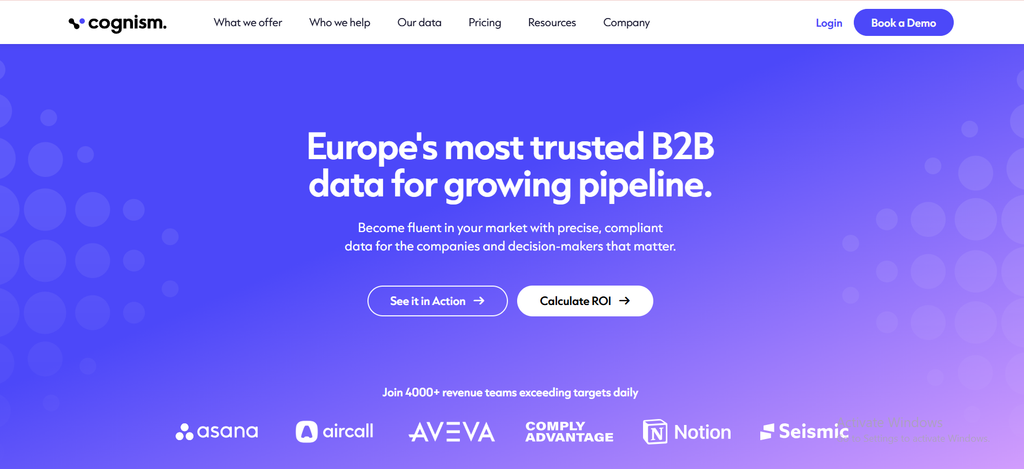
Image Courtesy: Cognism / Official Website
Cognism is a London-based sales intelligence and data platform.
Its software helps sales and marketing teams identify potential customers, research companies and build business-to-business prospecting strategies.
Sales intelligence has become an important SaaS category because businesses increasingly depend on data to identify potential customers and organize their sales pipelines.
Cognism has also received recognition in software rankings. G2’s 2026 list of leading UK software companies includes Cognism among its top UK software vendors.
The company demonstrates how specialized SaaS products can target a specific business function while serving customers internationally.
Why Is the UK Strong in SaaS?
The UK’s SaaS ecosystem has developed through a combination of strong technology talent, financial infrastructure, universities, venture capital and a large business-services sector.
London remains the country’s largest technology hub, but cities such as Cambridge, Manchester, Edinburgh and Belfast also contribute significantly to the industry.
The country’s SaaS sector covers a wide range of categories. These include accounting, cybersecurity, fintech, AI, developer tools, sales intelligence, HR technology and data analytics.
Thousands of SaaS businesses are active in the UK, ranging from enterprise software providers to specialist workflow platforms and smaller technology companies.
Another important factor is the UK’s large financial-services industry. Companies such as Thought Machine, GoCardless and Quantexa have benefited from demand for modern technology in banking, payments and financial risk management.
SaaS Trends in the UK
Artificial Intelligence
AI is becoming one of the biggest forces shaping British SaaS. Companies are adding AI assistants, automated workflows and intelligent analytics to existing products. Sage, for example, has been integrating AI agents and Sage Copilot into its business software.
Subscription Growth
Recurring subscriptions remain central to SaaS economics. Customers pay regularly for continued access, while providers can continuously update their software. Sage’s 2026 results illustrate this shift, with software subscription revenue growing 13% during the first nine months of its financial year.
Cybersecurity
As companies move more workloads to cloud platforms, cybersecurity remains a major requirement. This creates opportunities for companies developing AI-driven security and compliance products.
Vertical SaaS
Another growing trend is software designed specifically for a particular industry. Instead of creating a generic product for every business, vertical SaaS companies build tools around the requirements of sectors such as banking, healthcare, education and financial services.
Future of SaaS Companies in the UK
The UK’s SaaS industry is likely to remain an important part of the country’s technology economy.
Artificial intelligence will increasingly become embedded within conventional business software, while specialized platforms will continue developing for industries with complex requirements.
At the same time, competition is becoming more intense. SaaS companies must demonstrate clear value, maintain customer retention and continuously improve their products.
The UK’s existing strengths in financial services, technology and research provide a strong foundation for further growth.
Frequently Asked Questions
What is SaaS?
SaaS, or Software as a Service, is a model in which customers access software through the internet, usually by paying a recurring subscription.
Which is the biggest SaaS company in the UK?
Sage is among the UK’s largest and most established SaaS businesses, particularly in accounting, finance, payroll and HR software. Its recurring revenue reached £2 billion for the nine months ended June 2026.
Which UK SaaS companies focus on AI?
Synthesia and Darktrace are prominent examples. Sage is also increasingly incorporating AI into its existing cloud software.
Which UK SaaS companies are based outside London?
Sage is headquartered in Newcastle, Darktrace originated in Cambridge and Cloudsmith is based in Belfast. The UK’s SaaS ecosystem therefore extends beyond London.
Is SaaS growing in the UK?
Yes. The UK has thousands of SaaS businesses, spanning enterprise software, fintech, cybersecurity, AI, developer tools and specialist applications.