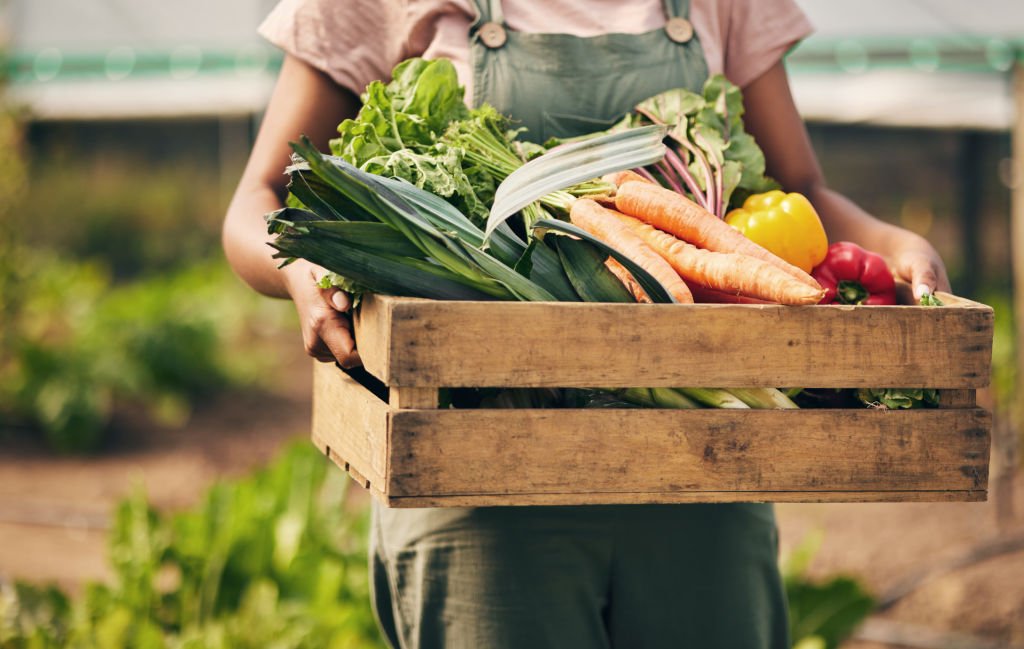
The organic food industry in India is gradually becoming a vital pillar at the nexus of changing consumer demands, sustainable agriculture, and health consciousness. Organic food has evolved from a niche market to a growing mainstream option among urban and semi urban customers due to increased concerns about lifestyle illnesses, food safety, and environmental impact. Significant growth potential are presented by this shift, but it also highlights operational and structural issues that still have an impact on market progress.
Food consumption habits have changed as a result of the increased preference for chemical free nutrition and ecologically friendly agricultural methods, especially among households who are concerned about their health. Organic staples, fruits, vegetables, dairy, and packaged foods are becoming more and more popular among urban families, young professionals, and parents with kids. They see these choices as long-term health investments rather than frivolous expenditures. This change has been reinforced by improved availability through contemporary retail and internet channels, expanding organic acceptance into tier-2 cities outside of urban centers.
Growing Preference for Food Free of Chemicals and Cleanliness
The growing desire for clean-label products is one of the main forces behind the organic food movement in India. Customers are becoming more conscious about production techniques, sourcing policies, and ingredient transparency. Concerns about chemical additives, synthetic fertilizers, and pesticide residues in conventional food have sped up the acceptance of organic substitutes in a number of sectors.
Developments in regulations support this tendency. Stricter labeling requirements and organic food standards have been prioritized by the Food Safety and Standards Authority of India (FSSAI), which has improved industry compliance while bolstering consumer confidence. In addition to the health benefits, consumers are becoming aware of the environmental benefits of organic farming, such as soil preservation, biodiversity preservation, and less pollution, which sustains demand despite higher costs.
Market Size and Prospects for Growth
The organic food market in India has shown significant development pace. The market was estimated to be worth USD 1,917.4 million in 2024 and is expected to increase at a compound annual growth rate (CAGR) of 20.13% from 2025 to 2033, reaching USD 10,807.9 million. Increased access to organized trade e-commerce platforms, urbanization, better retail infrastructure, and higher disposable incomes are all contributing factors to this growth.
Due to growing distribution networks, tier-2 cities and metropolitan areas like Delhi-NCR, Mumbai, Bengaluru, Hyderabad, Chennai, and Pune are seeing rapid uptake. Due to convenience, branding, and quality control, packaged organic foods—such as cereals, snacks, ready-to-eat items, and culinary ingredients—are in high demand.
The sector’s foundation has been further strengthened by government programs like APEDA’s National Programme for Organic Production (NPOP), which has been instrumental in standardization, certification, and export facilitation.
Pricing Difficulties Preventing Widespread Adoption
Premium cost continues to be a significant obstacle to the broad adoption of organic food, despite growing awareness. Although customers are typically ready to spend up to 20% more for organic items, real price differences—particularly for fresh produce—often surpass this barrier.
Lower yields during the organic changeover, labor-intensive agricultural methods, certification charges, and inefficient supply chains all contribute to higher costs. In tier-2 and tier-3 cities, where penetration is restricted by affordability issues, these difficulties are particularly noticeable. But over time, it is anticipated that increased scale, better logistics, and government assistance would progressively close pricing disparities.
Conclusion
The organic food industry in India is expected to develop steadily thanks to digital innovation, governmental support, environmental awareness, and health conscience. Long term success, however, still depends on resolving price issues, enhancing supply chain effectiveness, and guaranteeing constant quality.
The industry has appealing prospects for corporate strategists, investors, and consulting organizations in the areas of manufacturing, processing, distribution, and retail. In India’s quickly changing organic food environment, companies who combine consumer knowledge, operational efficiency, and strategic positioning will have the best chance of succeeding.