BazaarNow has achieved a remarkable milestone in its growth path. In this infusion of capital, the company will raise approximately ₹72.3 crore (approximately $7.8 million), according to recent regulatory filings. It is a significant step in the new direction of the young venture. Peak XV Partners is leading this round, with the involvement of currently existing capital partners Whiteboard Capital and Antler.
Growth valuation and financial structure
The process of funding entails the issue of 8,123 Compulsorily Convertible Preference Shares (CCPS) at an issue price of ₹88,851.94 each, as described in a recent filing submitted by the company to the Registrar of Companies (RoC). The largest investor of this round is Peak XV Partners, which is committing ₹53.92 crore to the development of the startup.
Whiteboard Capital and Antler had also been involved with contributions of ₹7.2 crore and ₹7 crore, respectively, reaffirming their commitment to the company. The round has also experienced investments by Nirman Ventures and a group of prominent angel investors, including Vidit Aatrey, the founder and CEO of Meesho. This variety of supporters supports the increasing interest in the quick commerce strategy and trust in the leadership of the company and its vision.
The successful exit from this Series A round is an incredible leap in terms of valuation for BazaarNow. The post-money valuation of the company is set to skyrocket to around ₹270 crore, taking into consideration the seed round estimated at nearly ₹40 crore. Such a high growth rate indicates how well the startup is growing and the market potential that may be available to investors in the model of the startup business.
The capital is to be raised, and it shall be mainly used in fulfilling the basic working capital needs and in complementing the general corporate purposes. This capital cushion is essential to the business because it will be able to expand its operations, run its dark stores chain, and navigate the operational challenges posed by the sub-10-minute delivery market.
Competitive landscape and operational model
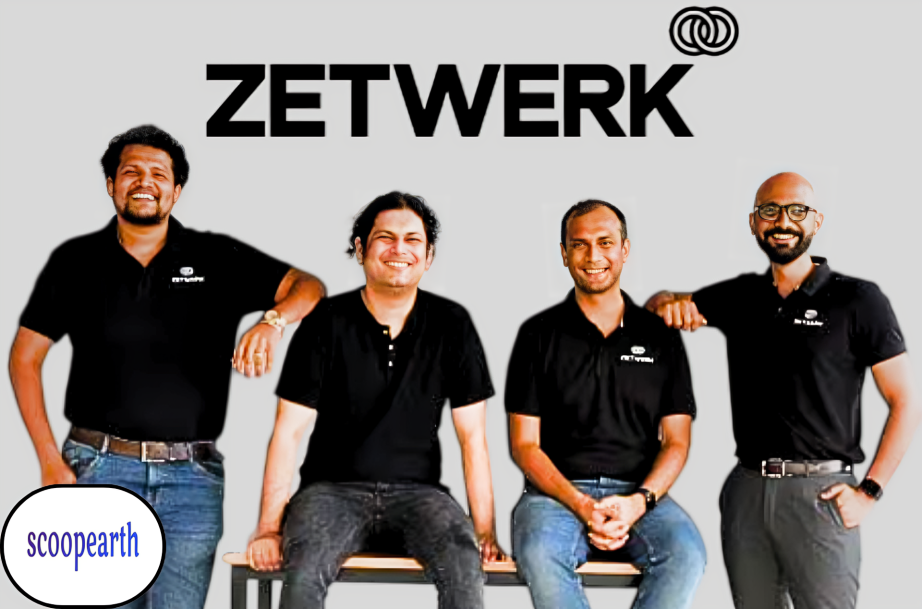
Launched in January 2026, BazaarNow has been set up by a team with rich industry experience. Tarithnay Mandal, Priyanshu Jain, and Arjun Harish co-founded the startup. This domain knowledge is manifested in the company’s mode of operation, which involves delivering sub-10-minute groceries, daily needs, and other higher-margin product lines.
The startup is running on a network of dark stores and is working toward operational concentration before any potential expansion. The core belief of the company is based on the efficiency of the dark store model that enables the quick satisfaction of consumer needs in the market, which is increasingly time-sensitive.
BazaarNow moves into a market that is characterized by high competition and fast-changing technology. The major players in Indian quick commerce are large and well-capitalized entities, including Blinkit, Swiggy Instamart, and Zepto, all of which have built vast supply chains. The competitive pressure has only been boosted by the entry of prominent e-commerce incumbents, namely Flipkart with its Flipkart Minutes program and Amazon with its Amazon Now program.
Within this context, BazaarNow is placing its bets on its specialized operational model and the capability of sustaining the quality of its services to be able to establish a sustainable niche. This emphasis on high-margin lines and tight operational control is designed to assist the firm in surviving and prospering during the period during which these much larger firms will be scaling.
Conclusion
The successful Series A round of $7.8 million is a testament that the investors believe BazaarNow has the potential to succeed in the highly populated quick commerce market. Through the experience of its founding team and the support of the largest institutional investors, the startup has developed a strong financial base for the next wave of its growth.
The capacity of the company to perform will be a determining factor in the company’s differentiating itself from the incumbents. The shift of a seed-stage company to a well-capitalized Series A startup is a transition that not only ends the first phase of a company but also begins the more demanding, equation-intensive phase in its mission to deliver conveniently to the doorsteps of every consumer.