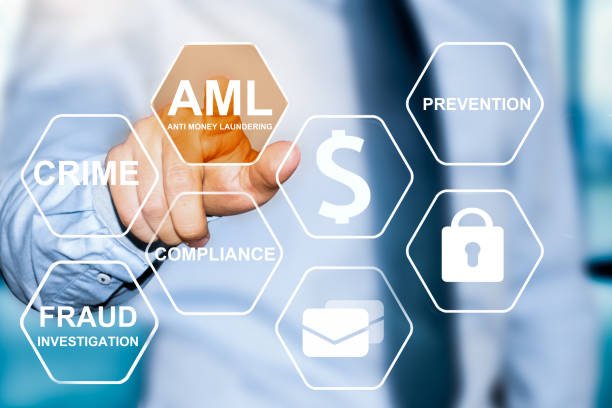
If one or two names pass through an onboarding validation process, it can cost a bank millions of dollars before anyone realizes it. No one announces their presence of money laundering practices. It hides inside ordinary transactions, spread across accounts that look completely normal on the surface. AML compliance software is designed to identify what a person cannot: scan customers and transactions for the patterns that indicate something is wrong. A compliance team without it is left to manually check every single one, even though there are real transaction volumes.
Over the years, regulators have made it very clear that this is their expectation. Financial institutions are now expected to show exactly how they screen customers and monitor activity, not just claim they do.
From Customer Screening to Transaction Monitoring
Imagine a bank opening thousands of new accounts each month. All of those consumers must be screened for sanctions, watchlists, and politically exposed persons. Aml software does that automatically and alerts staff when something needs closer review, rather than requiring a manual search. The same software monitors transactions after an account is opened, looking for any patterns that do not align with how a customer typically performs transactions. When a transfer suddenly increases, or a sum of money is transferred to an unusual country, it is flagged for review and not allowed to go through unnoticed. None of this replaces judgment, and software does not replace the analyst either. It provides the decision-makers with much greater information on which to base their decisions.
Why Manual Reviews Are No Longer Enough
There are usually a few compliance analysts within compliance departments who can review a dozen or so cases a day with ease. Millions of customers go through that mid-sized bank every morning. This gap is exactly why software has become standard rather than optional. Regulators notice suspicious activity too late, and a team working with a spreadsheet and their own memory is unlikely to meet this standard. Software is not a replacement for the analyst, but it handles the easy, low-risk cases so that the analyst can dedicate his or her actual time to the challenging cases.
Choosing the Right AML Software Provider
Not all the aml software developers create the same type of tool. Some are more focused on sanctions and watchlist information, while others focus on transaction monitoring or case management. The first question a business should ask itself is: what is the greatest need in its business, not the things a sales page offers. A provider with strong sanctions data and weak transaction monitoring could work for one business but not another. It may perform badly for another, depending on the true site of the risk.
The importance of support cannot be overstated: rules are constantly changing, and watchlists are evolving at their own pace. If the provider does not catch up, the business is exposed to outdated information. Before signing, it is helpful to ask how often the provider updates its data and how quickly it fixes problems when they are reported. A real customer pilot using real data, not a sales demo, will show much more about how a tool really works.
What Good AML Compliance Software Should Deliver
The best aml software is able to do two things at the same time. It effectively filters out real risk and prevents analysts from receiving unnecessary alerts that waste time. There are many tools that are too extreme on one side. An accurate system cannot capture context that a human can see at a glance, but a filtering system would simply let real risk slip by. It is not easy to find the right balance between the two extremes, and that makes all the difference between strong software and mediocre software.
Good software also makes good decisions easy to explain after the fact. If a regulator asks why an account was flagged or not, the software should be able to provide this information. Teams that do not do this will find out the gap at the last minute, when the audit process actually happens.
Getting More Value From AML Compliance Software
Buying software is only the first step toward a program that actually works well over time. Getting real value from it means training staff properly, reviewing how well the rules perform, and adjusting thresholds as a customer base grows and changes. A tool left on its default settings for years tends to drift out of step with the risks a business actually faces.
Manual review alone cannot scale with a growing customer base or watchlists that shift daily. AML Watcher brings screening, monitoring, and clear reporting together in one place. Compliance teams end up catching real risk without drowning in alerts that never needed a second look. Ready to improve your AML compliance program? Discover how AML Watcher helps organizations strengthen customer screening, simplify compliance workflows, and stay ahead of evolving financial crime risks.