Introduction
The United States is home to many of the world’s largest multinational corporations (MNCs). These companies operate in dozens or even hundreds of countries, employ millions of people, and generate trillions of dollars in annual revenue. They play a major role in shaping the global economy through innovation, manufacturing, technology, healthcare, retail, finance, and consumer products.
Over the past decade, American multinational corporations have expanded their global footprint by investing heavily in artificial intelligence (AI), cloud computing, clean energy, automation, digital services, pharmaceuticals, and international supply chains. Their products and services reach billions of customers worldwide, making them some of the most recognized brands on the planet. If you’re planning your career, exploring the highest paying jobs can help you identify roles with excellent salary potential.
Many of these companies are headquartered in major business hubs such as California, Washington, Texas, New York, Arkansas, and Illinois. Their success is driven by continuous innovation, strong financial performance, global operations, and the ability to adapt to changing market conditions.
This article highlights the Top 10 MNCs in the USA based on their annual revenue, market capitalization, global presence, innovation, workforce, and overall business influence.
Walmart
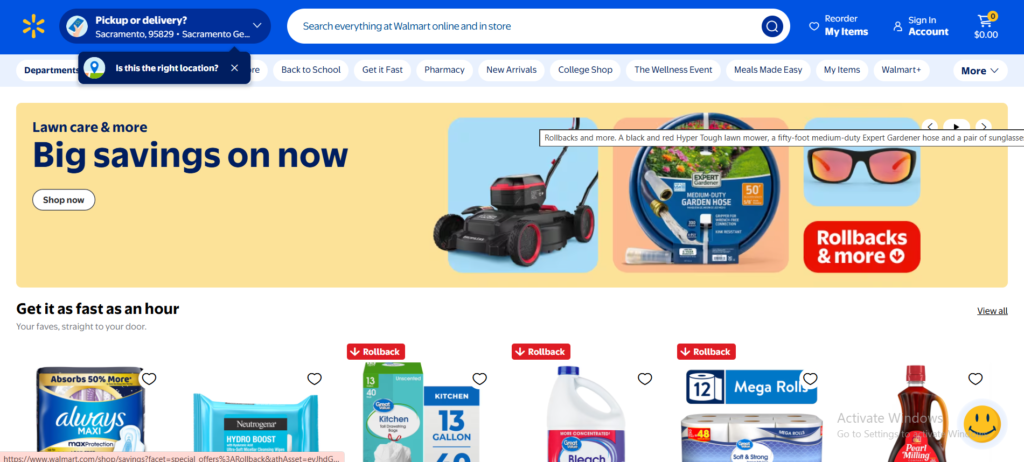
Image Courtesy: Walmart Official Website
| Founded | 1962 |
| Headquarters | Bentonville, Arkansas |
| Market Capitalization (2026) | Approximately US$900 billion |
| Latest Annual Revenue | Approximately US$708 billion |
| Employees | Around 2.1 million |
| CEO | Doug McMillon |
Walmart is the world’s largest retailer and one of the biggest multinational corporations by revenue. The company operates thousands of stores across the United States, Canada, Mexico, China, India, Chile, South Africa, and several other countries.
Apart from physical retail stores, Walmart has invested heavily in e-commerce, digital payments, logistics, automation, and artificial intelligence. Its online marketplace continues to grow, helping the company compete with major online retailers.
The company serves hundreds of millions of customers every week and remains one of the largest private employers in the world. Walmart’s efficient supply chain and competitive pricing continue to make it a global retail leader.
Amazon

Image Courtesy: Amazon Official Website
| Founded | 1994 |
| Headquarters | Seattle, Washington |
| Market Capitalization (2026) | Approximately US$2.6 trillion |
| Latest Annual Revenue | Approximately US$743 billion |
| Employees | More than 1.5 million |
| CEO | Andy Jassy |
Amazon has grown from an online bookstore into one of the world’s most valuable multinational corporations. Today, the company operates across e-commerce, cloud computing, logistics, entertainment, advertising, AI, and smart devices.
Amazon Web Services (AWS) remains the world’s leading cloud computing platform and serves millions of businesses, governments, and startups globally. The company also owns Prime Video, Audible, Twitch, and several international retail platforms.
Amazon continues investing billions of dollars in robotics, automation, AI infrastructure, and global delivery networks, strengthening its leadership across multiple industries.
Apple
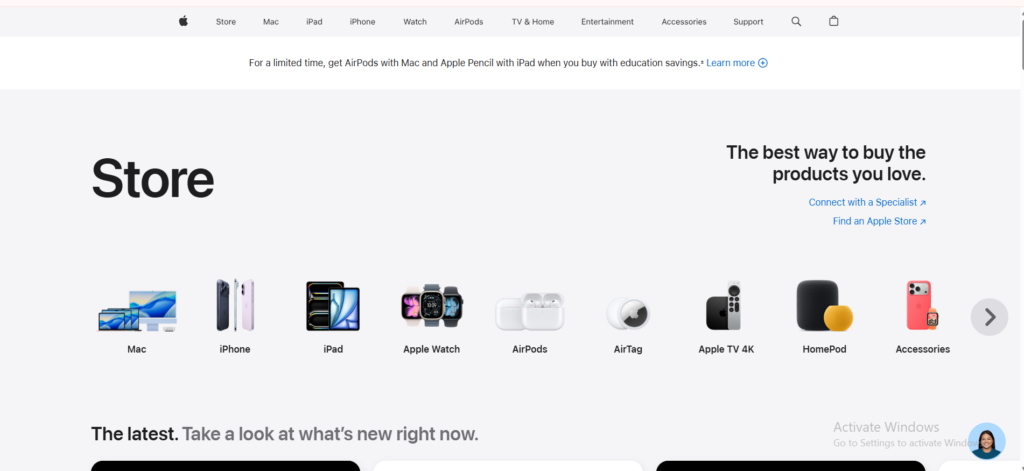
Image Courtesy: Apple Official Website
| Founded | 1976 |
| Headquarters | Cupertino, California |
| Market Capitalization (2026) | Around US$5 trillion |
| Latest Annual Revenue | Approximately US$451 billion |
| Employees | Around 166,000 |
Apple is one of the most valuable companies in the world and operates in nearly every major international market. The company is known for its premium products, including the iPhone, Mac, iPad, Apple Watch, AirPods, and Apple Vision devices.
Beyond hardware, Apple generates billions of dollars from services such as the App Store, Apple Music, Apple TV+, iCloud, Apple Pay, and AppleCare.
Its strong brand loyalty, premium pricing strategy, and expanding AI-powered ecosystem continue to drive impressive financial growth worldwide.
Microsoft
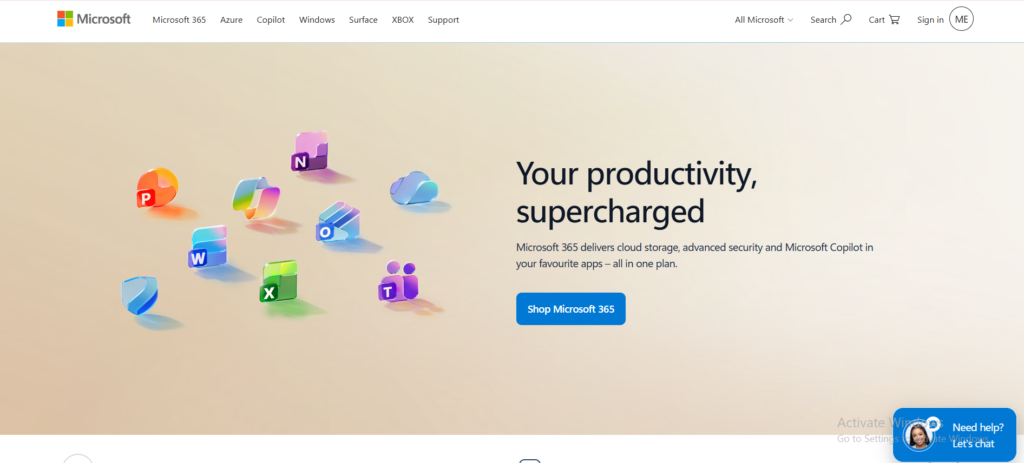
Image Courtesy: Microsoft Official Website
| Founded | 1975 |
| Headquarters | Redmond, Washington |
| Market Capitalization (2026) | Approximately US$2.9 trillion |
| Latest Annual Revenue | Approximately US$318 billion |
| Employees | More than 230,000 |
Microsoft is among the world’s leading software and cloud computing companies. Its products include Windows, Microsoft 365, Azure, LinkedIn, GitHub, Dynamics 365, and Xbox.
The company has strengthened its global position through major investments in artificial intelligence and cloud infrastructure. Microsoft Copilot and Azure AI services are now widely used by businesses across different industries.
Microsoft operates in more than 190 countries and continues expanding its enterprise software and cloud computing business.
Alphabet (Google)
Image Courtesy: Alphabet Official Website
| Founded | 1998 |
| Headquarters | Mountain View, California |
| Market Capitalization (2026) | Around US$4 trillion |
| Latest Annual Revenue | Approximately US$422 billion |
| Employees | Around 190,000 |
Alphabet is the parent company of Google and manages one of the world’s largest digital ecosystems. Google Search, YouTube, Android, Gmail, Chrome, Google Maps, and Google Cloud serve billions of users every day.
The company has expanded rapidly in artificial intelligence through Gemini AI and DeepMind while continuing to invest in cloud computing, healthcare technology, autonomous vehicles, and quantum computing.
Its global operations span almost every country, making Alphabet one of the most influential multinational corporations.
ExxonMobil
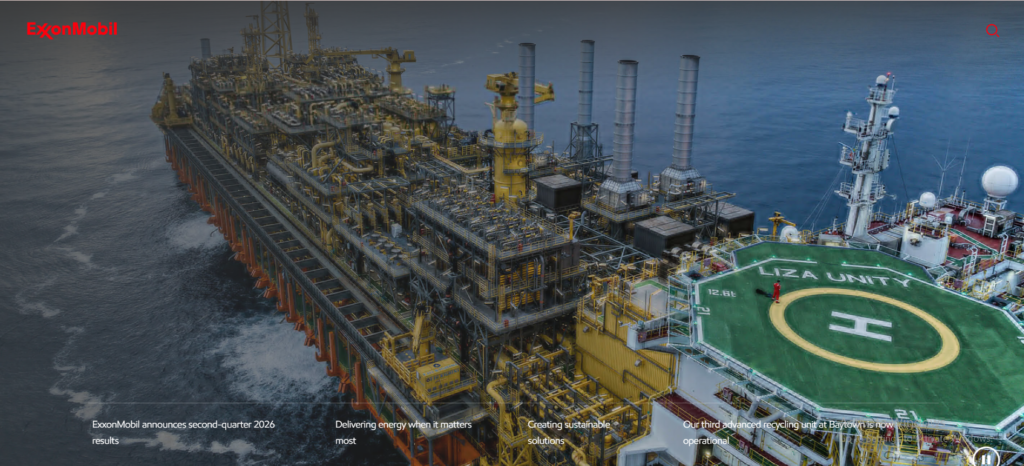
Image Courtesy: ExxonMobil Official Website
| Founded | 1999 (through merger) |
| Headquarters | Spring, Texas |
| Market Capitalization (2026) | Approximately US$550 billion |
| Latest Annual Revenue | Around US$340 billion |
| Employees | Around 62,000 |
ExxonMobil is one of the world’s largest energy companies, operating across oil exploration, natural gas, refining, petrochemicals, and energy production.
The company has operations in more than 60 countries and supplies energy products to customers across the globe. In recent years, ExxonMobil has also invested in carbon capture, hydrogen, and lower-emission energy technologies.
Its massive production capacity and international presence continue to make it one of America’s largest multinational corporations.
JPMorgan Chase
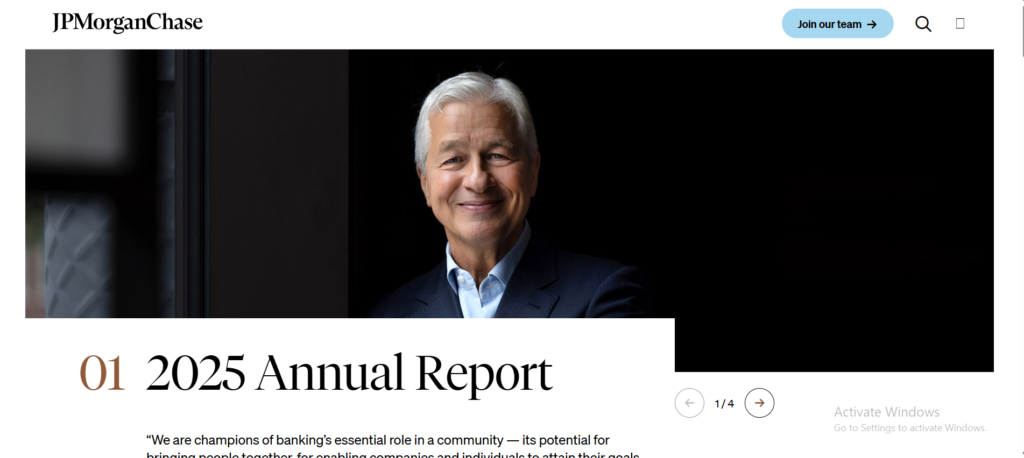
Image Courtesy: JPMorgan Chase Official Website
| Founded | 2000 (current structure) |
| Headquarters | New York City, New York |
| Market Capitalization (2026) | Approximately US$900 billion |
| Latest Annual Revenue | Around US$180 billion |
| Employees | More than 320,000 |
JPMorgan Chase is the largest bank in the United States and one of the world’s leading financial institutions.
The company offers investment banking, commercial banking, wealth management, credit cards, consumer banking, and financial advisory services in more than 100 countries.
Its continued investment in fintech, cybersecurity, digital banking, and AI has strengthened its leadership in the global financial industry.
Johnson & Johnson
Image Courtesy: Johnson & Johnson Official Website
| Founded | 1886 |
| Headquarters | New Brunswick, New Jersey |
| Market Capitalization (2026) | Approximately US$430 billion |
| Latest Annual Revenue | Around US$92 billion |
| Employees | Around 138,000 |
Johnson & Johnson is one of the world’s largest healthcare multinational corporations. The company develops medicines, medical devices, and healthcare technologies used in hospitals and clinics around the world.
Its pharmaceutical business continues to grow through innovative treatments for cancer, immunology, neuroscience, and cardiovascular diseases.
With operations in more than 60 countries, Johnson & Johnson remains a trusted name in global healthcare.
NVIDIA
Image Courtesy: NVIDIA Official Website
| Founded | 1993 |
| Headquarters | Santa Clara, California |
| Market Capitalization (2026) | Approximately US$4.8 trillion |
| Latest Annual Revenue (Annualized) | More than US$200 billion |
| Employees | Around 40,000 |
NVIDIA has become one of the fastest-growing multinational corporations due to the global boom in artificial intelligence.
Its GPUs power AI data centers, cloud computing platforms, autonomous vehicles, robotics, gaming systems, and scientific research. Nearly every major AI company depends on NVIDIA hardware to train advanced machine learning models.
The company is also expanding into AI software, networking equipment, and enterprise AI platforms, making it a dominant force in the technology industry.
Procter & Gamble (P&G)

Image Courtesy: Procter & Gamble Official Website
| Founded | 1837 |
| Headquarters | Cincinnati, Ohio |
| Market Capitalization (2026) | Approximately US$390 billion |
| Latest Annual Revenue | Around US$87 billion |
| Employees | Around 108,000 |
Procter & Gamble is one of the world’s largest consumer goods companies. Its products are sold in more than 180 countries and include brands such as Pampers, Tide, Ariel, Gillette, Head & Shoulders, Pantene, Oral-B, and Olay.
The company invests heavily in product innovation, sustainability, digital marketing, and supply chain improvements. Its strong portfolio of trusted brands has helped maintain steady growth for decades.
P&G remains one of America’s most successful multinational corporations with a significant global customer base.
Financial Comparison of the Top MNCs in the USA
The table below compares the leading multinational corporations in the United States based on their latest annual revenue, estimated market capitalization, and approximate share price. These figures provide a snapshot of each company’s financial strength, investor confidence, and global business scale.
| Company | Latest Revenue (US$ Billion) | Market Capitalization | Current Share Price (Approx.) |
| Walmart (NYSE: WMT) | 708 | US$900 Billion | US$118 |
| Amazon (NASDAQ: AMZN) | 743 | US$2.6 Trillion | US$231 |
| Apple (NASDAQ: AAPL) | 451 | US$5.0 Trillion | US$337 |
| Microsoft (NASDAQ: MSFT) | 318 | US$2.9 Trillion | US$389 |
| Alphabet (NASDAQ: GOOGL) | 422 | US$4.0 Trillion | US$327 |
| ExxonMobil (NYSE: XOM) | 340 | US$550 Billion | US$126 |
| JPMorgan Chase (NYSE: JPM) | 180 | US$900 Billion | US$322 |
| Johnson & Johnson (NYSE: JNJ) | 92 | US$430 Billion | US$182 |
| NVIDIA (NASDAQ: NVDA) | 200+ (Annualized) | US$4.8 Trillion | US$197 |
| Procter & Gamble (NYSE: PG) | 87 | US$390 Billion | US$169 |
Why These MNCs Lead the Global Market
These multinational corporations have maintained their leadership because of several important strengths:
- Strong Global Presence: Most of these companies operate in more than 100 countries and serve billions of customers worldwide.
- Financial Stability: Their massive revenues, strong cash flows, and consistent profitability allow them to invest in future growth.
- Innovation: Companies like Apple, Microsoft, NVIDIA, Alphabet, and Amazon continue to lead in artificial intelligence, cloud computing, and digital technologies.
- Brand Recognition: Brands such as Apple, Walmart, Amazon, Google, and P&G enjoy high customer trust and global recognition.
- Research and Development: Billions of dollars are invested each year in product development, technology, healthcare, automation, and sustainability.
- Diversified Business Models: These corporations earn revenue from multiple industries and geographic markets, helping them remain resilient during economic downturns.
- The technology sector is dominated by global leaders that consistently rank among the top IT companies , driving innovation in AI, cloud computing, and software development.
Future Outlook
The future of America’s leading multinational corporations looks promising as businesses continue adopting artificial intelligence, cloud computing, automation, clean energy, and digital transformation.
See also TIDA Sports secured ₹3 crore in a seed funding round led by Inflection Point Ventures (IPV)
Technology companies are expected to invest even more in AI infrastructure, semiconductor manufacturing, cybersecurity, and enterprise software. Healthcare companies will focus on advanced medicines, biotechnology, and medical devices, while consumer goods companies will continue expanding sustainable products and digital commerce.
Financial institutions are rapidly embracing AI-powered banking and digital payments, while energy companies are increasing investments in cleaner technologies alongside traditional energy production.
With their strong balance sheets, worldwide operations, and constant innovation, these multinational corporations are expected to remain among the world’s most valuable businesses over the coming years.
Conclusion
The United States continues to be the global leader in multinational business, with companies that influence industries ranging from technology and retail to finance, healthcare, energy, and consumer goods. Walmart leads in retail, Amazon dominates e-commerce and cloud services, Apple and Microsoft continue driving technological innovation, while Alphabet and NVIDIA shape the future of artificial intelligence.
At the same time, companies such as ExxonMobil, JPMorgan Chase, Johnson & Johnson, and Procter & Gamble demonstrate the strength of American leadership in energy, banking, healthcare, and consumer products. Together, these organizations employ millions of people, generate trillions of dollars in annual revenue, and contribute significantly to global economic growth.Whether you’re seeking career growth or business insights, many of these organizations are recognized among the best companies to work for because of their competitive salaries, employee benefits, and global opportunities.
As innovation, digital transformation, and international expansion continue, these top 10 U.S. multinational corporations are well positioned to remain industry leaders and play a key role in shaping the future of the global economy.
FAQs :
What is an MNC?
An MNC (Multinational Corporation) is a company that operates in multiple countries.
Which is the largest MNC in the USA by revenue?
Walmart is the largest U.S. multinational corporation by annual revenue.
Which U.S. company has the highest market capitalization?
Apple is among the most valuable U.S. companies by market capitalization.
Why are U.S. MNCs so successful?
They succeed because of innovation, global operations, and strong financial performance.
Which U.S. MNC is the leader in cloud computing?
Amazon leads the cloud computing industry through Amazon Web Services (AWS).
Which company is leading the AI revolution?
NVIDIA is one of the leading companies driving artificial intelligence with its AI chips.
Which is the largest banking MNC in the USA?
JPMorgan Chase is the largest bank in the United States.
Which U.S. MNC has the most employees?
Walmart employs over 2 million people worldwide.
Which company is famous for the iPhone?
Apple is the company behind the iPhone, iPad, and Mac.
Which U.S. MNC is known for internet search and YouTube?
Alphabet (Google) owns Google Search, YouTube, Gmail, and Android.
Which American MNC is a leader in healthcare?
Johnson & Johnson is one of the world’s leading healthcare companies.
Which company is the world’s largest online retailer?
Amazon is the world’s largest online retail company.
Which U.S. MNC is best known for consumer products like Tide and Pampers?
Procter & Gamble (P&G) owns brands such as Tide, Pampers, and Gillette.
What industries do the top U.S. MNCs operate in?
They operate in technology, retail, banking, healthcare, energy, and consumer goods.
What is the future outlook for U.S. multinational corporations?
They are expected to grow further through AI, cloud computing, automation, and global expansion.