The Vadodara-based startup Planyt, which has developed an innovative plant growth device utilizing fogponics technology, recently faced a challenging moment on Shark Tank India Season 5, failing to secure investment after raising serious concerns from all five Sharks.
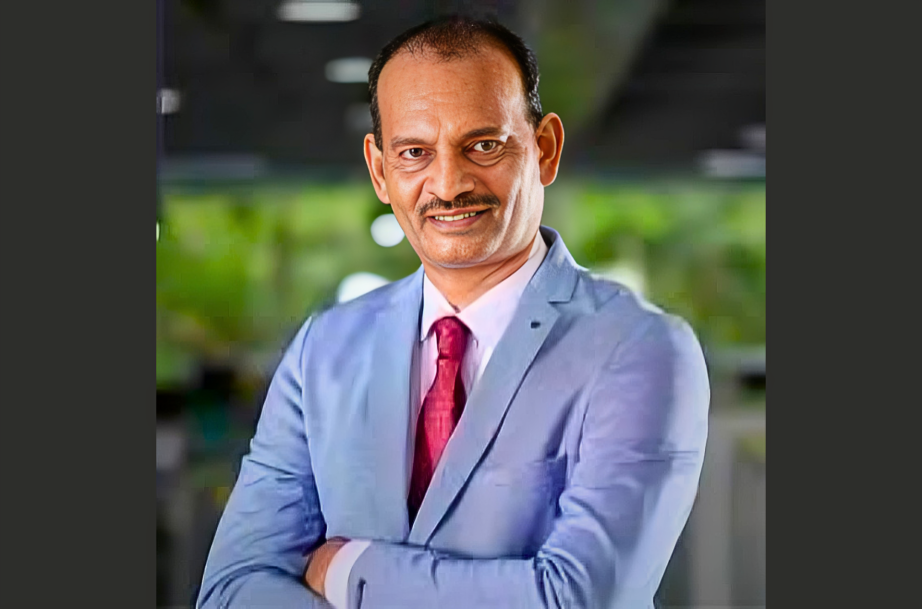
Founded in 2021 by Shubham Upadhyay, Planyt showcased a plant growth system inspired by NASA research, which has been further refined by the startup’s dedicated team. Upadhyay sought an investment of Rs 1.05 crore in exchange for 6.5% equity, valuing the company at Rs 16.15 crore. He pitched his product as a potential solution to combat hunger, enabling households to grow plants efficiently through his patented fogponics technology.
The Pitch and Concerns Raised
During his pitch, Upadhyay shared that the company had been operational for four years but had yet to generate revenue, having sold only 80 to 100 units at discounted prices. The system requires continuous electricity to function, and the startup had previously received Rs 10 lakh in government funding, which Upadhyay had described as “heavily funded.”
The Sharks quickly raised concerns about the feasibility of the product’s mission, especially considering the high ownership cost. A household would need to invest around Rs 7.5 lakh to install the system, leading Anupam Mittal to question the
disconnect between the product’s pricing and its intended purpose. He described the offering as “shaukeen” and “Ameeron k chochle,” suggesting that it appeared more suited for affluent hobbyists rather than addressing hunger issues.
Aman Gupta shared similar sentiments, labelling the idea as “delulu” and pointing out the challenges in making the technology accessible to everyday consumers. Namita Thapar, Amit Jain, and Ritesh Agarwal also voiced their doubts, stressing that the product’s utility, cost structure, and current market traction did not align with its ambitious goals.
Exit Without a Deal
In the end, Planyt left the Tank without securing any investment, as all five Sharks opted not to fund the startup. The panel advised Upadhyay to rethink the business model, pricing strategy, and whether there was a genuine demand for such a product at its current cost. They suggested he either reassess the need and purpose of the venture or consider pausing the current approach altogether.
Founder’s Reflection
After the episode, Upadhyay acknowledged that some of the personal comments made by the Sharks were hurtful, but he viewed the experience as a valuable learning opportunity. He highlighted that the feedback from the panel provided him with essential insights into aligning product pricing with market expectations and validating demand before pursuing investment.
The Planyt episode underscores the challenges that early-stage hardware startups in India face, particularly those attempting to introduce high-cost, tech-intensive solutions to widespread problems. While the ambition to innovate and tackle societal issues is admirable, it is vital to align technology, pricing, and scalability to attract investors and create a lasting impact.
Ultimately, the Shark Tank experience served as a wake-up call, offering both guidance and an important lesson on bridging the gap between vision and execution within the startup ecosystem.