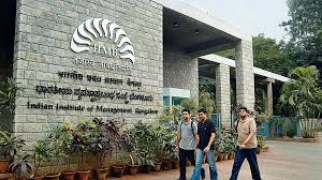
Nestled away from the hustle and bustle of Bengaluru, the serene campus of IIM Bangalore offers a tranquil retreat. Within this peaceful environment lies NSRCEL, the institute’s dedicated startup incubation and entrepreneurship centre, which has been nurturing founders at various stages of their entrepreneurial journeys for over 25 years.
NSRCEL has always thrived at the intersection of contemplation and action. While firmly anchored in academic principles, it has consistently engaged with the dynamic landscape of entrepreneurship. Recently, as it celebrated a quarter-century of incubation, the centre began to ponder a significant question: can the nuances of incubation be systematised and imparted to others?
From Mentorship to a Structured Approach
On a sunny November day, the halls of NSRCEL buzzed with founders, mentors, and alumni, all gathered to commemorate this milestone and discuss the evolution of entrepreneurship. Amidst the blend of nostalgia and ambition, one theme resonated strongly—NSRCEL’s profound sense of community.
Anand Sri Ganesh, CEO of NSRCEL, shares that the centre’s growth has been intentional. What started as a mentor-led initiative has now evolved into a dual mission: enhancing its own incubation programmes while disseminating its insights to the broader ecosystem.
At the core of NSRCEL’s mission is a commitment to hands-on, empathetic support. From fine-tuning pitch decks and connecting founders with potential partners, to professors offering guidance during critical junctures, the centre prioritises practical, everyday problem-solving. Its programmes encompass pre-incubation, incubation, and early growth phases, with a particular emphasis on ventures aiming for initial revenue.
Embracing Deep Tech and Co-Incubation
As innovation increasingly leans towards technology, NSRCEL is reimagining the incubation process. Ganesh highlights the rising necessity for co-incubation with research laboratories and corporate innovation teams, especially in deep tech sectors.
A recent memorandum of understanding with IIT Kanpur exemplifies this shift, facilitating joint incubation in areas such as AI-driven manufacturing, robotics, and drone technologies. To streamline and enhance the incubation process, NSRCEL has also introduced a structured framework known as ECNA—Entrepreneurial Capability building through Knowledge Networks and Assessments.
Drawing from insights accumulated over 25 years, ECNA encapsulates best practices, standard procedures, and common challenges. NSRCEL is now collaborating with emerging incubators to help them accelerate their learning curve from decades to just 18–24 months.
Founder Narratives from the Ground
For founders, the true impact of NSRCEL is best illustrated through their personal experiences. Jeetendra Lalwani, Co-founder of Dial4242, recounts how his startup emerged from a personal tragedy involving unreliable ambulance services. NSRCEL provided him with invaluable mentoring, investor connections, and the credibility needed to engage with major partners like Toyota and Maruti.
Similarly, Nikita Doshi, Co-founder of Biome Healthcare, attributes her company’s success to the incubator, which helped minimise costly trial and error. Operating in the highly regulated medical devices sector, her venture benefited from expert mentoring, factory visits, and early grant support that laid the groundwork for sustainable growth.
Navigating Capital, Pilots, and Policy
Ganesh observes that the current funding landscape necessitates stronger governance, clearer unit economics, and improved financial practices. While policy-driven capital has flowed into sectors like defence and deep tech, it has also created gaps in areas such as edtech.
For many startups, particularly in hardware and healthcare, grants, CSR funding, and patient capital are vital. NSRCEL is increasingly assisting founders in navigating this complex and expansive capital landscape.
Defining Success Beyond Exits
For NSRCEL, success transcends high-profile exits. It centres on cultivating sustainable ventures, generating employment beyond metropolitan areas, and imparting institutional knowledge to newer incubators.
As NSRCEL looks to the future, its vision is clear: to maintain the personalised mentorship that founders cherish while scaling its 25 years of experience for the benefit of India’s burgeoning startup ecosystem. Its true legacy may not only be found in the startups it has nurtured but also in the multitude of founders and incubators empowered by its expertise.