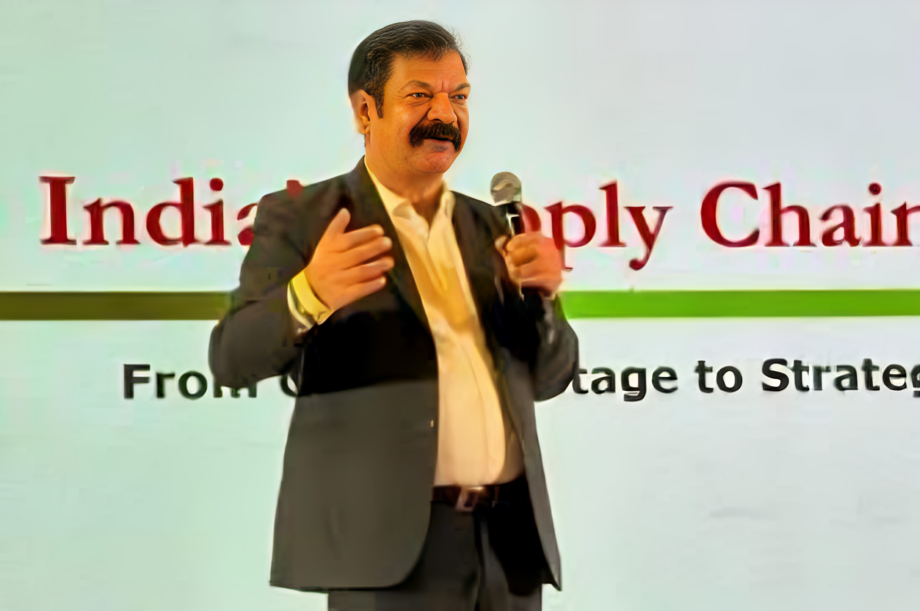
India’s Supply Chain Evolution: From Cost Efficiency to Strategic Influence
India’s supply chain landscape is experiencing a significant transformation. Once primarily seen as a backend function focused on efficiency and cost-cutting, supply chains are now emerging as a strategic asset that shapes competitiveness, investment choices, and even the country’s global standing. This evolution was underscored by industry leaders during a keynote session on SCM Talents, which explored the shifting role of supply chains in India’s economic narrative.
During the session, Radha Mohan Gupta, the former Senior Vice President of Supply Chain at Devyani International Limited, described this period as a pivotal moment for India. With global supply networks being reconfigured in the wake of repeated disruptions, supply chains have transitioned from being mere operational afterthoughts to essential drivers of trust, resilience, and sustainable growth.
“These days, supply chains are assessed based on more than simply price and speed. They play a crucial role in establishing credibility, reliability, and influencing where global companies decide to invest,” Gupta remarked.
Shifting Beyond Cost-Centric Strategies
Gupta elaborated that while cost efficiency remains important, it can no longer be the sole foundation of supply chain strategy. India’s previous approach relied heavily on low-cost manufacturing and transactional efficiency—a model that proved effective but lacked long-term viability.
“That strategy was successful but inherently fragile. Cost advantages can easily be matched or outdone by other regions,” he pointed out.
The current global reset is compelling organisations to reassess their supply chains with a broader perspective. Factors such as reliability, resilience, transparency, and scalability are now equally vital alongside cost considerations. This signifies a clear transition from a cost-driven mindset to one that prioritises strategic advantages.
Gupta noted that long-term predictability, the strength of the ecosystem, and operational credibility are now taking precedence over short-term savings in the decision-making processes of global businesses.
Why India Is Positioned for Success
Gupta highlighted several structural strengths that make this transition particularly timely for India. The country’s vast and expanding domestic market, supportive policy framework, and growing digital infrastructure are reshaping its image within global supply chains.
“India is no longer only thought of as a hub for low-cost industry. It is increasingly recognised as a reliable and long-term supply chain partner,” he stated.
He pointed out the rapid growth of India’s consumption economy, particularly in the e commerce sector, which is anticipated to see substantial growth by the end of the decade. This internal demand adds both stability and scale, enhancing India’s attractiveness to global manufacturers and investors.
Policy and Infrastructure as Catalysts for Change
Gupta also emphasised the critical role of policy alignment in bolstering India’s supply chain competitiveness. Initiatives such as the National Logistics Policy introduced in 2022, the PM Gati Shakti programme, and targeted infrastructure investments are addressing long-standing challenges.
“In the past, India’s logistics expenses were much greater than those of other countries. Although production costs were low, inefficiencies in movement and coordination undermined that advantage,” he explained. However, policy reforms are now bridging this gap and enhancing overall efficiency.
Supply Chains as a National Asset
As global supply chains are being reimagined to withstand geopolitical tensions, pandemics, and climate-related challenges, Gupta believes India has a unique opportunity to fortify its role in global value chains.
“The flow of commodities is no longer the only aspect of supply chains. They influence national credibility and global competitiveness. This is why we are witnessing India’s supply chain moment,” he asserted.
In closing the session, Gupta encouraged supply chain professionals to embrace the expanding scope of their roles. With resilience, transparency, and digital enablement becoming central to economic strategies, the talent within supply chains will play a crucial role in shaping India’s long-term growth and its position on the global stage.