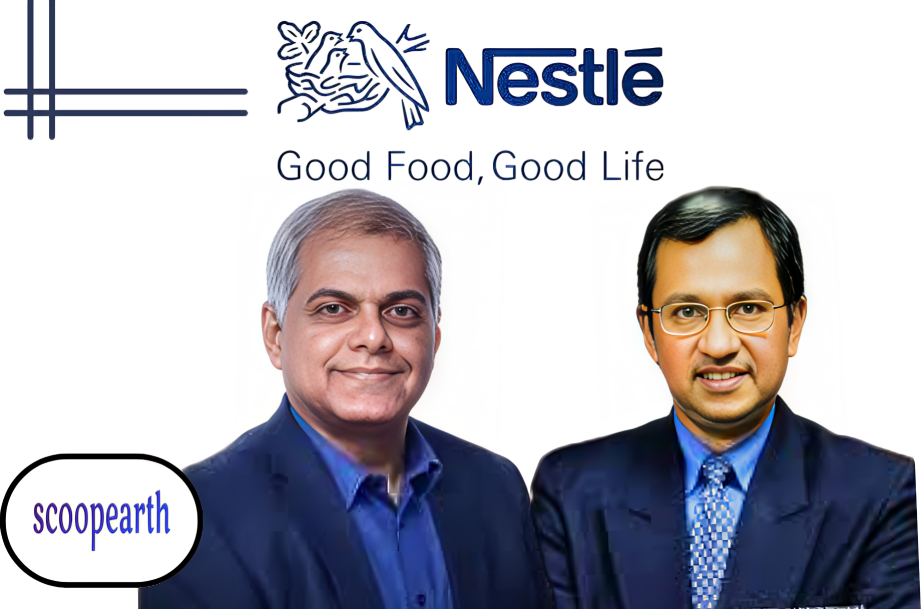
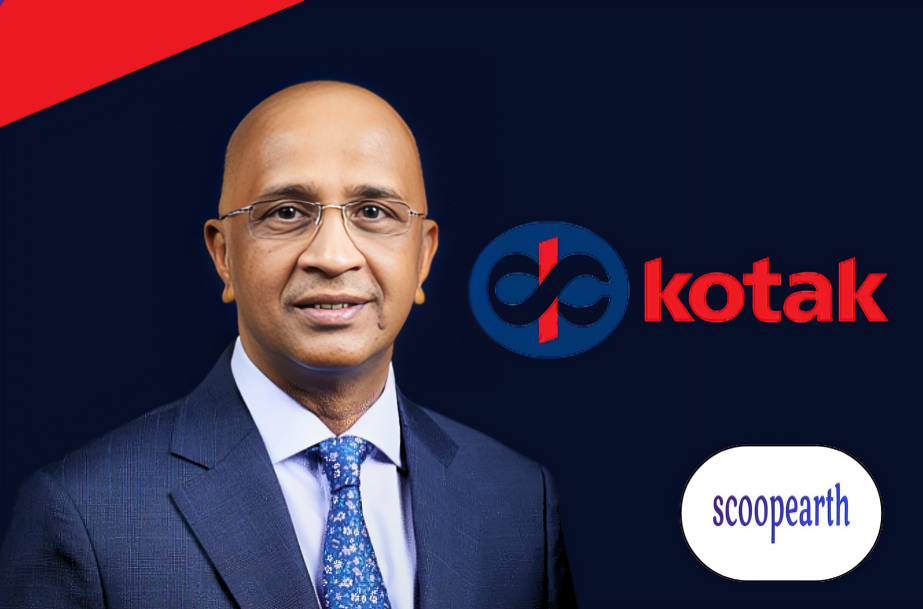
Nestlé India is unwaveringly optimistic about domestic growth, despite the fact that its global parent company, Nestlé SA, is cutting jobs to reduce expenses. In the last two fiscal years, the company has invested around ₹3,900 crore, demonstrating a significant belief in India’s potential for growth. Manish Tiwary, who became Chairman & Managing Director in August, has a clear plan for the future: expand major brands, use technology to speed up adoption, and create value in both urban and rural Bharat.
Wider category penetration, innovation pace, and technology-driven operational improvements, according to Tiwary, are key components of Nestlé India’s future. Nestlé, which was once thought of as an urban-focused business, is now significantly enhancing its rural capabilities to increase product accessibility and affordability across all income levels and geographical areas.
Vision & Strategy
Tiwary emphasized that Nestlé India is well-positioned with a few high-impact brands, allowing for aggressive investment decisions, while outlining his ambitions for the next phase of growth. He stated, “Our objective is to use technology to increase efficiency, channel those savings into brand building, and grow category penetration.” The
company’s future will be characterized by speed and agility, with digitized manufacturing lines cutting innovation-to-launch timelines by almost 70%. Another important factor is the changing tastes of Indian consumers. Today’s youth are
more concerned about ingredient transparency and seek convenience, variety, and clearer labels. Tiwary thinks Nestlé’s brands are well-positioned to live up to these expectations, but maintaining relevance will need flexibility and ongoing innovation.
The business is looking for expansion prospects in both deep-rural locations and upscale urban clusters. He claims that technology-enabled optimization will accelerate distribution and boost brand investments.
By early 2026, volume will surpass price growth.
Following a period of commodities inflation and lackluster urban demand, India’s food and beverage industry is steadily stabilizing. Affordability has improved thanks to lower GST rates, and urban consumption has begun to rebound even though rural markets are still expanding more quickly than metropolitan ones.
Tiwary anticipates a significant performance impact from this. “We anticipate volume led growth across categories rather than price-led expansion in the first half of 2026,” he stated, emphasizing increased elasticity following GST rationalization.
Global Cost Cuts Not Expected to Impact India Dramatically
Nestlé’s India division is still expanding, not only in consumer items but also in IT, R&D, and business services, despite worldwide restructuring. Tiwary highlighted that the company’s goal in India is cost optimization rather than cost reduction. Hiring talent will continue, and investments will increase in tandem with new verticals like Nespresso, pet care, and institutional consumption under Nestlé Professional.
Rural & New Channels: Key Growth Engines
The company has considerable headroom for penetration because rural areas now account for only about 15% of their revenue in India. Adoption is anticipated to be accelerated by higher rural incomes, GST-led pricing stability at ₹5–₹10 SKUs, and tech enabled retail tools like NesMitra.
Quick commerce is becoming a significant distribution channel for affluent households. According to Tiwary, it is a convenience-driven model that appeals to urban speed oriented customers rather than a discount-driven one.
Competition & Sustained Brand Investment Remain Critical
Smaller regional brands have increased competitiveness in several categories, particularly in areas where customer relevance or pricing declines. According to Tiwary, sustained significant investment in brands and volume growth is the strongest moat. He ends by saying, “My goal is simple—more bowls of Maggi should be eaten, at the right price.”