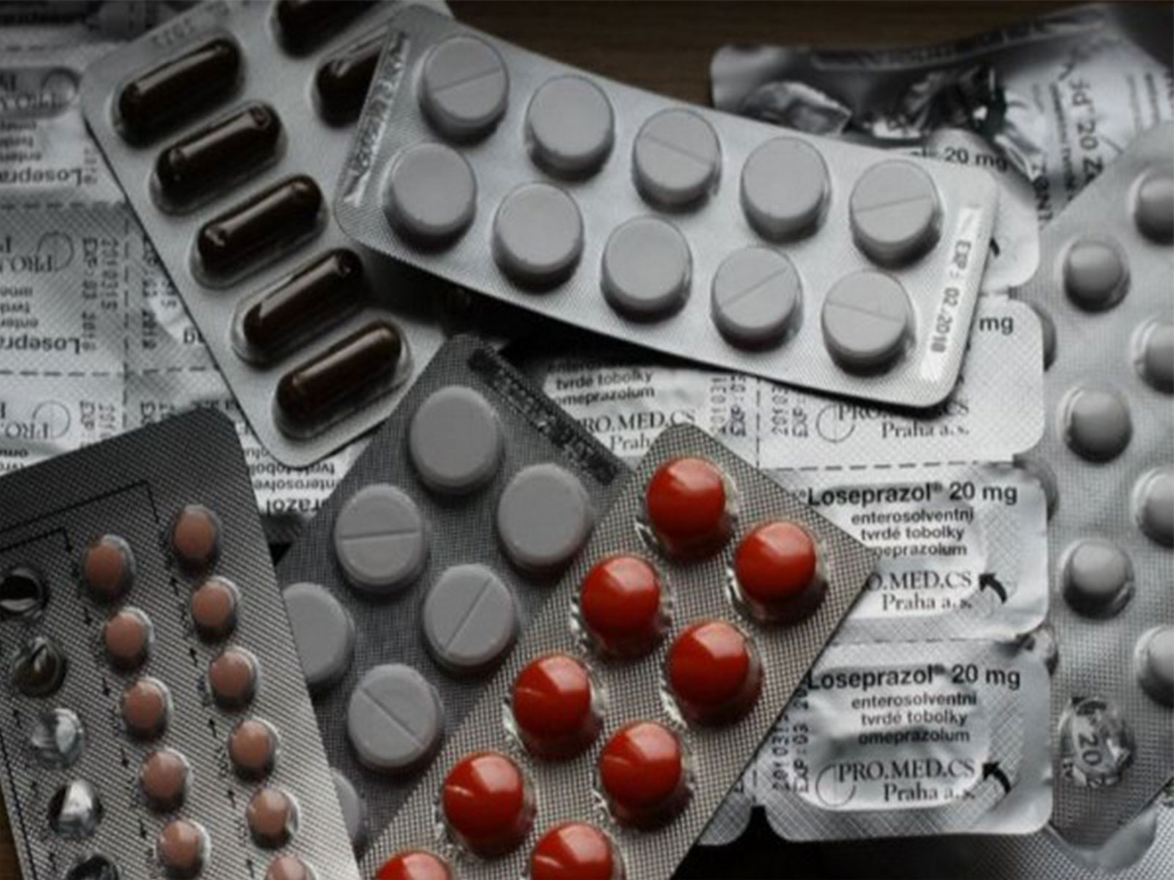
India’s pharmaceutical industry is aiming to sustain a strong growth trajectory in the coming quarters. The driving factors behind the upward movement are the sustained domestic demand, opportunities in the GLP-1 therapies domain, and the structural recovery in both the Contract Development and Manufacturing Organization and Active Pharmaceutical Ingredient segments.
According to a recent brokerage report, the sector is projected to grow at 10% YOY specifically in 1QFY27. For the first quarter alone, the domestic market segment is expected to increase by 12.7%, and combined CDMO and API business segments will increase by 9.9%.
Market drivers and rapid expansion
This rising schism is set against a backdrop of a projected 9.3% decline in the United States business of the industry, particularly. The contraction is due to a high baseline set in previous timelines from Revlimid-related sales.
Investment and macro uncertainties will continue to shape bottom line results. Overall industrial margins will be pressured by higher freight, power and baseline input costs, leading to a decline of 125 basis points in actual EBITDA margins from 25.7% this year to 24.6%.
The domestic market continues to be a pillar of the industry, with growth estimates pointing to robust expansion at 12.7% year-on-year to reach a total valuation of ₹272 billion. The report cites several operational considerations as being crucial to this domestic acceleration.
These include large volumes of complex generics, brand in-licensing, routine price increases, and new product introductions. The GLP-1 therapy segment is an additional growth driver, and as a result of this segment, there is a measurable improvement in the productivity of overall medical representatives.
The rapidly growing GLP-1 market opportunity has also brought near-term uncertainty in terms of production timelines. The disruption is due to a decision by Dr. Reddy’s Laboratories to stop selling its generic semaglutide medication.
The company stopped supply when it discovered an API-related quality attribute challenge in certain product batches during the commercial scale-up stage. Ecosystem effects have been experienced by several related companies, and the eventual return to manufacturing of semaglutide will be a key metric for the field.
Manufacturing segment and structural progress
The CDMO and API manufacturing business is projected to become a key growth driver for Indian pharma. The report projects robust growth of 9.9% year-on-year, driving up revenue generation in this division to ₹89 billion. This structural development is supported by a robust order book and growing levels of requests for quotation and offers coming in from global market players.
Indian CDMO operations are benefiting from a robust long-term structural capex cycle. Companies are actively investing and pursuing differentiated manufacturing capabilities, focusing on highly potent APIs, peptides and antibody-drug conjugates.
Due to these foundational changes, the structural environment of CRAMS and API players is conducive to long-term growth. Businesses that focus mainly on the American market are expected to view a steady recovery, with the global business climate remaining more stable.
Conclusion
From a long-term perspective, all these positive factors are likely to support a systematic recovery of the Indian pharma sector in the coming years, underpinned by a conducive global macroeconomic environment, robust inbuilt growth potential and growing merger and acquisition market trends across segments. Near-term, supply chains may adjust costs and manufacturing may be disrupted in a few locations, but sustained domestic demand and niche international contract manufacturing mechanisms stand poised to keep the industry firmly grounded in FY27.