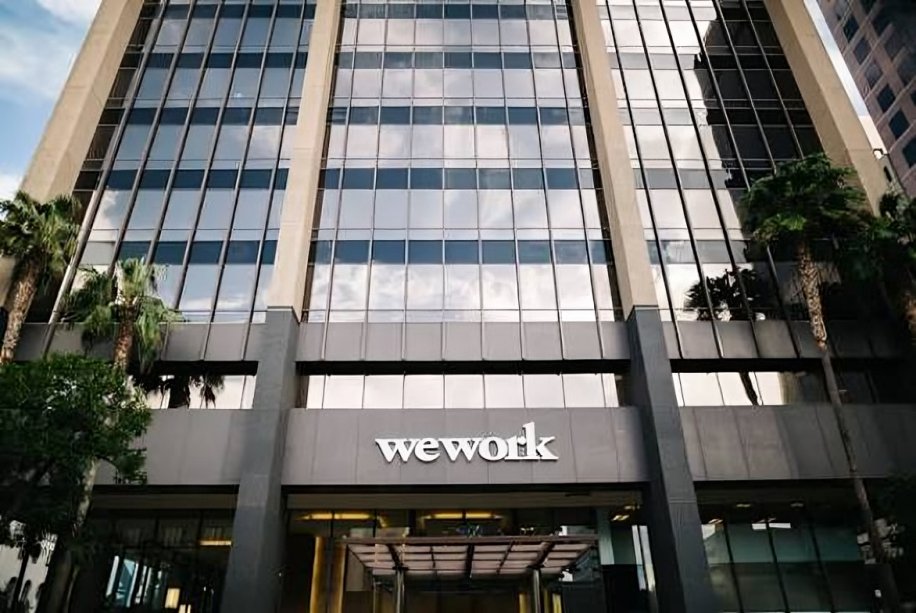
WeWork India has seen a drastic turnaround in its financial status in the first quarter of FY27, as its net loss dropped sharply to ₹4.61 crore. The positive change is driven by continued demand for flexible workspace and by more efficient operation across the firm’s portfolio. The company also saw both a visible increase in revenue and overall occupancy driven by substantial end-user activity from various corporate segments including existing businesses, emerging start-ups, and established Global Capability Centres. This financial recovery demonstrates the ongoing recuperation of India’s premium flexible office market within the larger context of commercial real estate maturing.
Enhanced utilization and primary revenue drivers
The enhanced financial performance comes at a moment when India’s flexible workplace market is witnessing accelerated growth, driven by the rising penetration of hybrid working, cost-efficient practices for corporates, and the increasing appetite of the sector for managed offices. Modern businesses are increasingly turning towards flexible leasing agreements that offer them the highest level of scalability while requiring no long-term financial obligations.
By harnessing the macroeconomic shifts, WeWork India has been able to reinforce its commercial presence in large cities and has placed a strong emphasis on long-term profitability and sustainability. The coworking operator reported a significant drop in losses over a quarter compared to the same period of the previous financial year.
The major factors behind this revenue growth are the company’s vastly improved occupancy at its current co-working centres, its increasingly strong dedicated enterprise leasing business, and its rapid growth of customised managed office solutions. Stable demand from active technology companies and startups, plus strong contribution to office absorption as Global Capability Centres expand.
It has optimized the use of the company’s current workspace resources. This pattern particularly benefits workspace operators, commercial property developers, as well as institutional investors, and directly hastens the gradual development of the overall office real estate market in India.
Strategic operational priorities and challenges
WeWork India has clearly listed its strategic and operational priorities in order to ensure sustained progress moving forward. The corporation is highly committed to continued enhancement of its base rates of occupancy, as well as growth of its premium workspace offerings and continued improvements to the day-to-day efficiencies of all its facilities.
The firm is committed to building on its enterprise relationships while also keeping the focus on financial discipline and ensuring balanced and sustainable growth across key metropolitan markets. The focus of these campaigns is clearly aimed at improving the company’s core profitability margins as well as constantly adapting to the ever-evolving needs of today’s workforce regarding its infrastructure.
With all these positive indications of financial turnaround, several current business issues need to be addressed to continue the pace of the company’s progress. WeWork India continues to operate within a highly intense competitive environment inside the domestic coworking industry, which is further complicated by steadily rising real estate acquisition and general operating costs.
The operator will have to find the right balance between its aggressive regional expansion strategy and its bottom-line profitability. The business should be sensitive to changing workplace preferences and to the higher uncertainties of the economy, which might result in recurring changes to corporate office demand, requiring asset utilization as a major managerial focus.
Conclusion
WeWork India’s narrower net loss of ₹4.61 crore in the first quarter of FY27 shows the positive fundamental conditions playing out in India’s flexible office space market. This enduring enterprise demand, plus the clear corporate shift toward hybrid workspaces and superior asset utilization, has taken the coworking provider a long way toward achieving sustained profitability.
The continued growth of technology companies and Global Capability Centres will drive further expansion, as organisations look for further agile, strategic workplace solutions for business, with an eye on increased cost efficiency. WeWork India’s future success will largely rely on its approach to expanding wisely and consistently optimizing its internal efficiencies.