The textile and apparel industry is one of the oldest and most important sectors in the Indian economy. For hundreds of years, India has been famous across the world for its beautiful fabrics, starting from ancient hand-woven silks to modern, high-tech denim. Today, this industry is an economic powerhouse. It contributes significantly to the country’s industrial production, adds to its export earnings, provides direct employment to around 45 million people and supports more than 100 million jobs including indirect employment—making it the second-largest employer in India after agriculture.
India enjoys a unique advantage through its integrated textile value chain. This means Indian businesses can grow the raw cotton on local farms, spin it into thread, weave it into cloth, and stitch it into final garments all within the same country. The top ten textile companies highlighted below represent the absolute best in this space. They range from historic brands that helped build the nation to modern giants that supply luxury bedding, everyday denim, and traditional wedding wear to millions of customers worldwide.
Quick Summary Table of Top 10 Textile Companies
| Company Name | Founding Year | Main Founders | Headquarters | Main Products |
|---|---|---|---|---|
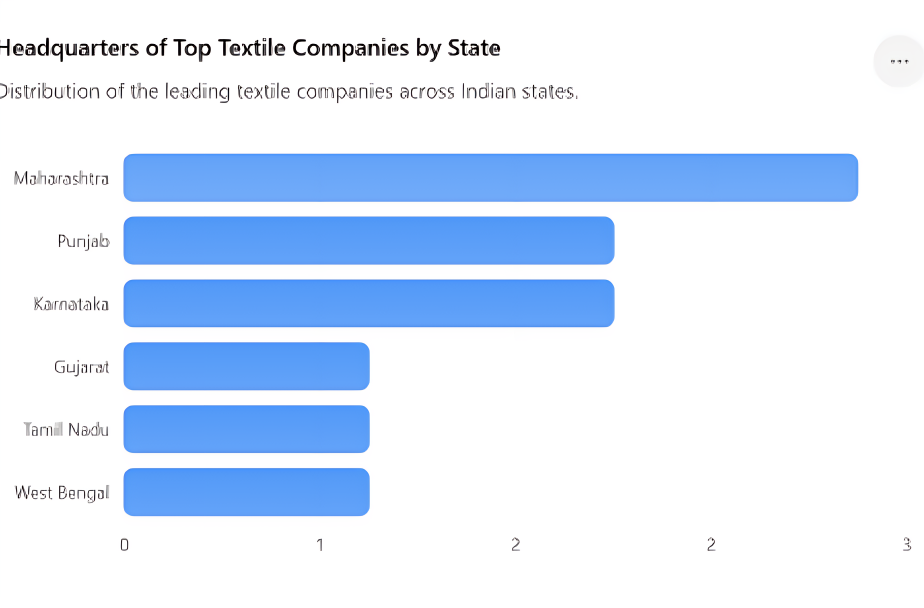
| Arvind Limited | 1931 | Kasturbhai Lalbhai, Narottambhai Lalbhai & Chimanbhai Lalbhai | Ahmedabad, Gujarat | Denim, Shirts, Jeans |
| Vardhman Textiles | 1965 | R.C. Soni | Ludhiana, Punjab | Yarn, Threads, Fabrics |
| Welspun Living | 1985 | B.K. Goenka | Mumbai, Maharashtra | Towels, Bedsheets, Rugs |
| Raymond Limited | 1925 | Wadia Woollen Mill (later acquired by the JK Group) | Mumbai, Maharashtra | Suits, Shirts, Wedding Wear |
| Trident Limited | 1990 | Rajinder Gupta | Ludhiana, Punjab | Towels, Paper, Bedsheets |
| KPR Mill Limited | 1984 | K.P. Ramasamy | Coimbatore, Tamil Nadu | Knitted Clothes, Cotton Yarn |
| Page Industries | 1994 | Genomal Family | Bengaluru, Karnataka | Jockey Innerwear, Athleisure |
| Alok Industries | 1986 | Ashok Jiwrajka & Brothers | Mumbai, Maharashtra | Cotton Yarn, Polyester, Fabric |
| Vedant Fashions | 2002 | Ravi Modi | Kolkata, West Bengal | Manyavar Ethnic & Wedding Wear |
| Himatsingka Seide | 1985 | A.K. Himatsingka | Bengaluru, Karnataka | Luxury Bedding, Silk Fabrics |
Detailed Look at the Top 10 Textile Companies
Arvind Limited
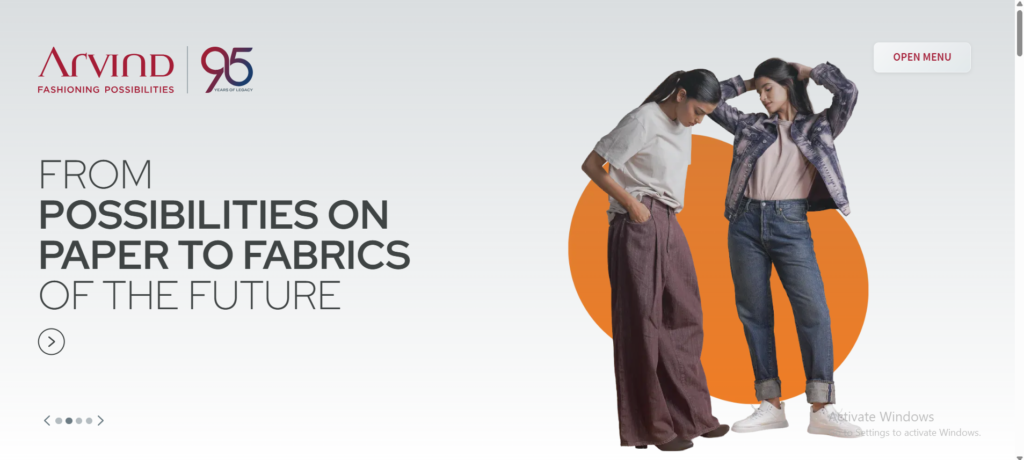
Image Courtesy: Arvind Limited Official Website
Arvind Limited is a true pioneer in the Indian clothing world. It is most famous for making denim, which is the tough blue cloth used to make jeans.
• Founding Year: 1931
• Founders: Three brothers named Kasturbhai Lalbhai, Narottam Lalbhai, and Chimanbhai Lalbhai.
• Headquarters: Ahmedabad, Gujarat
What Makes Them Special
Arvind started long before India became an independent country. Today, it is one of the largest makers of denim in the entire world. If you wear jeans from famous global brands, there is a very big chance that the cloth was made by Arvind in India. They do everything from spinning the raw cotton into thread to weaving the cloth and sewing the final clothes. They also bring many international fashion brands into Indian shopping malls.
Vardhman Textiles Limited
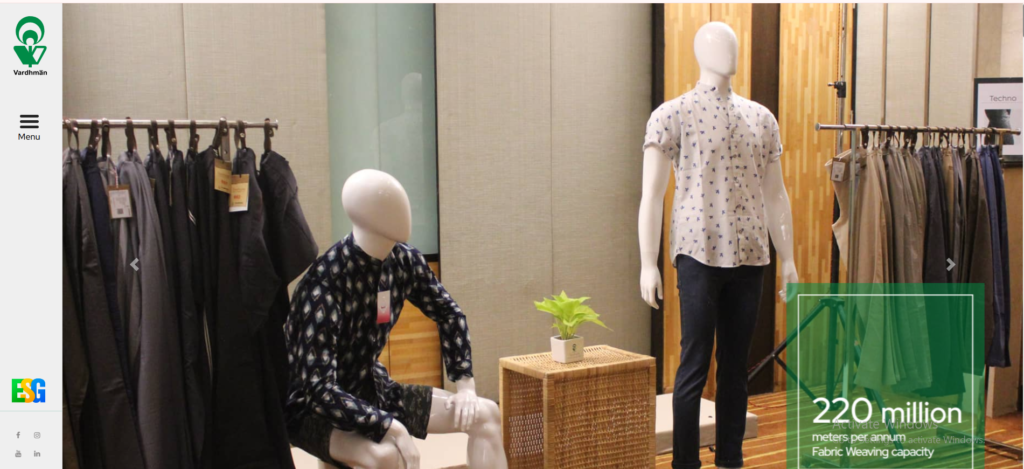
Image Courtesy: Vardhman Textiles Limited Official Website
Vardhman Textiles is a giant company that focuses on making the basic materials needed for clothing. They are the kings of making yarn, which is the long thread used to weave cloth.
• Founding Year: 1965
• Founders: R.C. Soni (later developed by the Oswal family).
• Headquarters: Ludhiana, Punjab
What Makes Them Special
Vardhman is one of the biggest cotton yarn producers in India. They make over 650 tons of thread every single day. Because their quality is so high and consistent, top global clothing brands like H&M and GAP buy fabric and threads from them. They also make special types of colorful fabrics that do not lose their bright look easily.
Welspun Living Limited
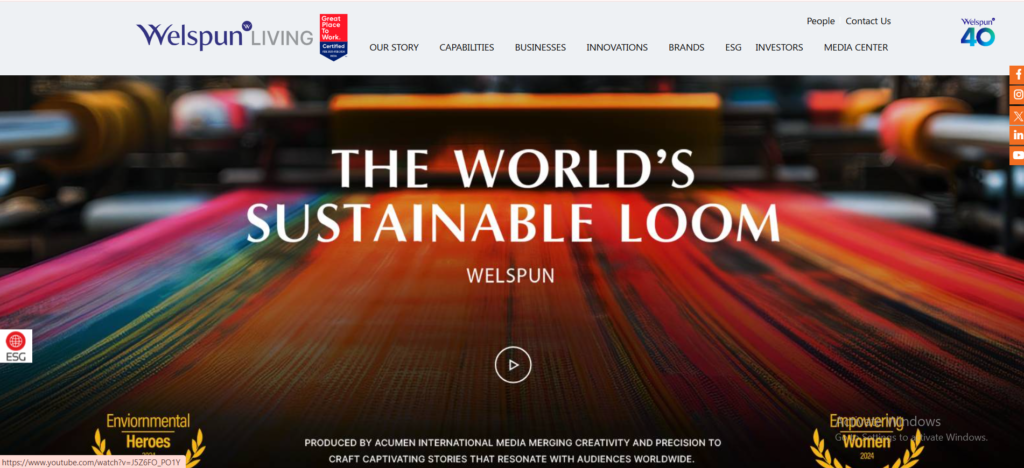
Image Courtesy: Welspun Living Limited Official Website
Welspun Living is a company that focuses heavily on things you use inside your house, which is called “home textiles”. If you use a soft towel or sleep on comfortable bedsheets, it might be made by Welspun.
• Founding Year: 1985
• Founders: B.K. Goenka
• Headquarters: Mumbai, Maharashtra
What Makes Them Special
Welspun sells its products to massive global supermarkets like Walmart and IKEA. They use very high tech systems. For example, they use special “DNA testing” on their cotton to prove exactly which farm the cotton came from. This ensures that the cotton is grown safely and fairly for the environment and farmers. They also make carpets and flooring materials now.
Raymond Limited
Image Courtesy: Raymond Limited Official Website
Raymond is a household name in India. For decades, it has been the most famous brand for premium men’s suits and high-quality formal clothing.
• Founding Year: 1925
• Founders: Wadia Woollen Mill (later acquired by the JK Group)
• Headquarters: Mumbai, Maharashtra
What Makes Them Special
Raymond is known for its famous slogan, “The Complete Man.” They own over 1,500 retail stores across the country. They make beautiful wool suits and formal shirts. When people in India get married or go to a major job interview, they very often buy a Raymond suit. Recently, they split their fashion business into a new branch called Raymond Lifestyle to focus purely on clothes and weddings.
Trident Limited
Image Courtesy: Trident Limited Official Website
Trident Limited started out as a small business but has grown into one of the largest home textile makers on Earth. Like Welspun, they focus a lot on towels and bed linen.
• Founding Year: 1990
• Founders: Rajinder Gupta
• Headquarters: Ludhiana, Punjab
What Makes Them Special
Trident has a massive factory campus that is one of the largest in the world. A very unique fact about Trident is that they do not just make textiles; they also make eco-friendly paper. Instead of cutting down trees to make paper, they use the leftover wheat straw from local farms. This makes them very popular with buyers who care about saving nature.
KPR Mill Limited
Image Courtesy: KPR Mill Limited Official Website
KPR Mill is a highly efficient company based in South India. They are expert makers of knitted garments, like t-shirts, sportswear, and innerwear.
• Founding Year: 1984
• Founders: K.P. Ramasamy and his brothers.
• Headquarters: Coimbatore, Tamil Nadu
What Makes Them Special
KPR Mill can make 128 million pieces of clothes every year. What makes them stand out is how they run their factories using clean energy. They own large wind farms and solar power panels that
provide 80% of all the electricity their factories need. They also have a unique side business where they make sugar and green fuel called ethanol.
Page Industries Limited
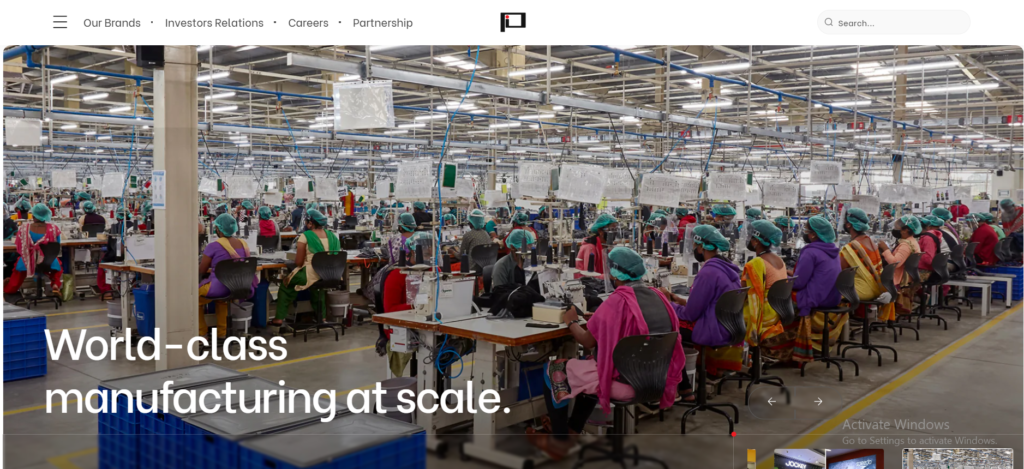
Image Courtesy: Page Industries Official Website
Page Industries is a company that almost every urban Indian buys from, even if they do not know the corporate name. They are the exclusive makers and sellers of the famous global brand Jockey in India.
• Founding Year: 1994
• Founders: The Genomal Family
• Headquarters: Bengaluru, Karnataka
What Makes Them Special
Page Industries does not try to make every kind of cloth. Instead, they completely dominate the premium innerwear, socks, and comfortable home clothes (athleisure) market. Because people love the Jockey brand for its comfort, Page Industries makes a massive amount of profit and has very loyal customers across thousands of stores in India.
Alok Industries Limited
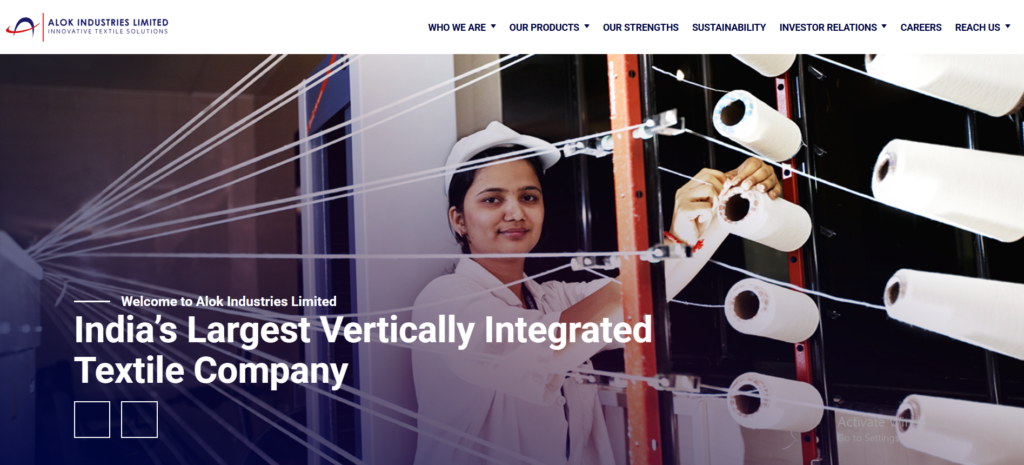
Image Courtesy: Alok Industries Official Website
Alok Industries is a massive, fully integrated textile company. “Fully integrated” means they do everything from scratch—processing raw polyester and cotton all the way to printing patterns on finished fabrics.
• Founding Year: 1986
• Founders: Ashok Jiwrajka, Dilip Jiwrajka, and Surendra Jiwrajka.
• Headquarters: Mumbai, Maharashtra
What Makes Them Special
Alok Industries has giant factories that can produce bulk amounts of clothes very quickly. A few years ago, the company faced financial trouble, but it was saved and acquired by Reliance Industries and JM Financial Asset Reconstruction Company. With this new powerful management, the company is rebuilding its place as a top supplier of low-cost, high-volume fabrics.
Vedant Fashions Limited

Image Courtesy: Vedant Fashions Limited Official Website
Vedant Fashions is a highly successful company that focuses on a specific niche: Indian traditional festive wear and wedding women clothing. Their flagship brand is Manyavar.
• Founding Year: 2002
• Founders: Ravi Modi
• Headquarters: Kolkata, West Bengal
What Makes Them Special
While other companies try to sell simple everyday clothes, Manyavar focused entirely on the huge Indian wedding culture. They make beautiful Sherwanis, Kurtas, and Lehengas for brides, grooms, and their families. They use a smart business model where they do not own the stores themselves;
instead, they give franchise licenses to local shop owners. This helps them make high profits with low risk.
Himatsingka Seide Limited
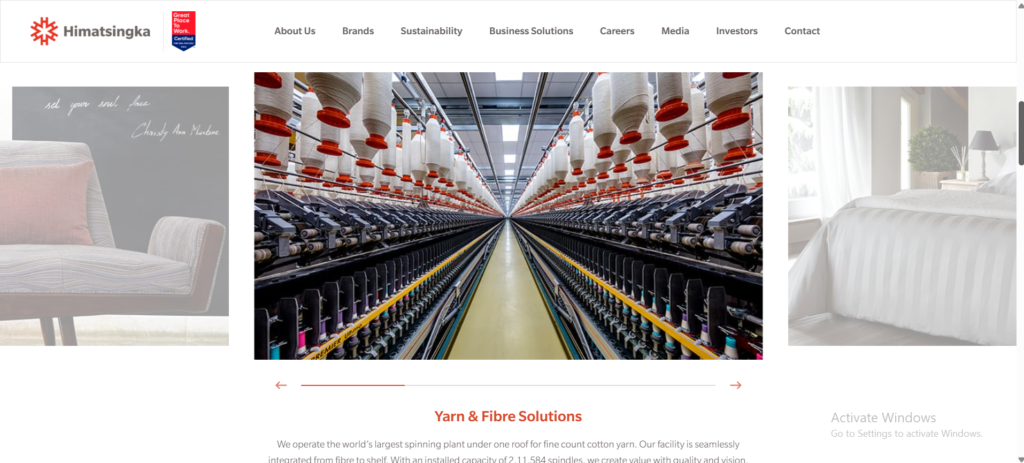
Image Courtesy: Himatsingka Seide Limited Official Website
Himatsingka Seide is a company that focuses on the high-end, luxury side of textiles. They are known for spinning fine silk and top-quality luxury linens used in expensive hotels and homes.
• Founding Year: 1985
• Founders: A.K. Himatsingka
• Headquarters: Bengaluru, Karnataka
What Makes Them Special
This company focuses heavily on sending goods to other rich countries, like the United States and European nations. They own global luxury brands and design very beautiful drapery, upholstery (sofa covers), and premium bedding sets. They have a fully automated, clean production line that handles luxury items with high precision.
Why is the Indian Textile Industry Growing So Fast?
To understand how these top 10 companies make so much money, it helps to understand why India is perfect for this business.
• Raw Materials are Everywhere: India is one of the largest producer of cotton in the world. This means companies like Vardhman, Arvind, and Trident do not need to spend money importing cotton from other countries; they can just buy it directly from local Indian farmers.
• Large and Young Workforce: Making clothes requires a lot of human hands to cut, stitch, check, and pack. India has a massive population of young people who are ready to work hard in these advanced factories, creating jobs and improving livelihoods.
• Government Schemes: The Indian Government supports the textile industry through initiatives such as the Production Linked Incentive (PLI) Scheme and the PM MITRA Mega Textile Parks, which encourage investment, expand manufacturing capacity, and boost exports. The government gives financial rewards to companies that build bigger factories and export more clothes to foreign countries. They are also setting up mega textile parks across the country so all processing steps can happen in one single area, saving time and transport costs.
Conclusion
The Indian textile industry is much more than just a regular business sector; it is a foundation of the country’s economic growth and cultural identity. From historic brands like Raymond and Arvind that have dressed generations of Indians to fast-growing modern leaders like Vedant Fashions and Page Industries, these top ten companies show the incredible diversity and strength of the market.
By upgrading their factories with automated machinery, focusing on eco-friendly green energy, and expanding to international markets, these companies are ensuring that India stays a dominant global player. As long as the global demand for high-quality fabrics and everyday clothes continues to grow, India’s top textile companies are perfectly set up to weave a highly prosperous and successful future.
Frequently Asked Questions (FAQs)
Which is the oldest textile company among the top ten?
A: Raymond Limited is the oldest, founded in the year 1925, followed closely by Arvind Limited which started in 1931.
Which Indian company is the largest maker of denim?
A: Arvind Limited is the largest denim manufacturer in India and ranks among the top denim suppliers globally.
What is meant by “home textiles”?
A: Home textiles are fabric products used specifically inside houses, such as towels, bedsheets, blankets, curtains, and rugs.
Why is Coimbatore called a major textile hub?
A: Coimbatore in Tamil Nadu has hundreds of traditional spinning mills, a great climate for cotton, and is often nicknamed the “Manchester of South India.”
Who owns the popular Indian wedding wear brand Manyavar?
A: Manyavar is the flagship brand owned by Vedant Fashions Limited, which was started by entrepreneur Ravi Modi.