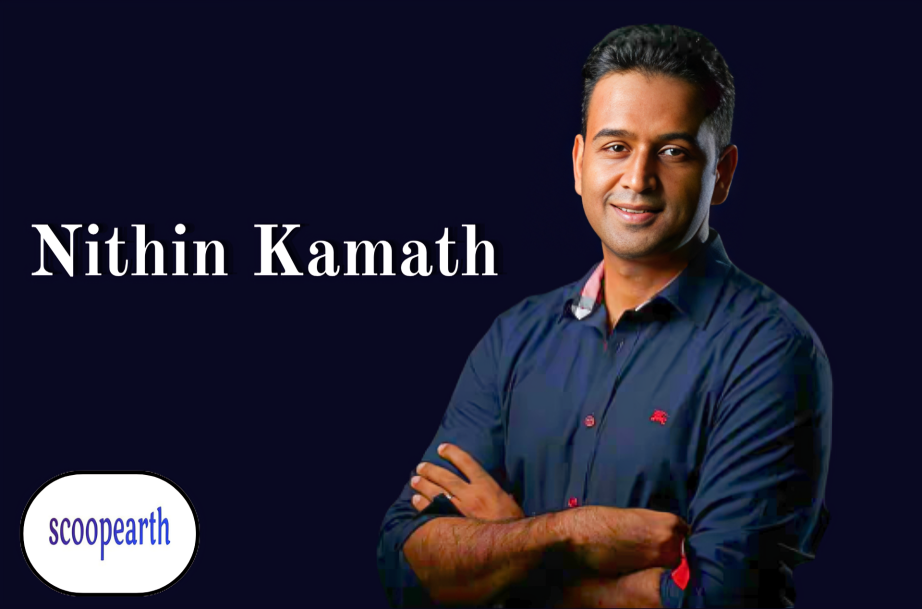
Rainmatter is the investment platform launched by Zerodha CEO Nithin Kamath. Rainmatter has made a breakthrough in its path and journey of assisting the entrepreneurial scene in India. The firm has gradually emerged as a force in terms of capital and mentorship since its launch in 2016, when it had already deployed over 1,500 crore in a broad array of over 160 startups.
This success highlights an obsessively patient method of investment that is completely contrary to the stressful atmosphere that is associated with conventional venture capital. The project started as a side project of the Zerodha team. It has now become an ecosystem-development platform that values sustainable development over quick exits.
Core philosophy
The initial goal of Rainmatter when it was started 9 years ago was rather limited: to assist startups that were in the process of development to grow and enhance the Indian capital markets infrastructure. The initiative was being run by Nithin Kamath and a small group of individuals on top of their full-time work at Zerodha.
The vision of Rainmatter grew as the Indian venture arena became mature. The investment thesis has now long outgrown fintech to encompass an extensive view of sectors, including climate tech, health tech, media, and deep tech.
The main philosophy that drives all of these investments today is built around the concept of national economic sovereignty. Simplified thread, according to Nithin Kamath, within the current strategy, is that India must possess more of what its people use. Their emphasis on the notion of sovereignty in the strictest sense informs their choice of startups, shifting the platform away to focus on niche capital markets and toward the larger notion of creating a self-reliant and sustainable domestic economy.
Financial structure and perennial investor
Rainmatter’s financial structure is closely intertwined with Zerodha’s success, showing a long-term attitude towards value generation instead of the management of external funds. Nithin Kamath has announced that the company works through a coherent capital allocation framework, where 10% of everything that Zerodha generates is directly invested into Rainmatter through startups.
This will provide a steady and predictable flow of capital that does not rely on the cyclical nature of external funding. In addition to this 10% allocation for startups, another 10% of Zerodha’s earnings is dedicated to the social sector through the Rainmatter Foundation.
According to this dual-allocation model, there is a focus on a holistic view of impact, with business success in the financial segment being a direct cause of innovative business projects and undertakings, as well as social endeavours. Rainmatter is in complete control of its investment timelines and priorities by using its own profits to finance them.
Among the most distinguishing traits of Rainmatter is its unwillingness to act as a classic venture capital company. Rainmatter identifies itself as a perennial investor in an industry where investors are frequently criticized for encouraging founders to pursue aggressive growth and early exits.
The company does not seek to take board seats on purpose and does not coerce founders to make short-term decisions at the expense of financial gains. This is based on the belief that creating a truly useful, scalable, and profitable business is a naturally hard task that is impossible to speedrun.
As Nithin Kamath has observed, the pressure of the investors to succeed quickly, tends to cause shortcuts which ultimately end up being at the cost of the consumer. Rainmatter strives to support founders to build businesses the right way by being patient and investing in them long-term. This philosophy is also evident in their wide range of portfolio, with 44 climate tech funded companies, 41 startups in the health and fitness sector, and 37 fintech startups, among others, in the media and new emerging areas such as spacetech.
Conclusion
The rise of Rainmatter as a ₹1,500 crore investment platform after starting as a fintech-driven side project is a distinct success story in the Indian startup landscape. Nithin Kamath has helped founders by promoting patience and economic independence to build sustainable value instead of dealing with a five-year exit pressure on investors.
The impact of Rainmatter will likely be experienced in the performance of individual startups, but also in the stabilization of a more autonomous Indian economy. The initiative has been a monument to the strength of balancing corporate gains with long-term national and social objectives.