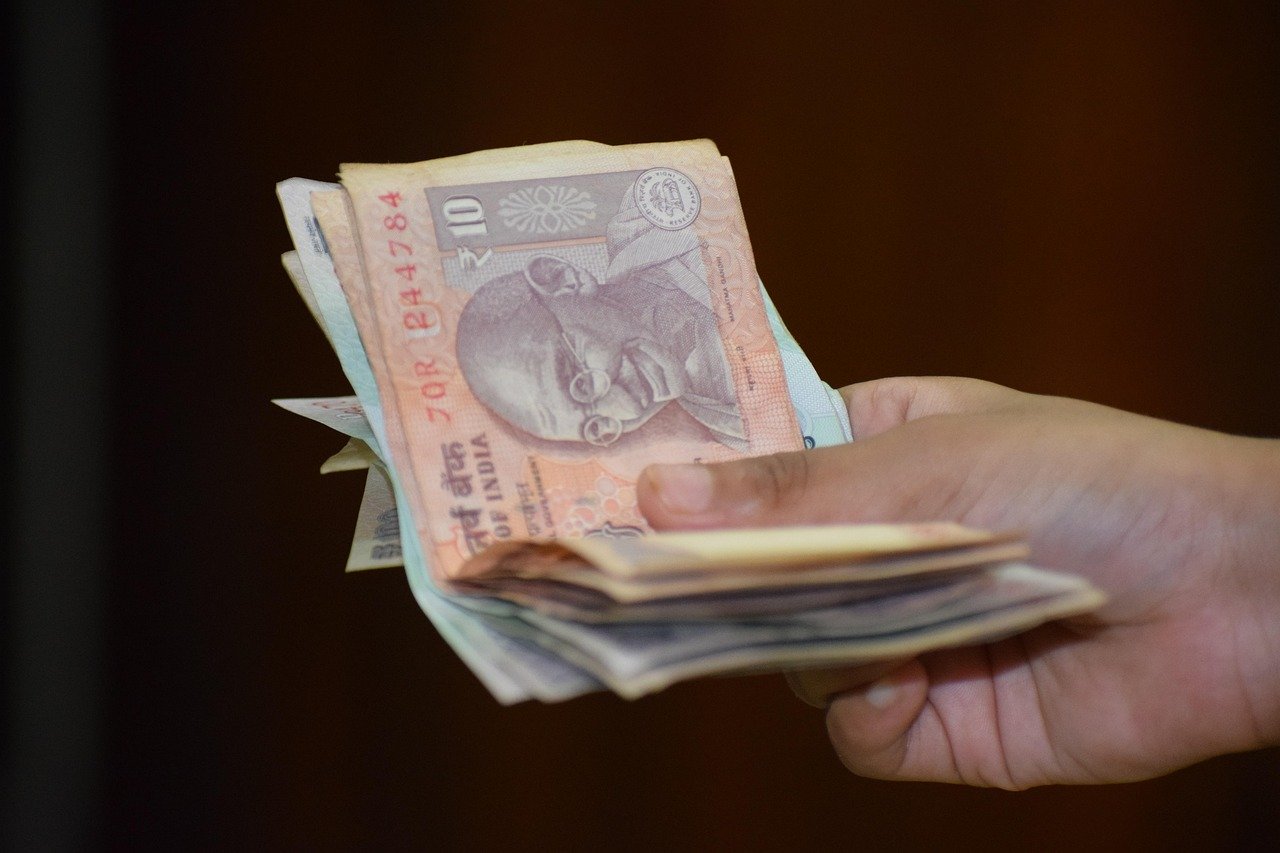
The Indian rupee got a new wave of depreciation in the early trade as the currency dropped to a new low against the US dollar. The domestic currency was losing by 9 paise, and this was a general depreciation that put the currency at 90.58 against the greenback. The two key factors that largely contributed to this market movement were the sustained uncertainty surrounding the future of the India-US trade deal and constant capital outflow by foreign institutional investors (FIIs). The depreciation is indicative of a negative mood among forex traders, most of whom had taken a wait and watch attitude as they awaited clear signals on the front that the crucial trade talks were being made.
Depreciation on the Monday market
The rupee trading at the interbank foreign exchange market has started in a defensive manner. The rupee was at an initial value of 90.53 to the US dollar. But the market pressure built up quickly, and the currency began to decline further and later hit an all-time low of 90.58 against the dollar on an intraday basis. This last fall was a 9 paisa loss over the previous close of the rupee, and secured the new record low.
This depreciation on Monday was after a difficult session on the previous Friday, where the rupee had already registered a big slide. Friday saw the currency lose 17 paise and ended the week at what was then an all-time low of 90.49 to the American currency. Such a trend of steady deterioration underscored how the domestic currency was vulnerable to external economic and geopolitical indicators, that is, the current uncertainty surrounding the bilateral trade talks between India and the United States. According to forex traders, this negative bias was the trend that the rupee was based on, and it was an indicator of investor skepticism as well as a lack of willingness to place significant directional bets until the trade deal became clear.
Rupee performance and global indicators
Market analysts were able to pinpoint the main headwinds affecting the performance of the rupee, namely the trade deal impasse and the conduct of the foreign investors. The absence of real gains or completion of the trade agreement between India and the US continued to create volatility and uncertainty in the forex market. These geopolitical aspects tend to affect investor confidence, and this results in timid trading and adverse effects on the emerging market currencies, such as the rupee. The postponement in the closing of the deal indicates the absence of any immediate positive catalysts that can increase investor confidence and inflow of foreign investors, thus adding to the negative bias prevalent among forex traders.
The already existing trend of the Foreign Institutional Investors (FIIs) pulling out of the domestic markets led to further pressure on the rupee. As per the available exchange information, the FIIs were selling heavily on the previous Friday, peddling equities worth ₹1,114.22 crore.
This outflow trend in foreign capital exerts direct negative pressure on the rupee since the investors are selling the local currency to buy dollars, which is used to repatriate investments. Head of Treasury and Executive Director of Finrex Treasury Advisors LLP, Anil Kumar Bhansali, remarked on the situation, indicating that FPIs (Foreign Portfolio Investors, including FIIs) remained in a selling mode both in the equity and debt sectors. He also reported that the Reserve Bank of India (RBI) had been purchasing dollars to finance the long positions of the FPIs, which would have shown intervention to prevent the fall of the rupee.
The poor performance of the rupee was set in the context of negative trends in the domestic equity market, which strengthens the general feeling of caution among investors. At the start of Monday trade, both the Indian benchmark indices showed losses. The Sensex 30-share benchmark index was at 298.86 points lower or at 84,968.80, and the larger Nifty was one point lower at 25,925.55. This generalized selling in the equity market showed a lack of investor confidence, which resembled the frailty in the currency market.
The dollar index, which is used to determine the performance of the US dollar against six major international currencies, was slightly down, with a slight fall of 0.05 percent at 98.35. Although this fractional weakening of the dollar affected the world economy, the India-specific factors, that is, the uncertainty over trade deals and the FII outflows, became dominant in influencing the movement of the rupee.
World oil standard, Brent crude, was trading at a higher level with an improvement of 0.52 percent at USD 61.44 per barrel in the futures trade. Increased oil prices in the world market are another headwind to the rupee because India is a key importer of crude oil. The increase in oil prices raises the demand for dollars for imports, which also puts more pressure on the value of the rupee and adds to the overall negative pressure.
Conclusion
The Indian currency has dropped to a new all-time low of 90.58 against the US dollar in early Monday trade, indicating the high sensitivity of the Indian currency to both external policy input and capital flow dynamics. The combination of the remaining suspense surrounding the India-US trade deal and the persistent selling pressure by foreign institutional investors caused the currency to continue depreciating, with the currency hitting the 9-paise downward mark. As FPIs continue to divest and withdraw from the equity and debt markets and the Brent crude price continues to move in an upward trend, the future of the Indian currency would be characterized by possible further pain as market participants await decisive developments at the trade front and a reversal of the foreign investment flows.